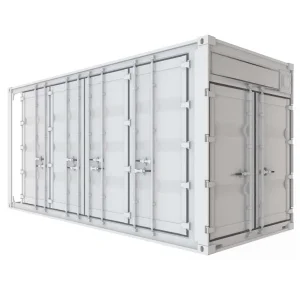
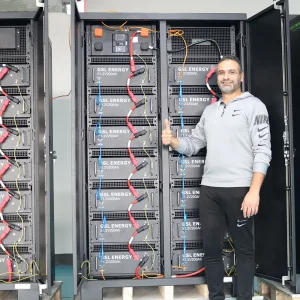
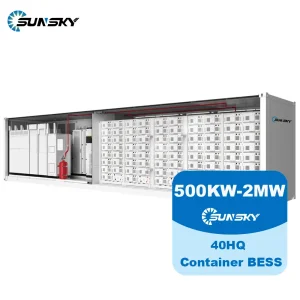
Engineered for direct integration into commercial, industrial, and substation operations across the United States. Featuring high-efficiency LFP chemistry and advanced localized safety controls.
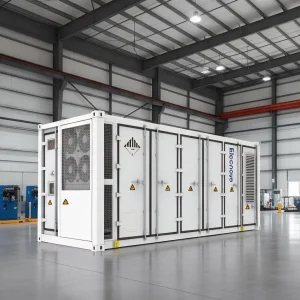
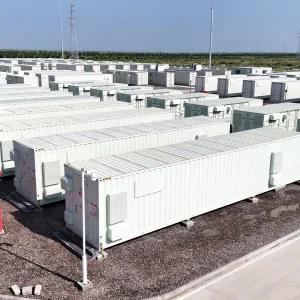
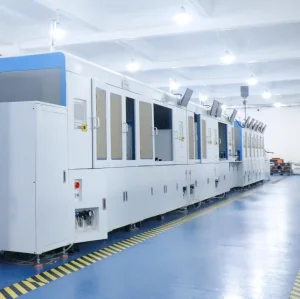
The United States energy landscape is undergoing an unprecedented structural transition. Propelled by the Inflation Reduction Act (IRA), federal tax credits (ITC), and state-level clean energy standards (such as California's CPUC mandates and New York's CLCPA), the demand for high-capacity, containerized battery energy storage systems (BESS) has surged exponentially. Industrial facilities, utility developers, and independent power producers (IPPs) are actively deploying modular BESS to manage rising demand charges and grid volatility.
In key regional transmission organizations (RTOs) such as ERCOT (Texas), CAISO (California), and PJM (Mid-Atlantic), energy storage systems are vital for frequency regulation, grid stabilization, and peak-load shifting. Our containerized systems provide an optimized capital expenditure path, ensuring that commercial entities can shield their operations from grid outages while capitalizing on demand response programs.
Drastically lower utility bills in high-tariff states by discharging during peak demand hours, smoothing out commercial load profiles.
Ensure seamless operational continuity for data centers, hospitals, and heavy industrial facilities during utility blackouts.
Understanding thermal mechanics is critical for calculating the Levelized Cost of Storage (LCOS). Below is a direct comparison highlighting why liquid-cooled architectures are becoming the benchmark for US operators.
| Performance Dimension | Advanced Liquid Cooling (5MWh System) | Standard Air Cooling (2.5MWh System) | US Grid Operational Benefit |
|---|---|---|---|
| Thermal Deviation | < 2.5°C across all battery cells | < 5.0°C across the cabinet | Improves battery lifespan by up to 22% in hot climates (TX, AZ). |
| Energy Density | High density (up to 5MWh in a 20ft container) | Moderate density (typically 2.5MWh in 20ft) | Reduces structural footprint, permitting, and real estate costs. |
| Auxiliary Energy Loss | Minimized through variable-speed pump loops | High energy consumed by multiple HVAC fan units | Saves thousands of dollars annually in operational parasitic loads. |
| RTE (Round Trip Efficiency) | 89% - 91% | 84% - 87% | Maximizes arbitrage profits during peak market hours. |
Liquid cooling prevents localized hot spots, minimizing battery degradation and ensuring safety compliance across cells.
Standardized on highly stable Lithium Iron Phosphate (LiFePO4) chemistry, offering over 8,000 charge/discharge cycles.
High round-trip efficiency ensures fast returns during energy arbitrage and dynamic demand management.
Exporting containerized energy storage units to the US market requires deep engineering adherence to rigorous safety codes. Our team coordinates manufacturing parameters to meet regional regulations:
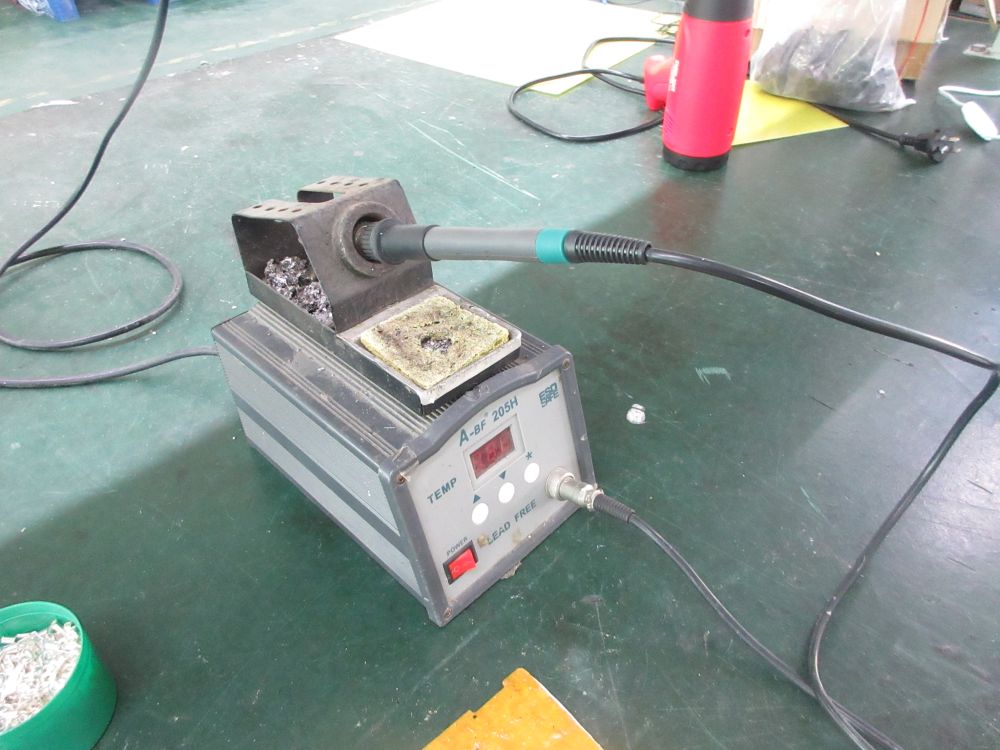
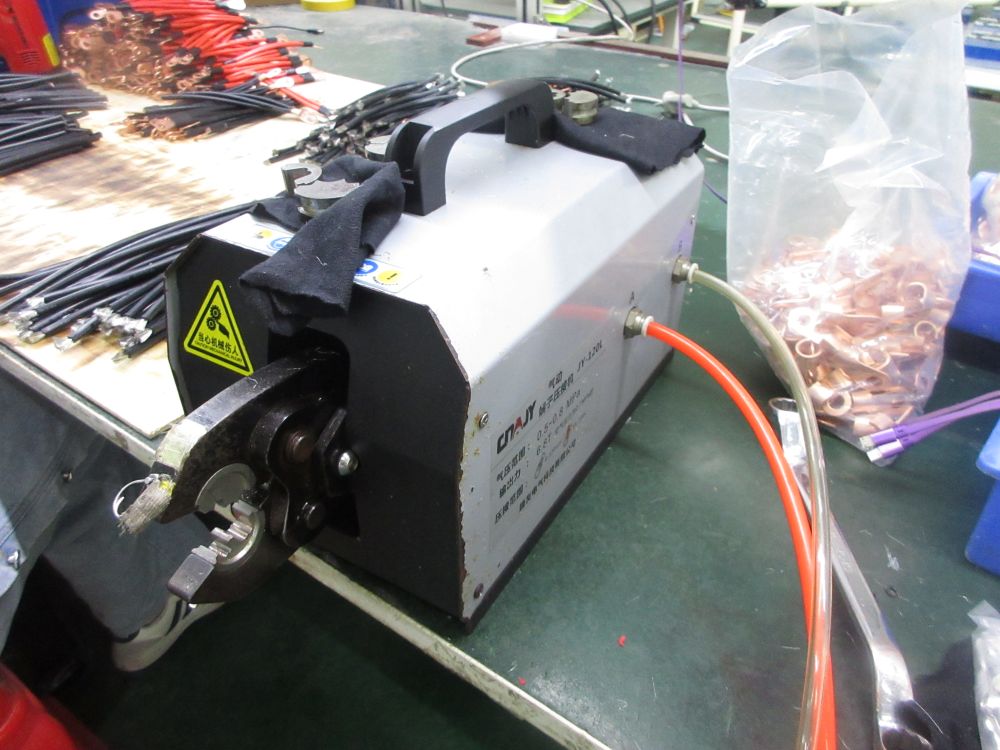
Our quality management system controls every production phase. From precision cell terminal processing to module structural welding and load bank testing, we ensure long-term system reliability.
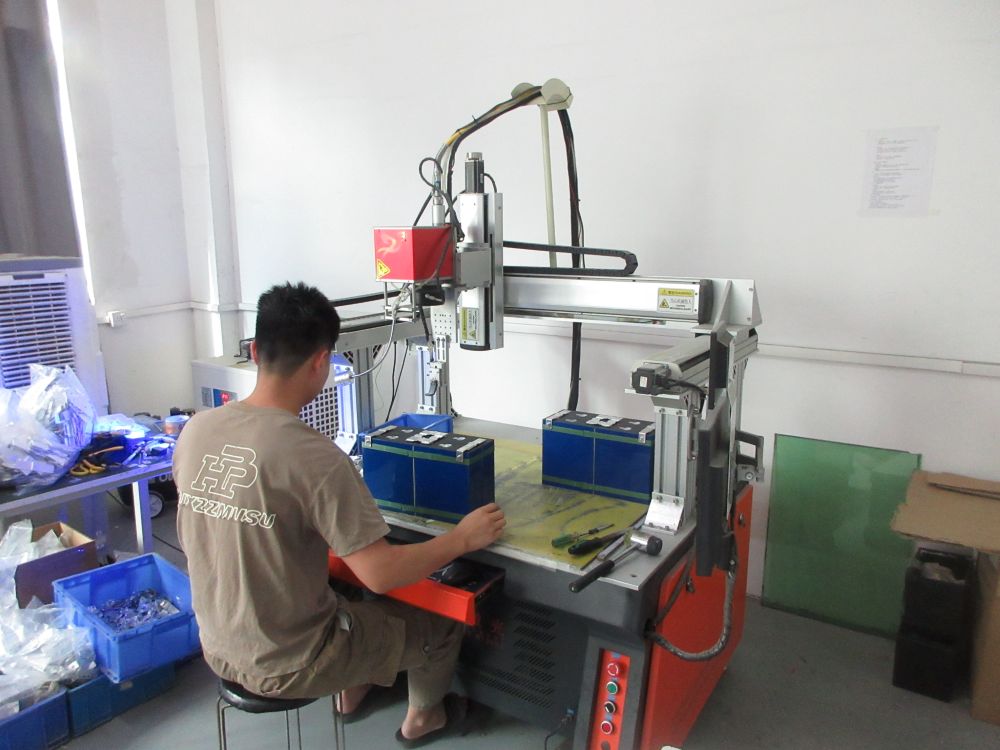

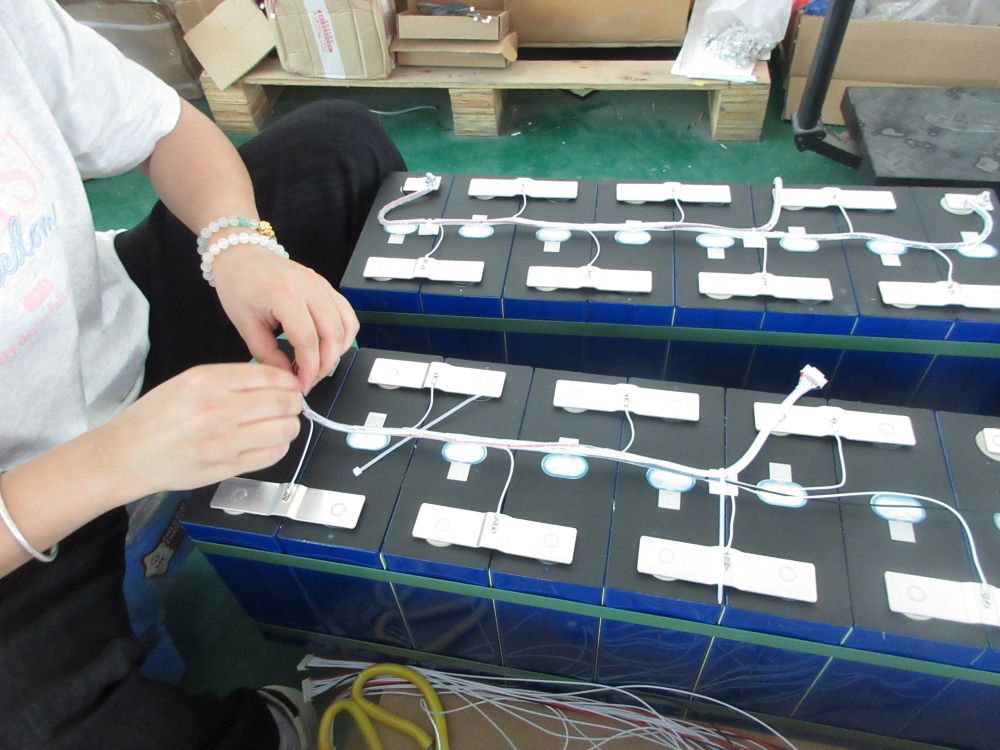
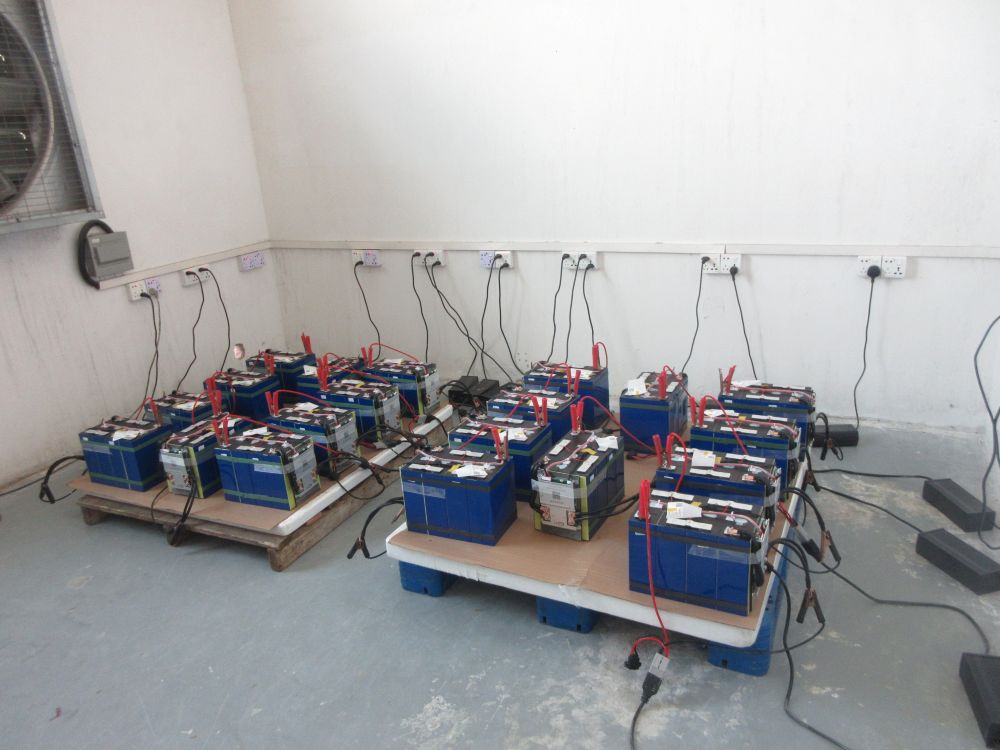
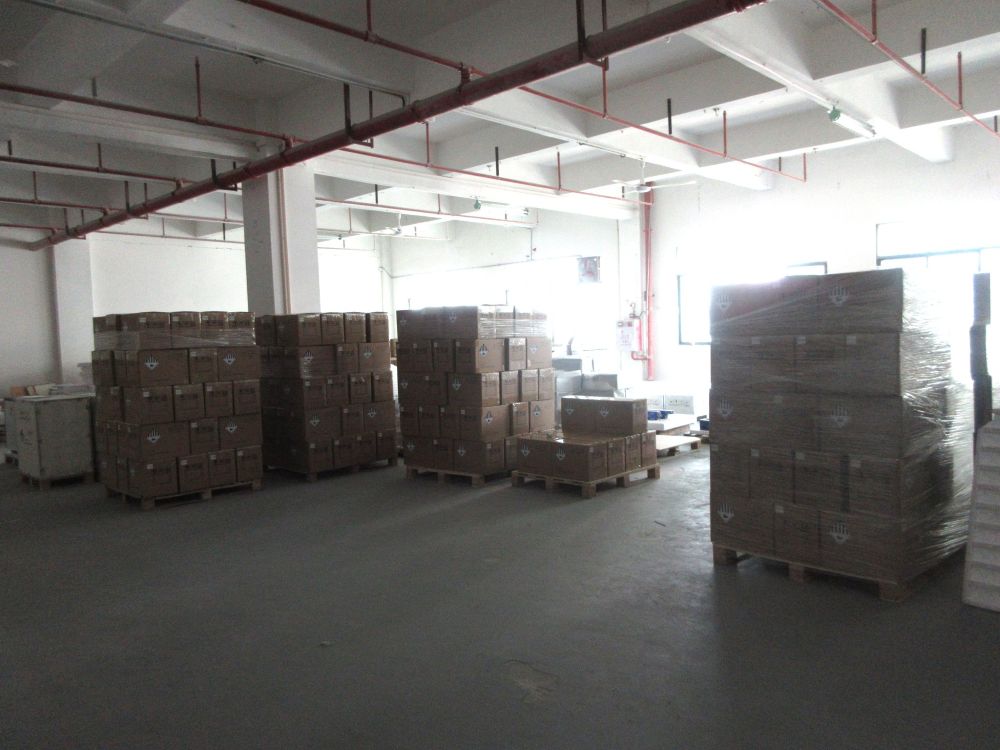
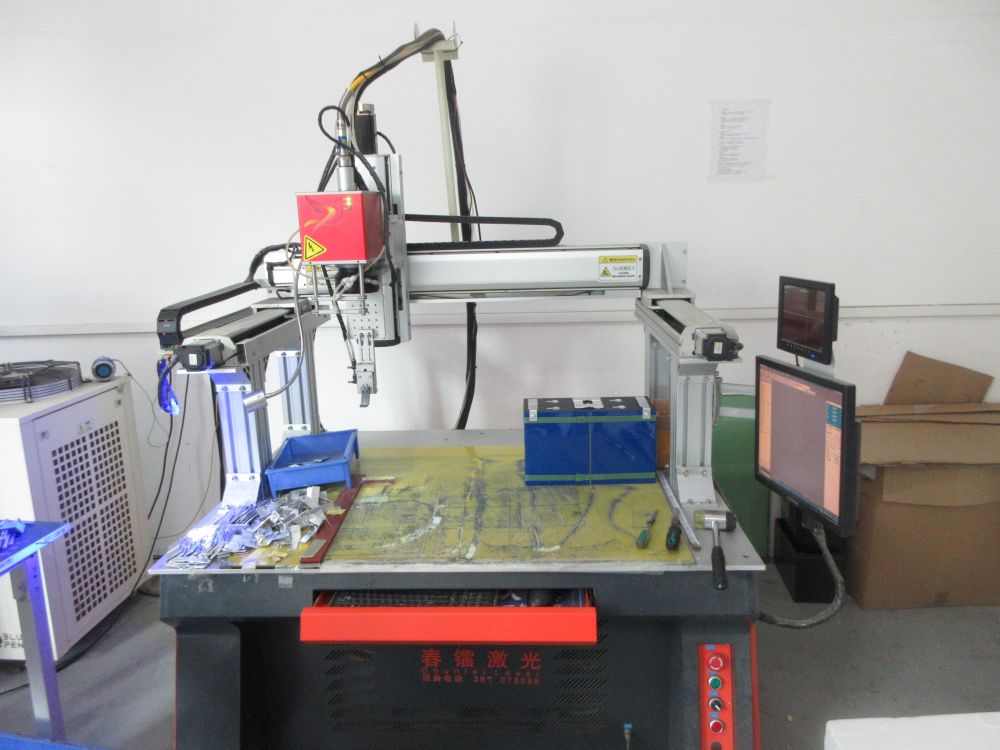
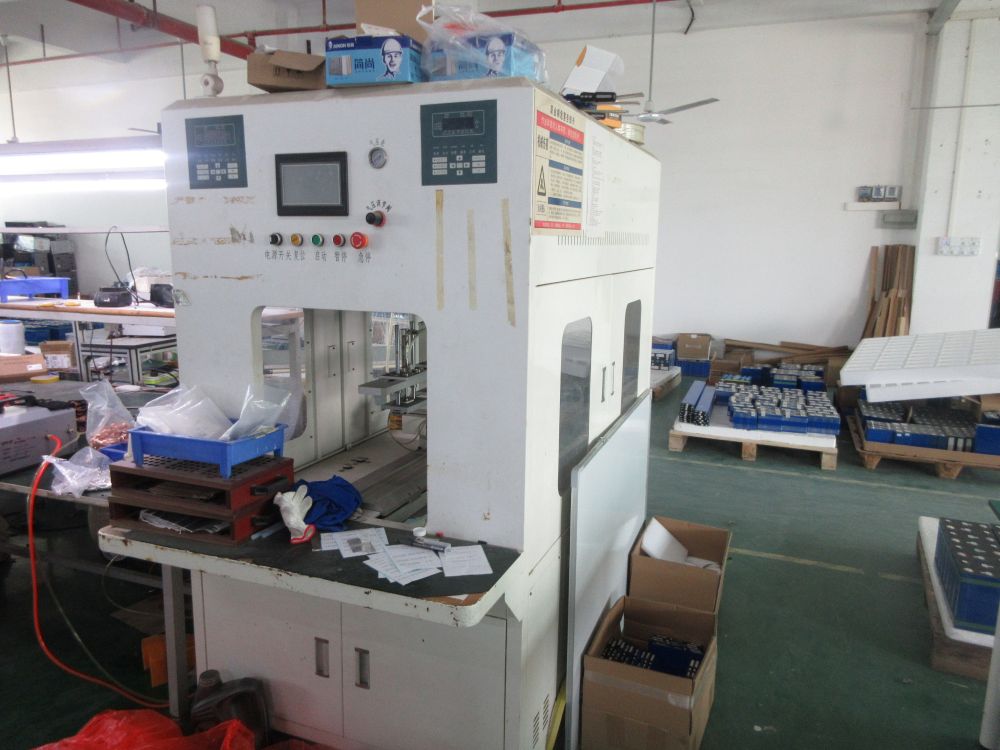
Guangdong Hudd Energy Co., Ltd. is a professional provider of renewable energy products, energy storage solutions, and integrated smart energy systems. The company specializes in the development, supply, and integration of advanced energy storage systems (ESS), solar power solutions, EV charging infrastructure, and integrated solar-storage-charging stations, delivering efficient, reliable, and sustainable energy solutions to customers worldwide.
Beyond supplying individual products, Hudd Energy offers comprehensive system integration services tailored to diverse project requirements. Leveraging extensive industry expertise, the company provides end-to-end support covering solution design, equipment selection, system integration, project management, commissioning, and after-sales services. This enables customers to implement optimized energy solutions with enhanced efficiency, performance, and long-term reliability.
With strong partnerships across China's manufacturing ecosystem, Hudd Energy benefits from a robust and competitive supply chain, ensuring high-quality products, stable delivery schedules, and cost-effective solutions. The company also maintains strategic cooperation with financial institutions and banking partners, providing flexible trade finance support and secure transaction services to facilitate the successful execution of international projects.
Hudd Energy's product portfolio serves a wide range of applications, including residential, commercial, industrial, utility-scale energy storage projects, electric vehicle charging networks, and distributed renewable energy systems. The company is committed to helping customers reduce energy costs, improve energy independence, and achieve their sustainability goals.
Over the years, Guangdong Hudd Energy has successfully expanded its presence in international markets, particularly in Southeast Asia, South America, the Middle East, and Africa, and is rapidly scaling up containerized BESS options for utility-scale developers and EPCs across the United States.
Contact our technical sales team for personalized submittal packages, single-line diagrams (SLD), and system pricing matching US interconnection standards.
Send Inquiry NowOur full range of factory-integrated systems supports various voltage ranges, grid-tie interfaces, and off-grid operational requirements.
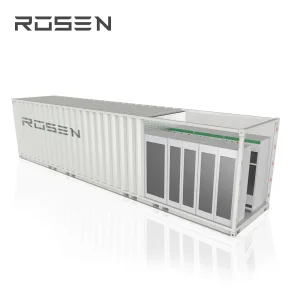
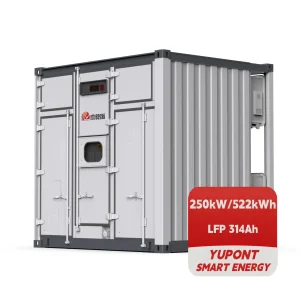
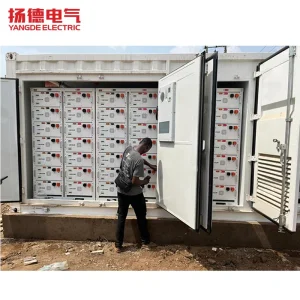
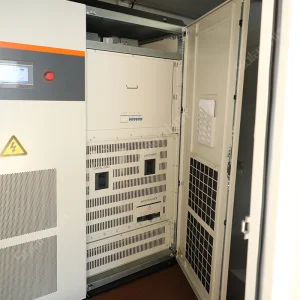
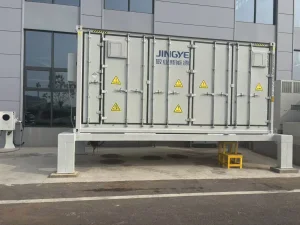
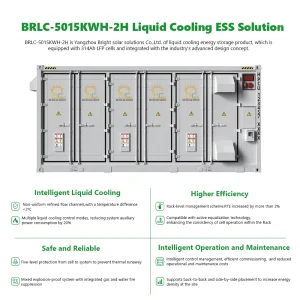
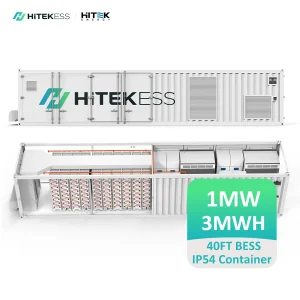
Configured with integrated HVAC, active safety aerosol fire suppression, and liquid glycol cooling setups to ensure operational resilience in high-temperature zones.
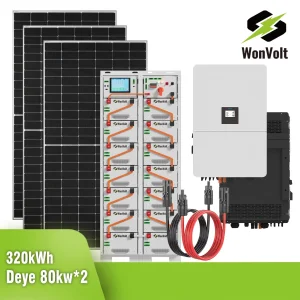
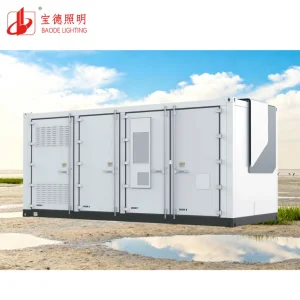
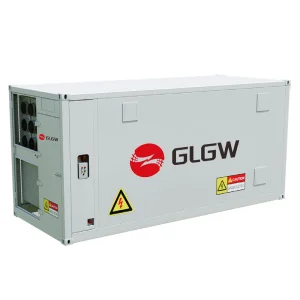
Key commercial, technical, and regulatory questions answered by our engineering and logistics specialists.
 Hudd Energy