Premium solar hybrid systems matching standard residential, micro-grid, and commercial specifications.
Analyzing key structural trends, energy policy shifts, and the critical role of advanced multi-mode hybrid conversion technologies.
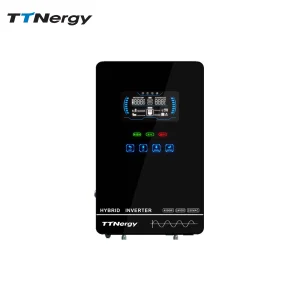
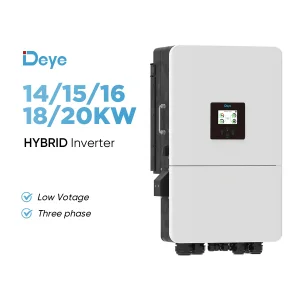
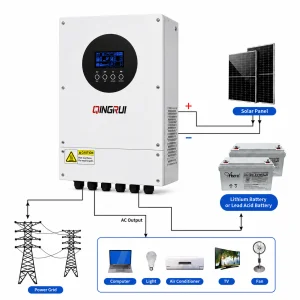
The global transition to dynamic energy structures demands a fundamental change in conversion hardware. Conventional grid-tied solar systems fall short when grids destabilize or when grid-operator tariffs penalize feed-in power. By acting as the central intelligence hub of a modern power network, Hybrid Solar Inverters synchronize multi-source inputs—integrating photovoltaic arrays, high-voltage battery storage banks, grid power, and auxiliary diesel generators—into a single managed stream.
Our industrial and residential hybrid systems utilize digital signal processors (DSPs) to balance peak-shaving needs, dynamic self-consumption rules, and zero-export control modes. This capability ensures that commercial assets remain operational through grid blackouts while avoiding utility demand charges, dramatically shortening the payback period (ROI) of commercial PV and Energy Storage Systems (ESS).
Bridging the gap between standard off-the-shelf inverter specifications and the practical challenges of regional electrical grids.
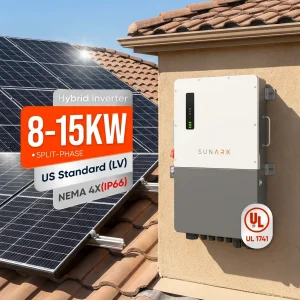
Residential and light commercial structures in North America demand split-phase output configurations. Inverters designed for these regions must comply with UL 1741 SB and IEEE 1547.1 grid connection regulations. Built-in smart control systems support rapid shutdown devices (RSD) to comply with National Electrical Code (NEC) fire safety standards, safeguarding both technicians and property investments.
European grid frameworks require rigid three-phase grid-forming capabilities (400V AC). Systems must handle dynamic grid stabilization algorithms, droop control, and feed-in management. Higher-voltage DC battery bus systems (up to 800V DC) are standard here, reducing system current draw, decreasing cable sizing requirements, minimizing thermal losses, and increasing round-trip system efficiency.
For remote areas and regions with weak grid networks, our hybrid systems leverage diesel generator dry contact integration. The inverter acts as an automatic transfer switch (ATS), monitoring line voltage and grid frequency. If the grid fails and battery reserves drop, the inverter initiates generator auto-start protocols. Once grid stability is restored, the unit safely shuts down auxiliary power sources to minimize operational expenditure.
Why manufacturing leadership in Guangdong translates to global cost efficiency, reliable lead times, and engineering excellence.
Guangdong represents the heart of the global solar hardware ecosystem. By concentrating upstream and downstream suppliers—including power semiconductor packaging (IGBT and SiC modules), raw copper winding, magnetic core production, custom sheet metal stamping, and specialized PCB printing—within a 100-kilometer radius, manufacturing times are compressed by up to 40% compared to other regions.
This ecosystem allows for rapid iteration of prototypes, seamless parts sourcing, and strict quality control processes. Every manufacturing step, from raw material inspection to automated optical inspection (AOI) on the surface mount technology (SMT) lines, is optimized to reduce failures and guarantee reliable performance in harsh environments.
Exploring power semiconductor innovations, artificial intelligence integration, and the transition toward vehicle-to-grid (V2G) systems.
Silicon Carbide (SiC) and Gallium Nitride (GaN) switching components replace traditional silicon MOSFETs. This shift increases switching frequencies, decreases magnetic component sizes, reduces heat dissipation, and raises round-trip conversion efficiencies above 98.5%.
Next-generation Energy Management Systems (EMS) utilize localized machine learning to forecast solar generation (via weather API feeds) and household consumption patterns. Inverters dynamically shift charging times to maximize peak/valley utility price spreads.
Universal communication protocol standards are transforming electric vehicles from simple energy sinks into mobile battery storage systems. Hybrid systems are shifting to incorporate vehicle-to-grid (V2G) interfaces, helping homes leverage EV batteries during peak demand.
Ensuring compliance with localized utility rules and securing the necessary certificates to guarantee hassle-free grid connections.
Because electrical requirements vary by market, our global distribution systems match international certifications. Before shipment, products undergo rigorous testing and certification processes to ensure seamless integration:
Professional provider of renewable energy products, energy storage solutions, and integrated smart energy systems.
Guangdong Hudd Energy Co., Ltd. is a professional provider of renewable energy products, energy storage solutions, and integrated smart energy systems. The company specializes in the development, supply, and integration of advanced energy storage systems (ESS), solar power solutions, EV charging infrastructure, and integrated solar-storage-charging stations, delivering efficient, reliable, and sustainable energy solutions to customers worldwide.
Beyond supplying individual products, Hudd Energy offers comprehensive system integration services tailored to diverse project requirements. Leveraging extensive industry expertise, the company provides end-to-end support covering solution design, equipment selection, system integration, project management, commissioning, and after-sales services. This enables customers to implement optimized energy solutions with enhanced efficiency, performance, and long-term reliability.
With strong partnerships across China's manufacturing ecosystem, Hudd Energy benefits from a robust and competitive supply chain, ensuring high-quality products, stable delivery schedules, and cost-effective solutions. The company also maintains strategic cooperation with financial institutions and banking partners, providing flexible trade finance support and secure transaction services to facilitate the successful execution of international projects.
Hudd Energy's product portfolio serves a wide range of applications, including residential, commercial, utility-scale energy storage projects, electric vehicle charging networks, and distributed renewable energy systems. The company is committed to helping customers reduce energy costs, improve energy independence, and achieve their sustainability goals.
Over the years, Guangdong Hudd Energy has successfully expanded its presence in international markets, particularly in Southeast Asia, South America, the Middle East, and Africa, earning the trust and recognition of clients through reliable products, professional services, and long-term partnerships.
Looking ahead, Guangdong Hudd Energy Co., Ltd. will continue to drive innovation in clean energy technologies, strengthen its global market presence, and contribute to the worldwide transition toward a greener, smarter, and more sustainable energy future.
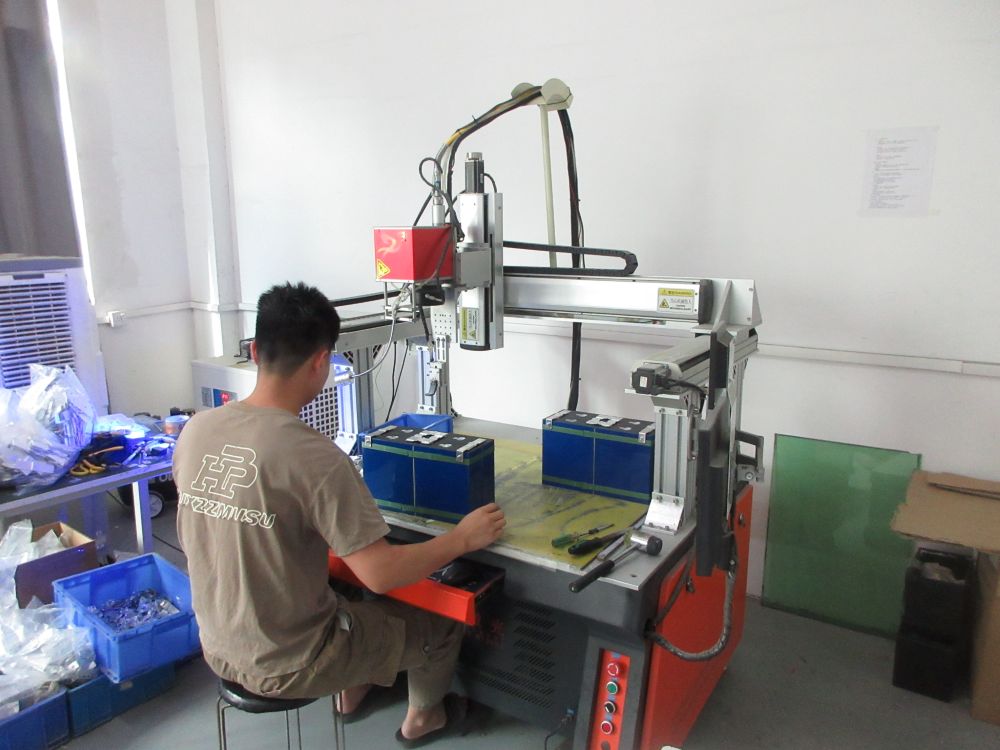
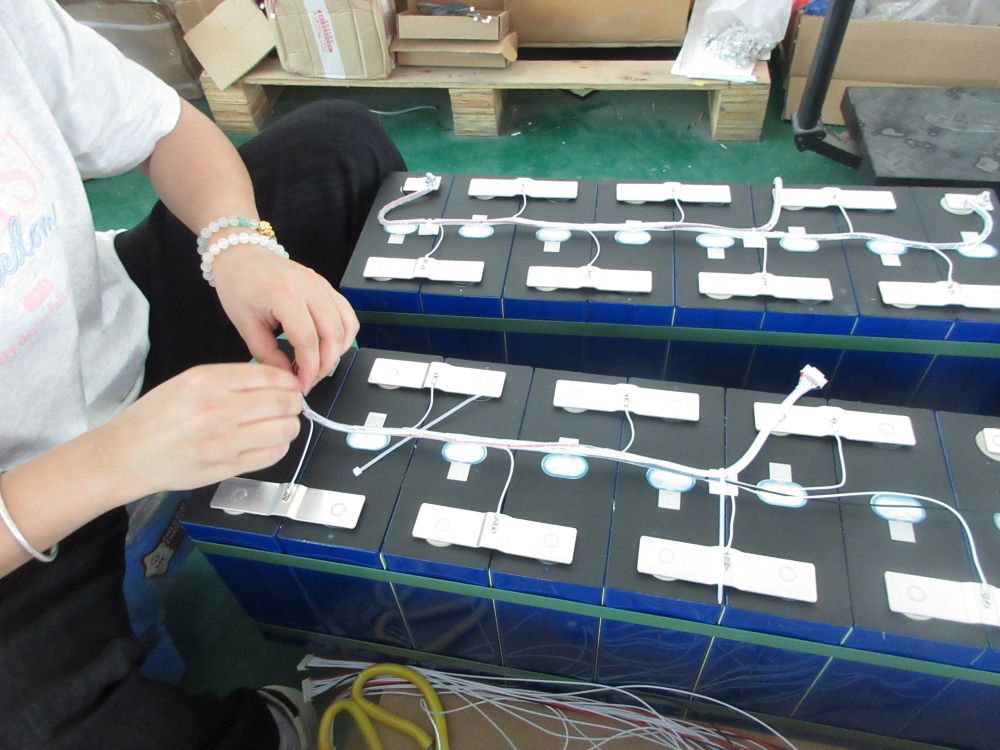
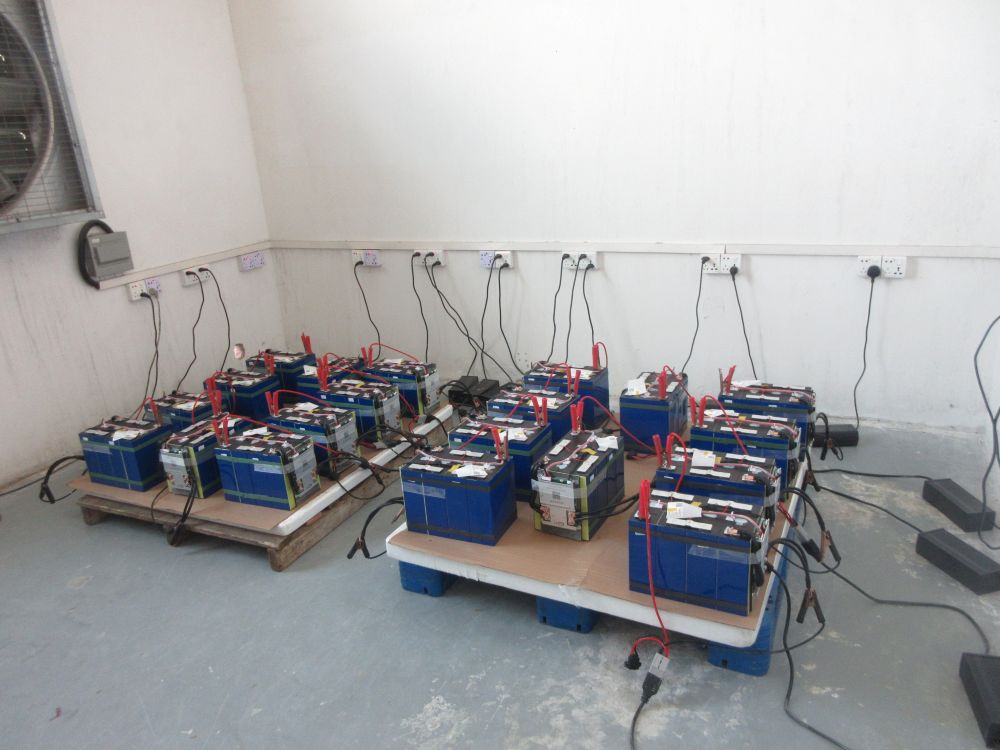
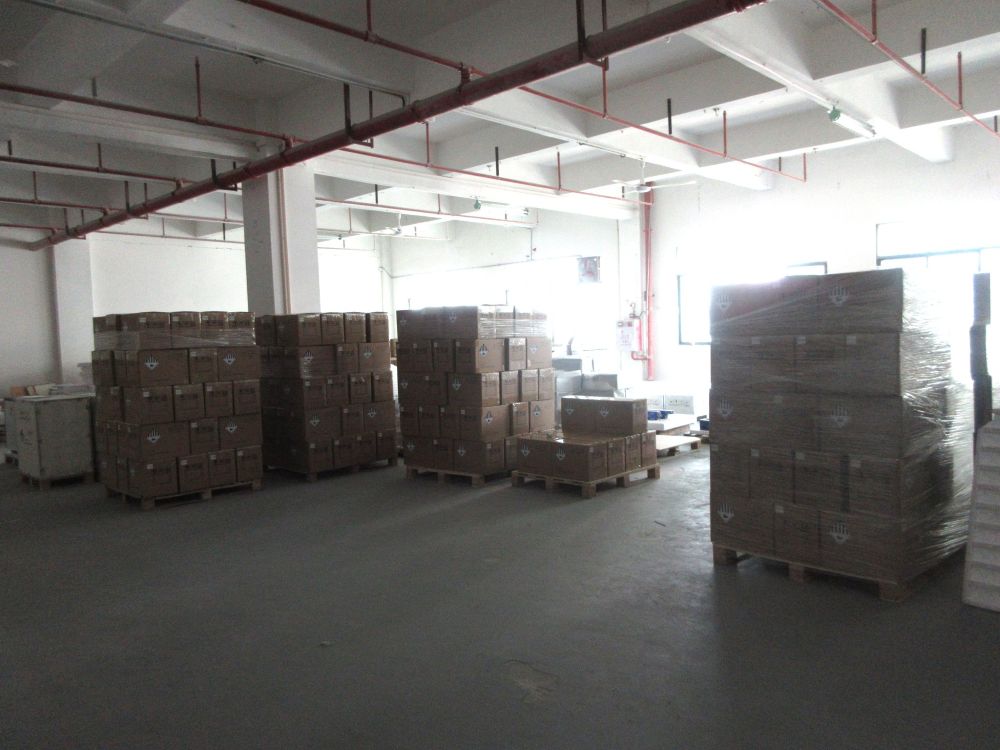
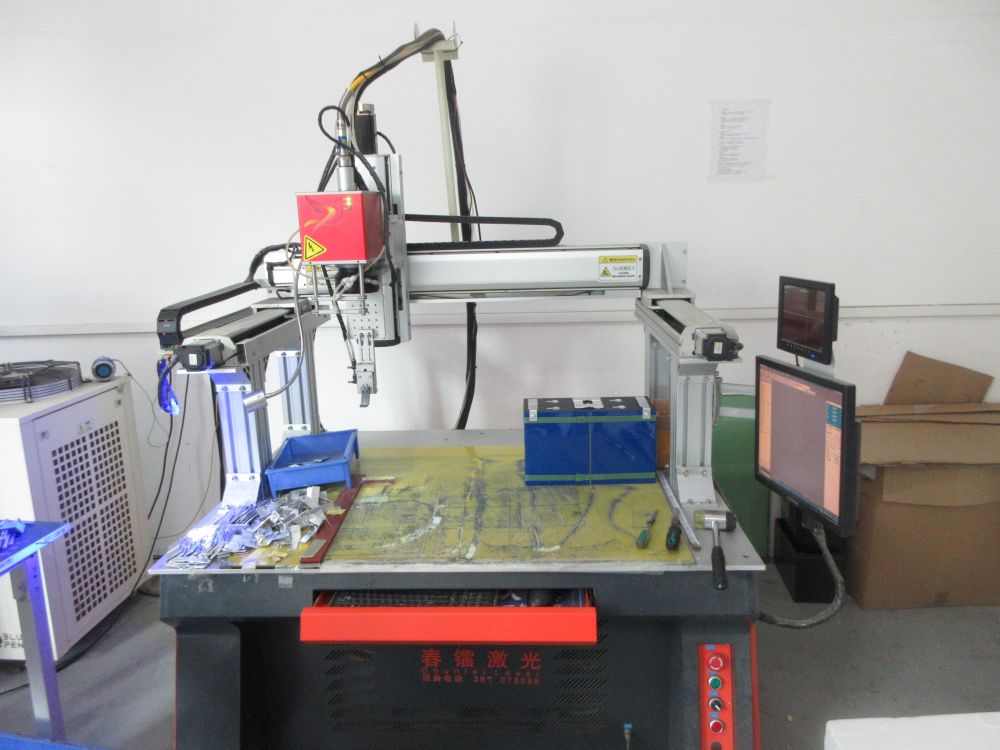
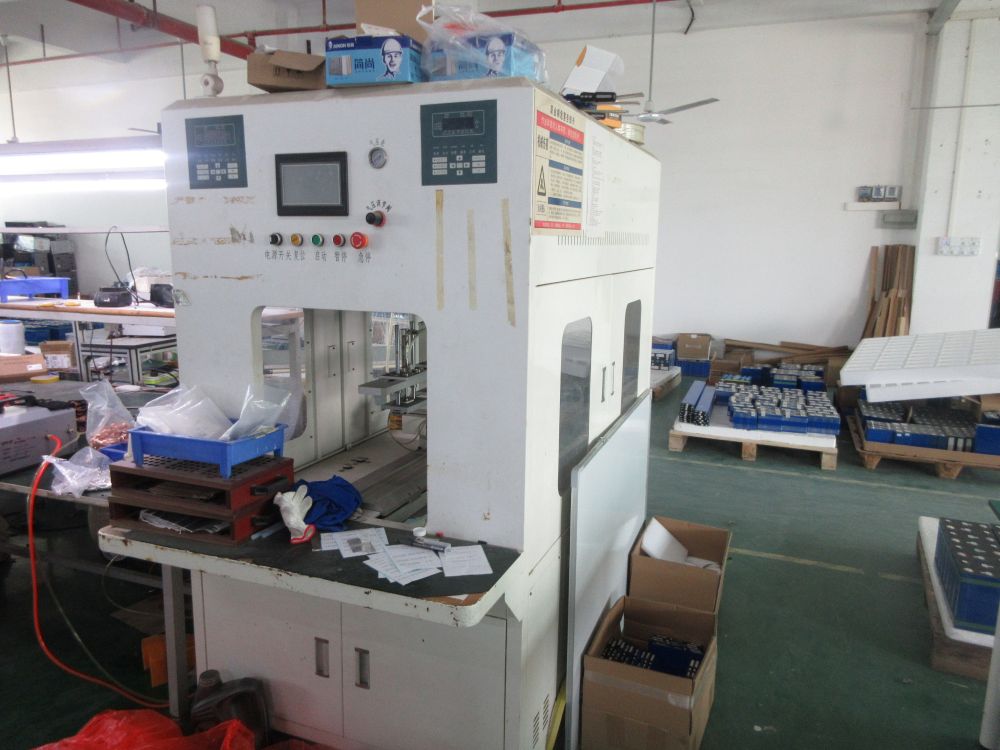
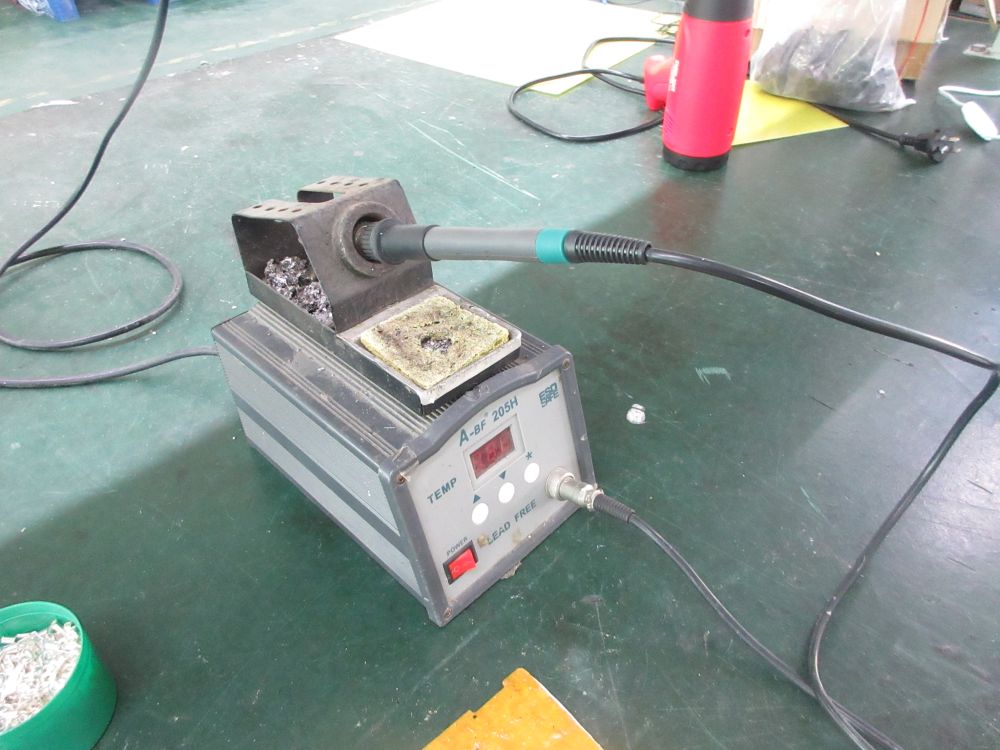
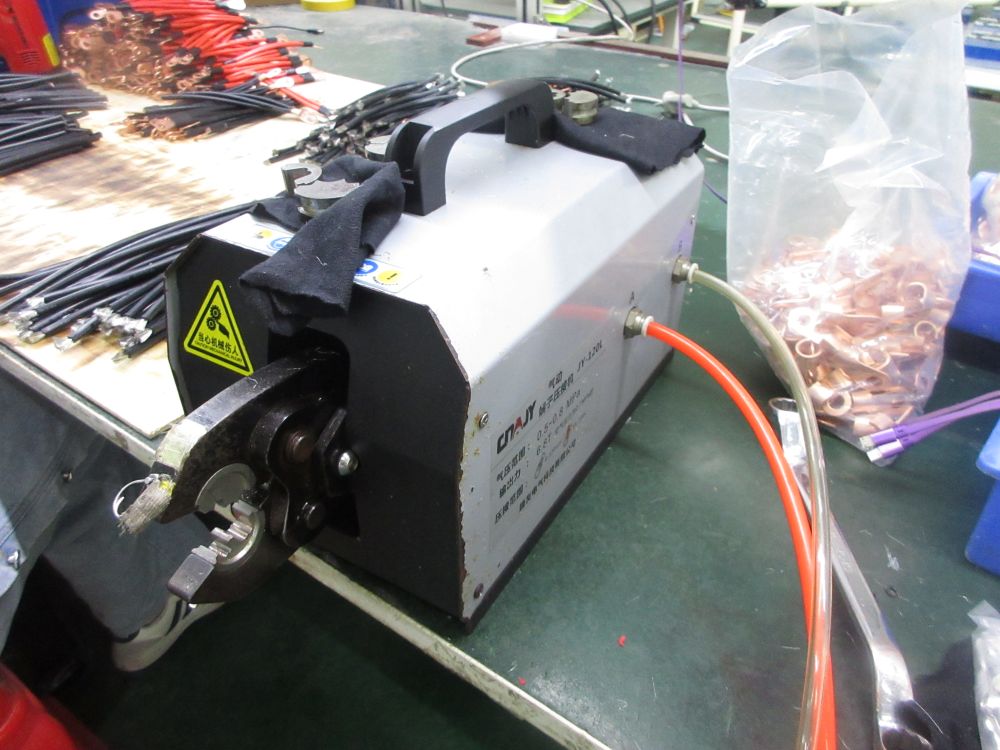
Inside our Guangdong production center, where state-of-the-art automation meets strict quality assurance standards.

Clear answers to the most common engineering and sourcing questions about solar hybrid installations.
A hybrid inverter acts as a dual-direction energy manager, coordinating grid interaction, PV production, and battery cycles. In contrast, standard off-grid systems cannot export power back to the grid and often struggle to dynamically combine grid and PV energy to feed loads simultaneously. Hybrid systems bridge this gap by prioritizing solar power, supplementing deficits with battery storage or grid electricity, and even exporting excess generation under net metering schemes.
Yes. When a grid failure is detected, the hybrid inverter isolates itself from the grid using an internal static transfer switch (anti-islanding protection). It then operates in off-grid mode, drawing power from the solar array and battery storage to supply critical load circuits. For premium units like our IP65 split-phase designs, the transfer time to backup power is less than 10 milliseconds, preventing computers and smart home equipment from resetting.
Low-voltage (48V) setups are ideal for residential and small commercial systems up to 15kW, offering simpler installation and safer handling. For commercial and industrial needs exceeding 15kW, high-voltage battery designs (running between 150V to 800V DC) are preferred. High-voltage setups reduce system currents, allowing for thinner cables, lower copper costs, and reduced thermal losses, which improves round-trip efficiency.
By sourcing components directly from leading component manufacturers and managing the system integration process in-house, we control quality from start to finish. We work with premium brands (such as Deye, Solis, and specialized component makers) to design and pre-wire custom battery cabinets, complete with built-in battery management systems (BMS). Every integrated unit undergoes full thermal load testing before export.
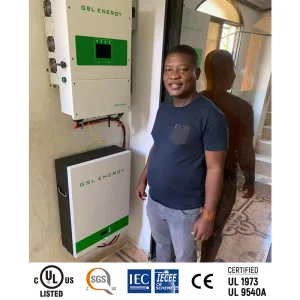
For the US, products must carry UL 1741 or UL 1741 SB certification alongside FCC compliance, while the complete energy storage system must meet UL 9540 standards. European imports require CE marking, along with compliance to EN 50549-1/2, VDE-AR-N 4105 (Germany), and G99 (UK) grid-connection codes. Hudd Energy ensures all export models are fully certified for their target markets.
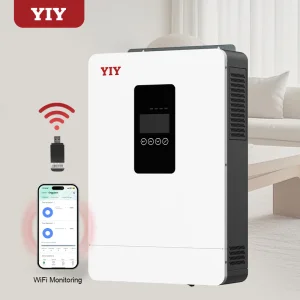
Yes. Our entire catalog features Wi-Fi, GPRS, or Ethernet monitoring ports. Installers and homeowners can monitor PV output, battery state of charge (SoC), and home consumption in real-time. System settings, battery charge rates, and firmware upgrades can also be managed remotely via cloud-based apps.
Yes. Most of our hybrid inverters support parallel connections. For example, our 3-phase commercial range can run up to 16 units in parallel on a single system bus, enabling easy scaling from a base of 20kW up to more than 300kW of synchronized output capacity.
Next-generation EMS platforms integrate weather data to optimize battery usage. If tomorrow's forecast predicts heavy cloud cover, the system can pre-charge the battery bank using lower-cost off-peak grid power tonight, ensuring backup power remains available during the cloudy period.
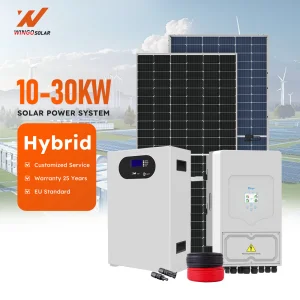
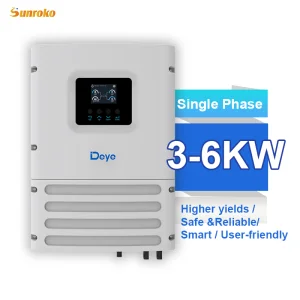
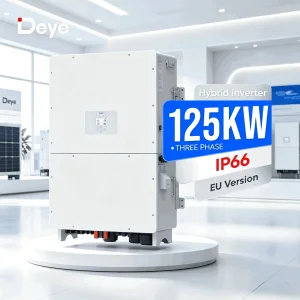
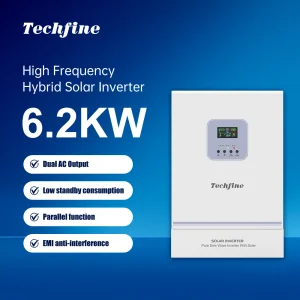
Advanced backup solutions, commercial-grade three-phase controllers, and customizable residential hybrid kits.
 Hudd Energy