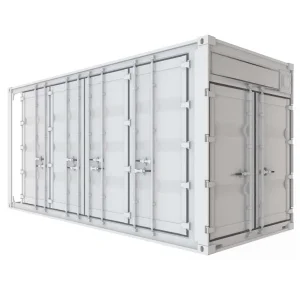
Engineered for deep-cycle performance, thermal resilience, and complete compliance with European distribution network safety requirements.
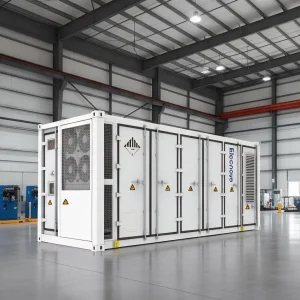
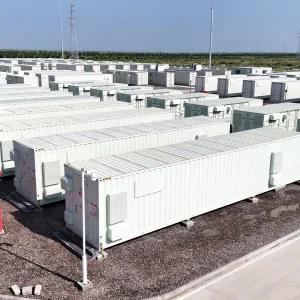
Under the ambitious Energiewende framework, Germany is targeting at least an 80% renewable share in gross electricity consumption by 2030. However, the phase-out of nuclear plants and traditional base-load coal generation has created massive structural volatility across local networks (Amprion, TenneT, 50Hertz, and TransnetBW). The rapid growth of non-dispatchable wind and solar requires deep-cycle storage capacity to prevent severe grid congestion and negative pricing events.
For German commercial and industrial (C&I) buyers, utility costs are heavily influenced by grid fees (Netznutzungsentgelte). Under the German Energy Industry Act regulatory schemes (specifically StromNEV § 19), businesses can secure significant rebates on grid fees by utilizing energy storage systems. By scheduling charge cycles during off-peak periods and discharging during regional grid peaks (atypical grid utilization or atypische Netznutzung), industrial operators can cut peak-demand fees by up to 80% annually.
Deploying energy storage systems in Germany demands strict adherence to engineering codes, including VDE-AR-N 4110 (medium-voltage connection requirements) and VDE-AR-N 4120 (high-voltage). Our systems are engineered to streamline the plant controller certificate (Anlagenzertifikat) acquisition process.
Minimize peak load measurements recorded by grid operators, leading to dramatic reductions in demand-charge billing for German factories, logistics hubs, and heavy industrial facilities.
Participate in Frequency Containment Reserve (FCR) markets and automatic Frequency Restoration Reserve (aFRR) to generate steady streams of revenue from local German transmission grid operators (TSOs).
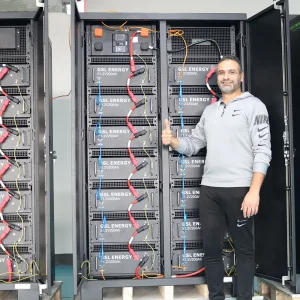
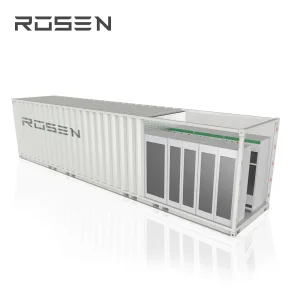
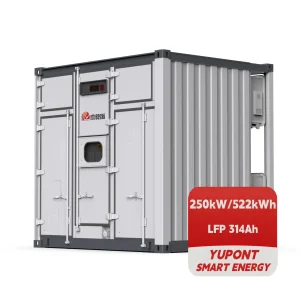
Our containerized battery storage configurations use Tier 1 LFP chemistry designed for functional lifespan longevity and structural reliability.
Equipped with advanced aerosol or Novec 1230 fire suppression systems, deflagration panels, and dedicated off-gas detection (carbon monoxide and hydrogen) to meet strict German municipal safety codes and VdS standards.
Advanced liquid-cooling thermal management ensures cell-to-cell temperature differentials stay below 2.5°C. This greatly extends the operational lifespan of cells compared to traditional air-cooled systems and helps preserve long-term capacity.
Our open-architecture Energy Management System (EMS) supports Modbus TCP, CAN, and IEC 60870-5-104 protocols. This allows seamless integration with German virtual power plant (VPP) networks and industrial SCADA platforms.
Guangdong Hudd Energy Co., Ltd. is a professional provider of renewable energy products, energy storage solutions, and integrated smart energy systems. The company specializes in the development, supply, and integration of advanced energy storage systems (ESS), solar power solutions, EV charging infrastructure, and integrated solar-storage-charging stations, delivering efficient, reliable, and sustainable energy solutions to customers worldwide.
Beyond supplying individual products, Hudd Energy offers comprehensive system integration services tailored to diverse project requirements. Leveraging extensive industry expertise, the company provides end-to-end support covering solution design, equipment selection, system integration, project management, commissioning, and after-sales services. This enables customers to implement optimized energy solutions with enhanced efficiency, performance, and long-term reliability.
With strong partnerships across China's manufacturing ecosystem, Hudd Energy benefits from a robust and competitive supply chain, ensuring high-quality products, stable delivery schedules, and cost-effective solutions. The company also maintains strategic cooperation with financial institutions and banking partners, providing flexible trade finance support and secure transaction services to facilitate the successful execution of international projects.
Hudd Energy's product portfolio serves a wide range of applications, including residential, commercial, industrial, utility-scale energy storage projects, electric vehicle charging networks, and distributed renewable energy systems. The company is committed to helping customers reduce energy costs, improve energy independence, and achieve their sustainability goals.
Over the years, Guangdong Hudd Energy has successfully expanded its presence in international markets, particularly in Southeast Asia, South America, the Middle East, and Africa, earning the trust and recognition of clients through reliable products, professional services, and long-term partnerships.
Looking ahead, Guangdong Hudd Energy Co., Ltd. will continue to drive innovation in clean energy technologies, strengthen its global market presence, and contribute to the worldwide transition toward a greener, smarter, and more sustainable energy future.
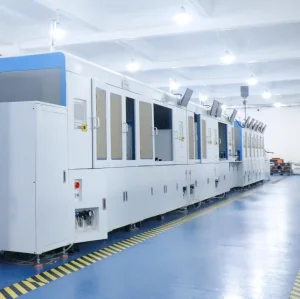
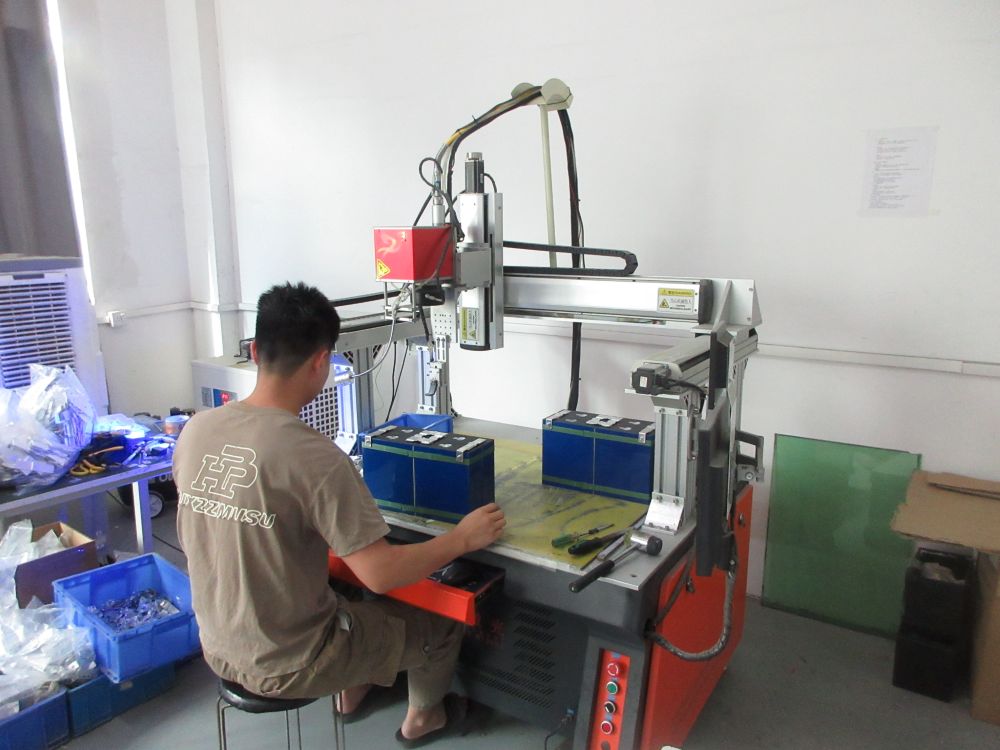
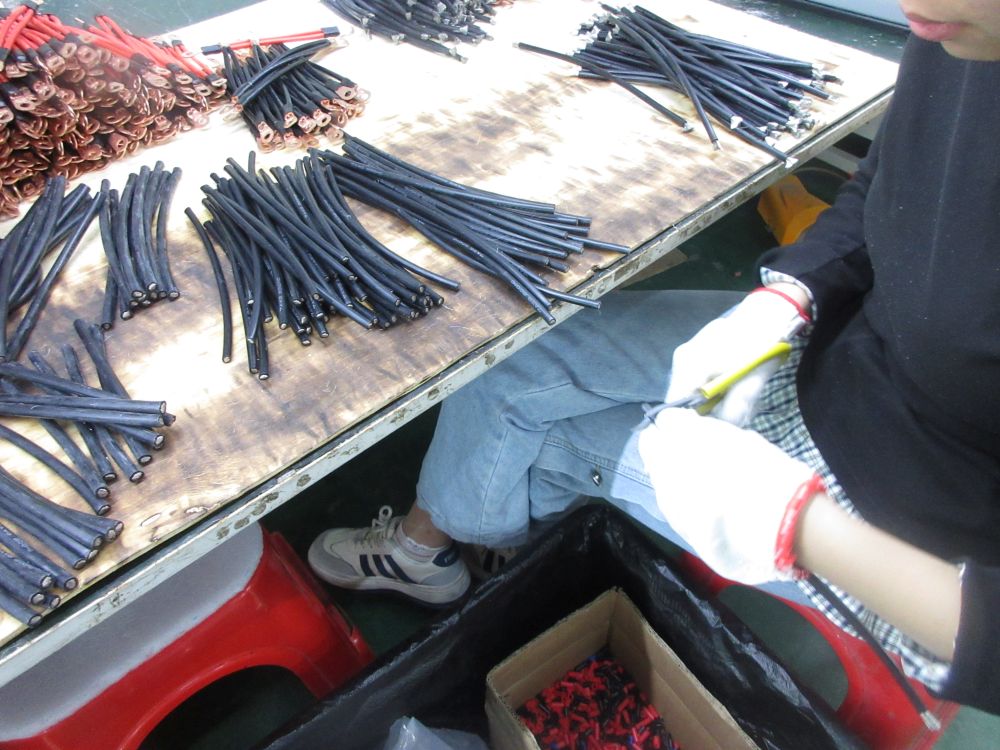
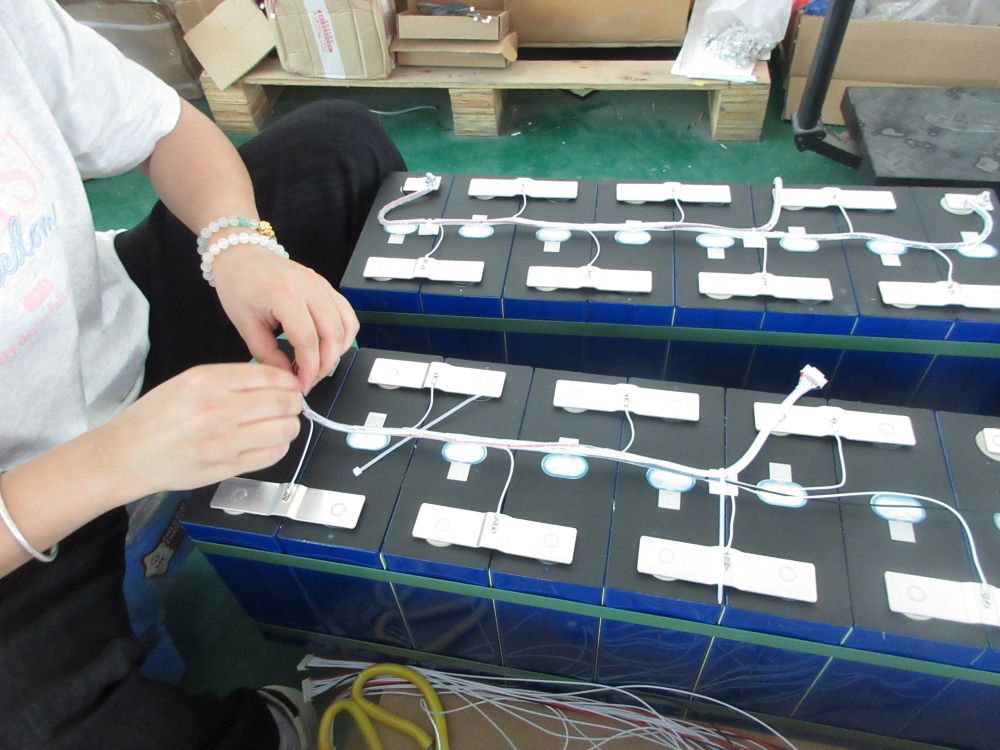
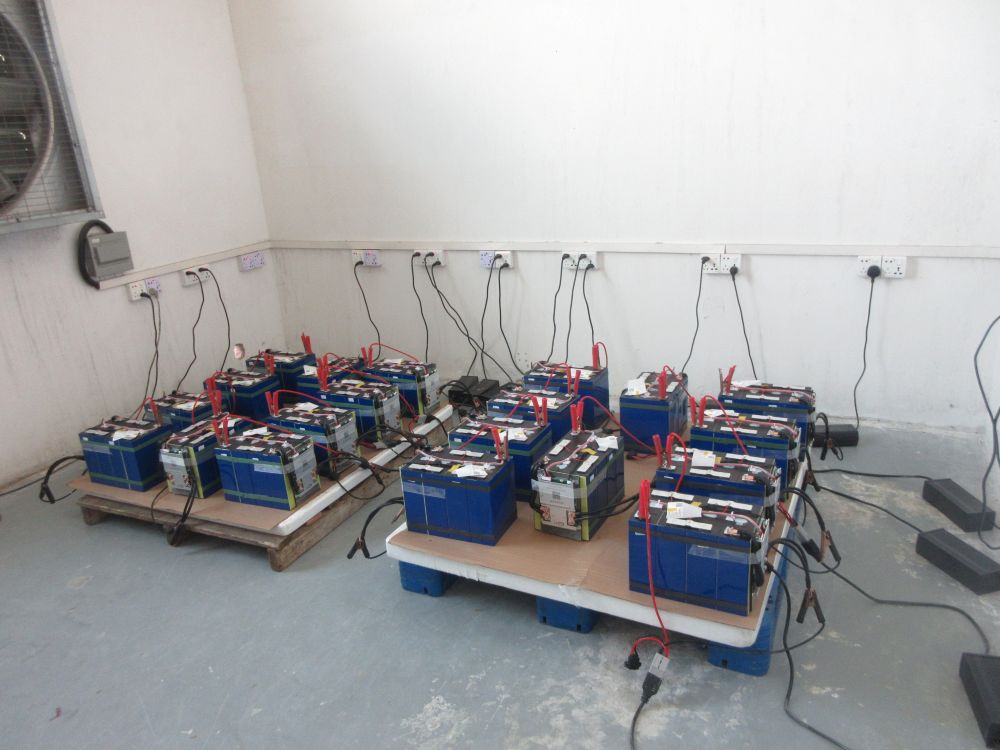
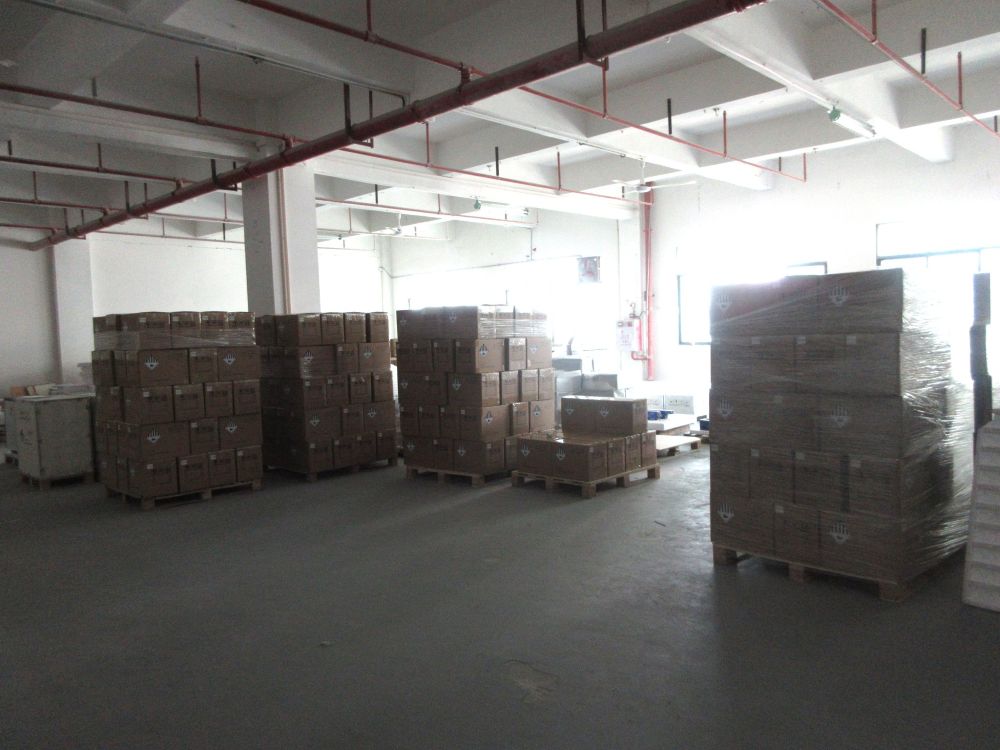
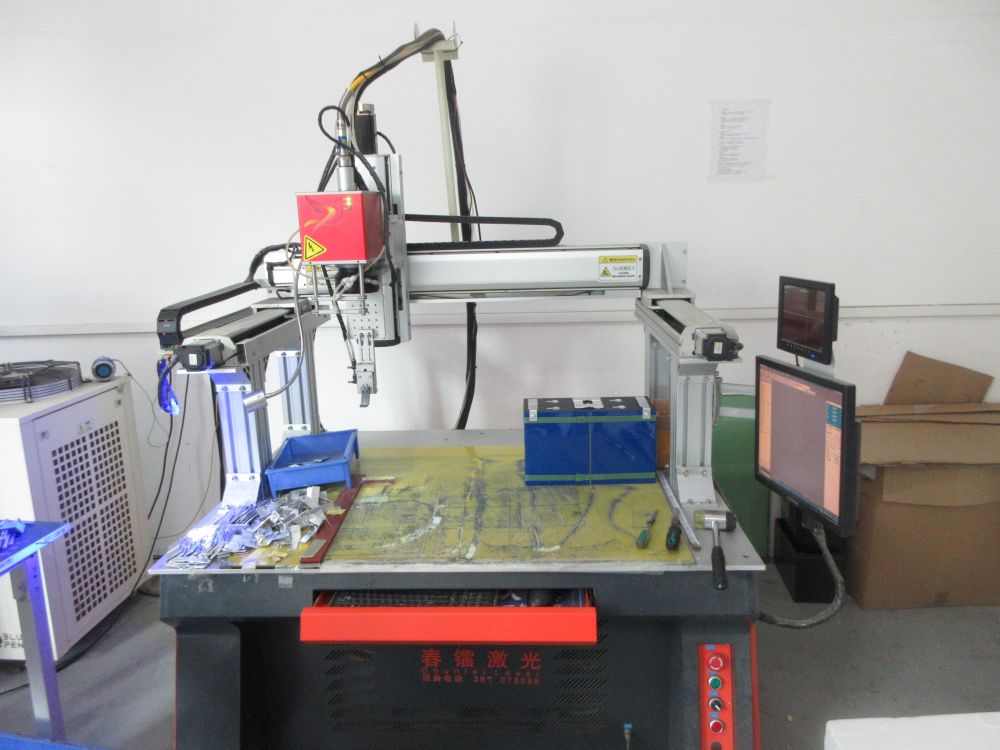
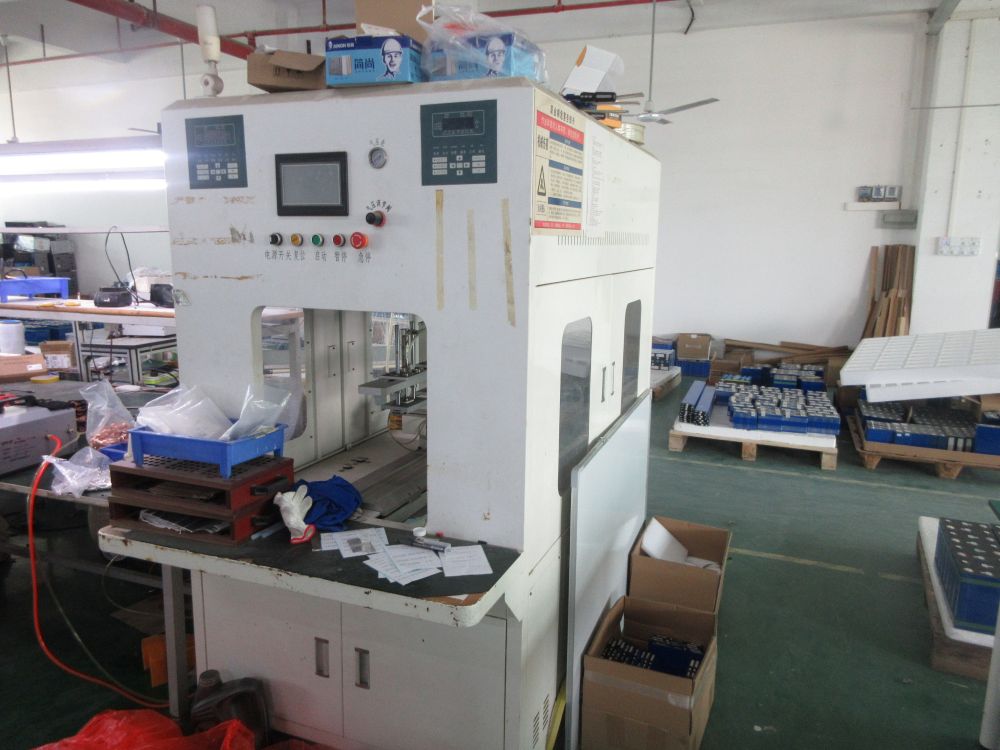
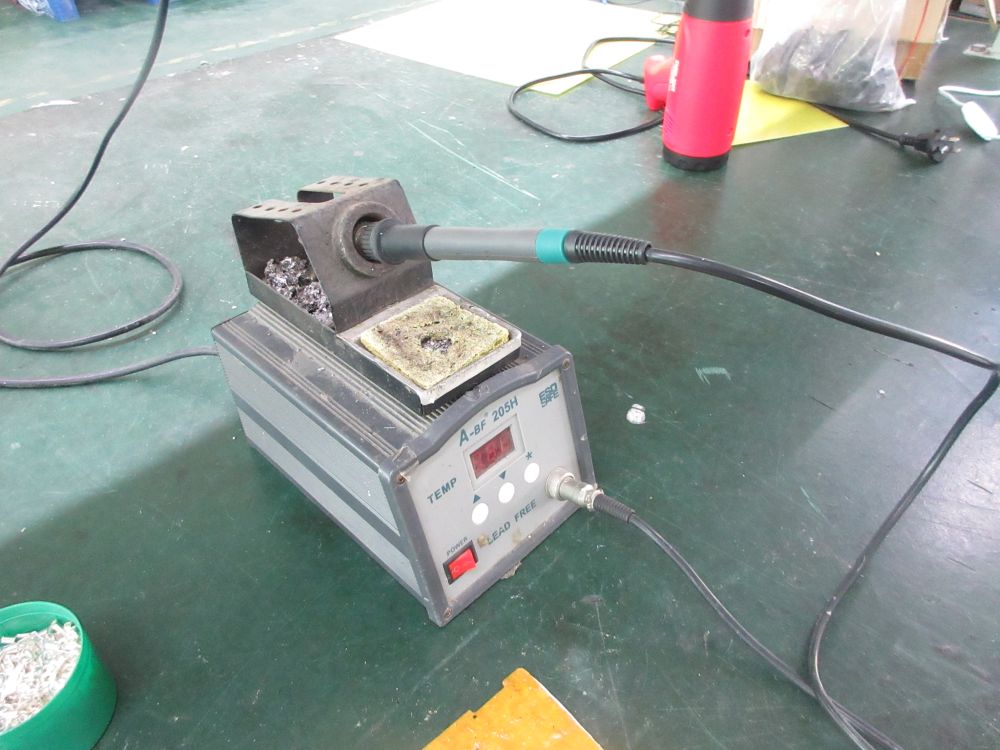
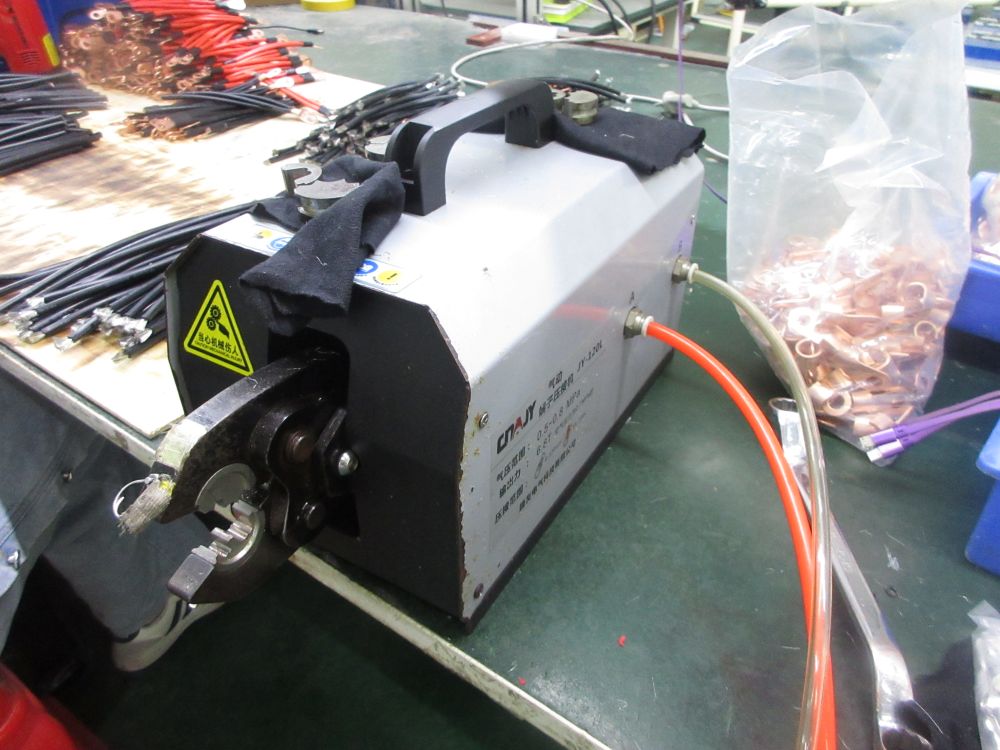
Our state-of-the-art production lines feature advanced welding, precise wiring, automated testing, and comprehensive thermal cycling.
Cycle Life @ 80% DOD
Round Trip Efficiency
4110 Compliant Engineering
LFP Battery Cells Only
Sourcing containerized energy storage systems from China offers distinct supply chain advantages. China controls over 75% of the world's lithium-ion battery manufacturing capacity, providing access to highly advanced LFP (Lithium Iron Phosphate) cell technologies, automated manufacturing systems, and established structural component supply chains. This ecosystem allows Hudd Energy to deliver premium energy storage solutions with significant capital expenditure benefits.
However, importing to Germany is more than a transaction; it requires deep compliance engineering. The physical interfaces, environmental protections (C4 or C5 corrosion protection standards for marine/coastal placements), and electrical parameters must align with European standards. At Hudd Energy, we bridge the gap between China's efficient manufacturing base and Germany's precise grid requirements.
Select from our range of CE and UL compliant containerized configurations, tailored to match specific load requirements.
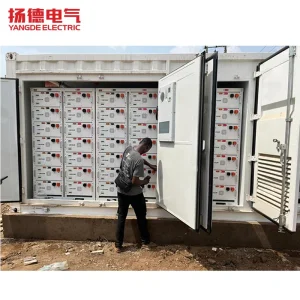
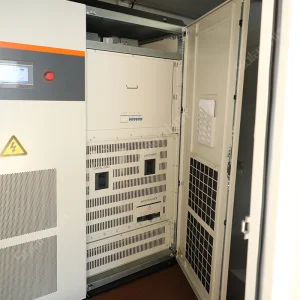
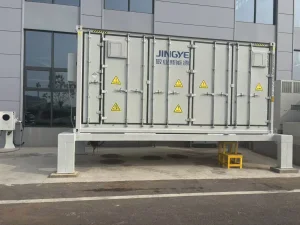
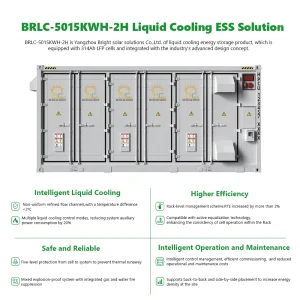
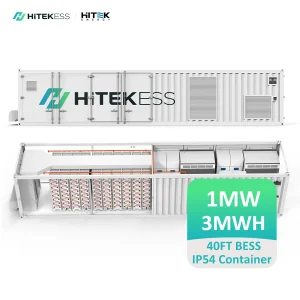
Essential information on technical parameters, compliance certifications, and commercial deployment of BESS units in Germany.
Our containerized battery energy storage systems are engineered specifically to comply with German grid standards. We collaborate with leading inverter and PCS manufacturers to ensure that our integrated units support required grid services. This includes dynamic reactive power control, active power control, low-voltage ride-through (LVRT), and high-voltage ride-through (HVRT) capability. We supply detailed documentation (including factory testing reports, cell data sheets, and certification protocols) to support your engineering team during the local VDE grid connection process.
Our containers feature multi-layered active and passive safety controls, including:
1. Advanced Battery Management Systems (BMS) with cell-level monitoring for early thermal runaway detection.
2. Automatic aerosol or Novec 1230 fire suppression systems.
3. Dedicated off-gas detection (monitoring CO and H2 emissions).
4. Deflagration venting panels in compliance with NFPA 68 and European explosion safety rules.
5. Double-walled containment areas to catch coolant leaks, protecting local groundwater resources in accordance with WHG requirements.
Under StromNEV § 19, German industrial and commercial consumers can secure grid fee reductions of up to 80% by shifting their peak consumption away from the local grid's peak load window. The peak load window is published annually by the regional network operator (DSO). Our integrated energy management system (EMS) can be programmed with these windows to charge during off-peak times and discharge during high-demand windows. This reduces the maximum peak demand recorded at the meter, lowering network charge fees.
Liquid cooling is highly effective for large-scale energy storage due to its superior heat transfer capability. Air-cooled systems can experience temperature variations across modules, accelerating cell degradation in hot zones. Our liquid cooling design keeps cell temperature variance under 2.5°C across the system. This thermal consistency reduces auxiliary power usage, increases round-trip efficiency (RTE) to over 89%, and extends the operational lifetime of LFP cells to over 8,000 cycles at 80% Depth of Discharge.
Yes, we specialize in OEM integration. We design and build custom systems ranging from 250 kW commercial units up to multi-MW utility systems in 10ft, 20ft, or 40ft containers. Customers can specify preferences for cell brands (such as CATL, REPT, or EVE), battery chemistry, PCS partners, liquid cooling layouts, and localized EMS software integration to meet the specific requirements of their project.
Connect with our expert application engineering team. We provide complete technical specifications, compliance support, and comprehensive price quotes tailored to your project's grid connection demands.
Send Inquiry Now Hudd Energy