Home >
Grid-Scale Battery Storage >
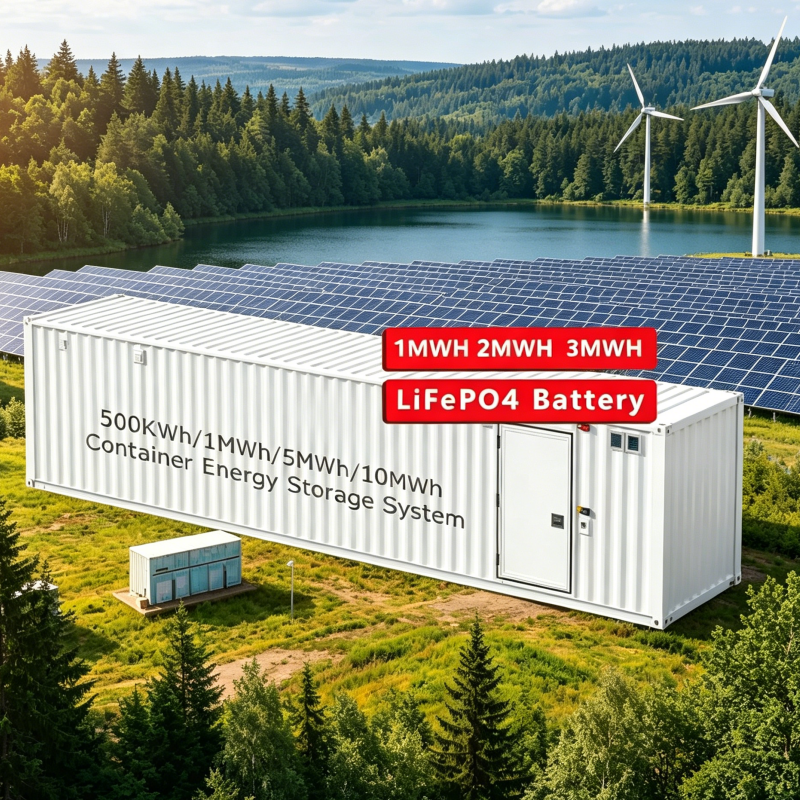
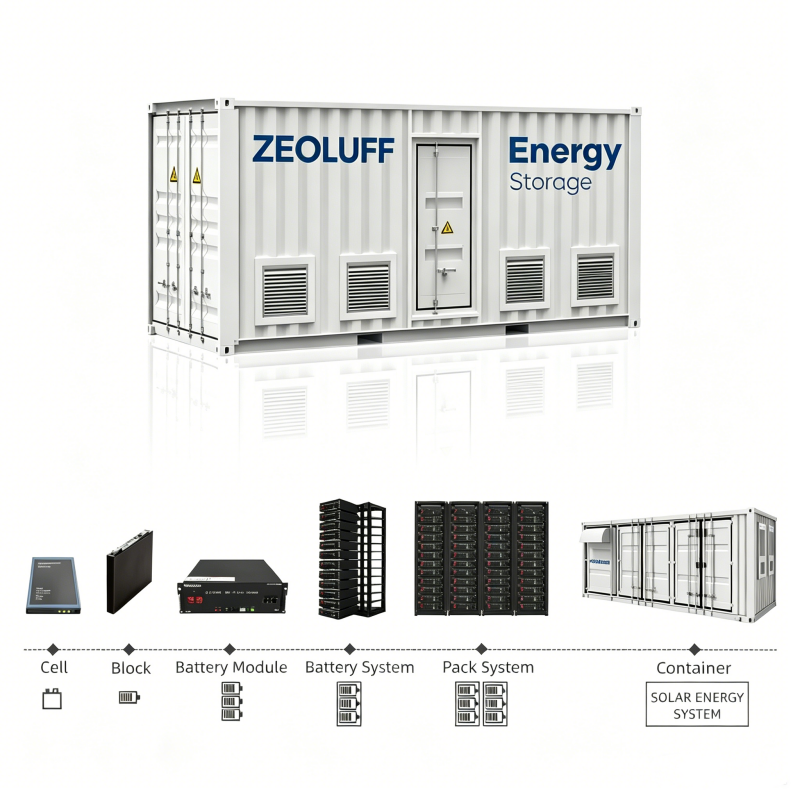
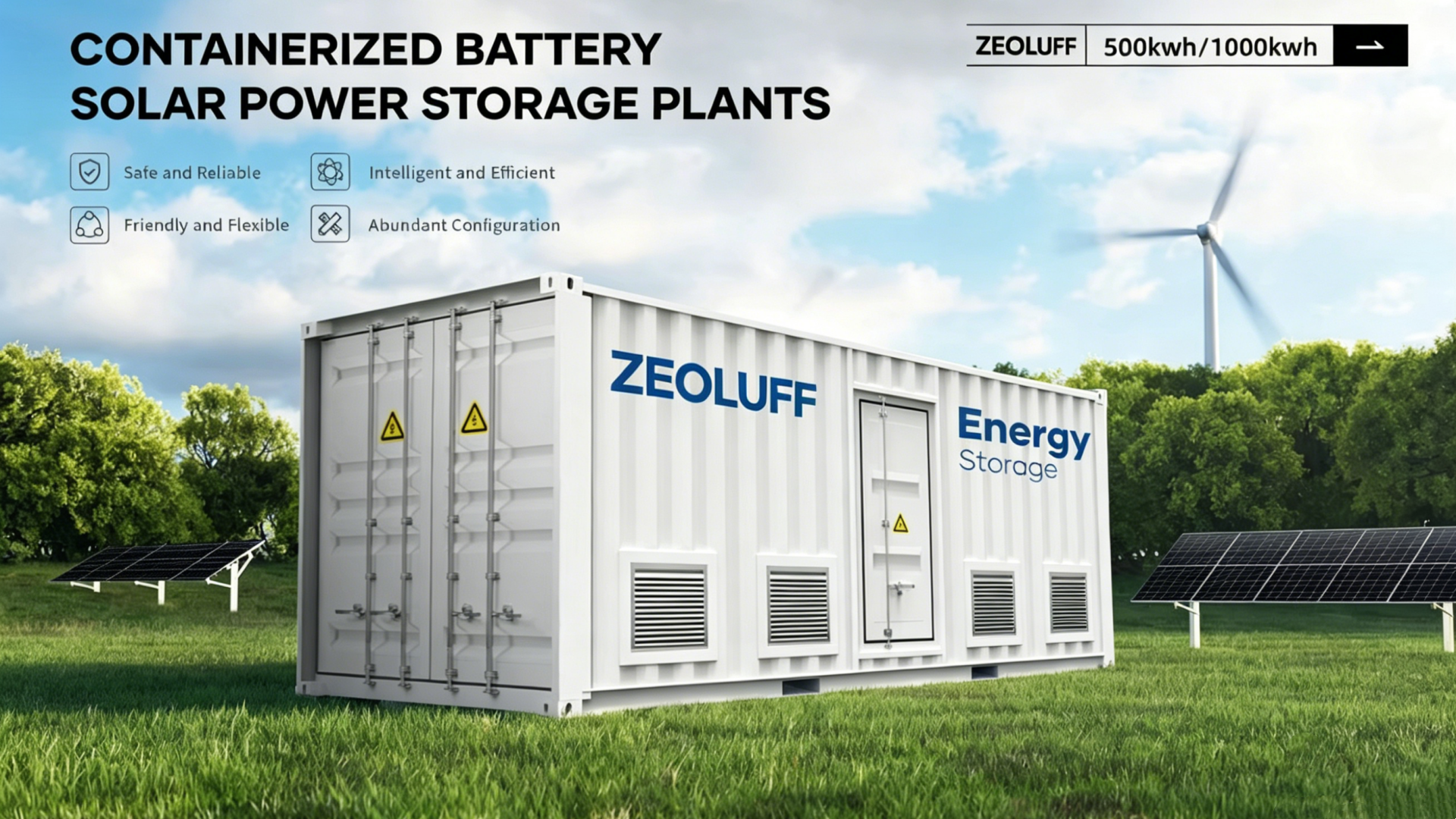
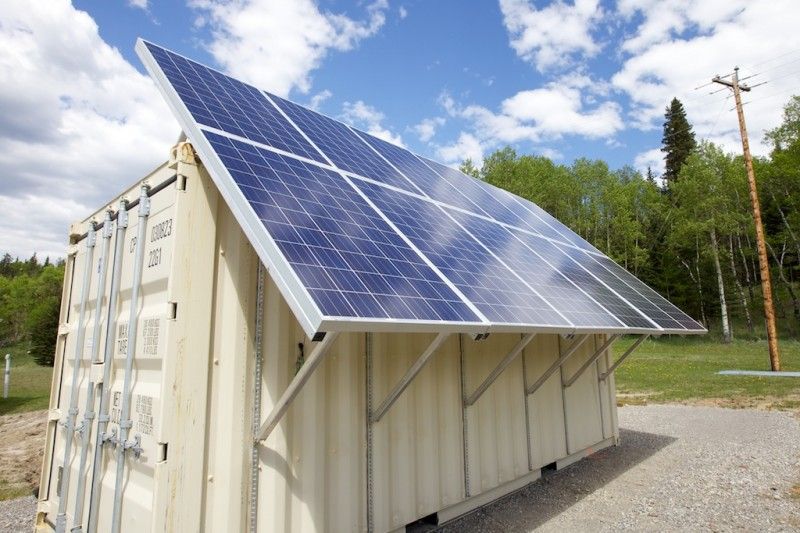
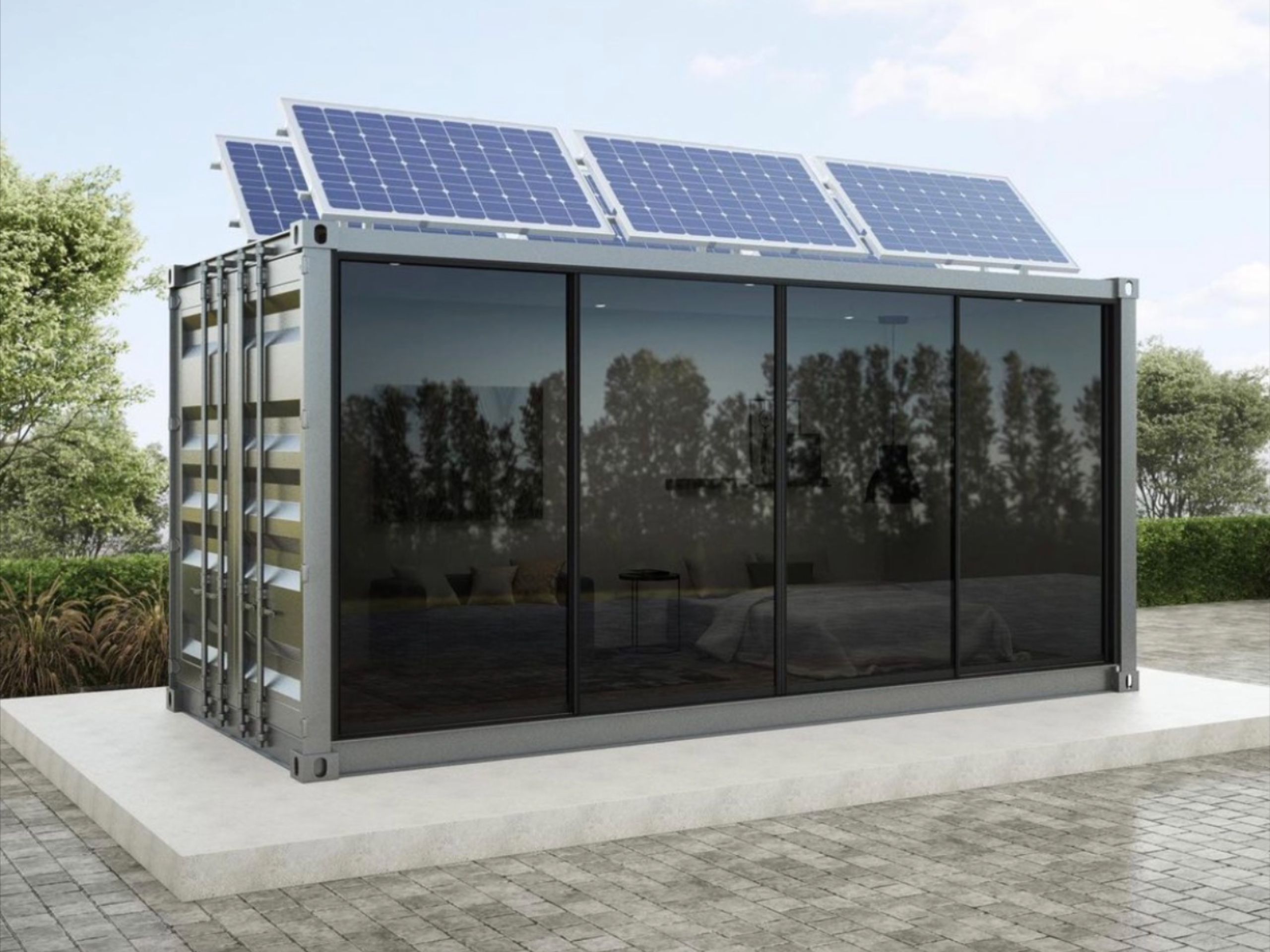
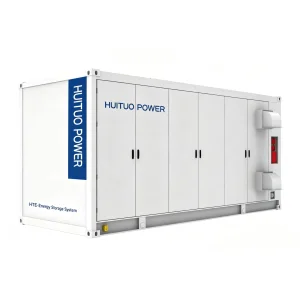
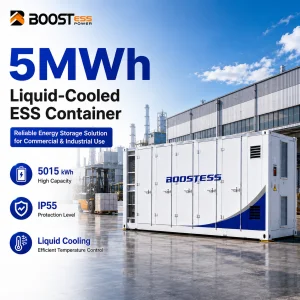
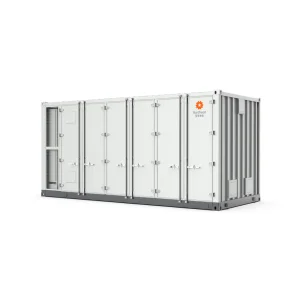
1mwh Lifepo4 Lithium Ion Battery Storage Container for Solar Power Grid Energy Storage System 6000 Cycle Life 10 Year Warranty
1 / 5
1mwh Lifepo4 Lithium Ion Battery Storage Container for Solar Power Grid Energy Storage System 6000 Cycle Life 10 Year Warranty
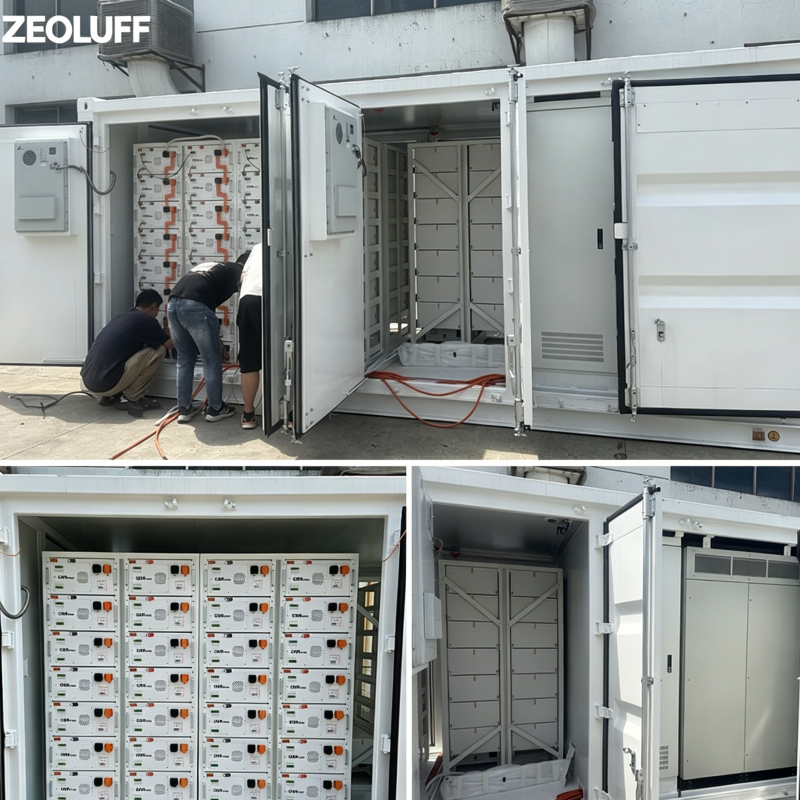
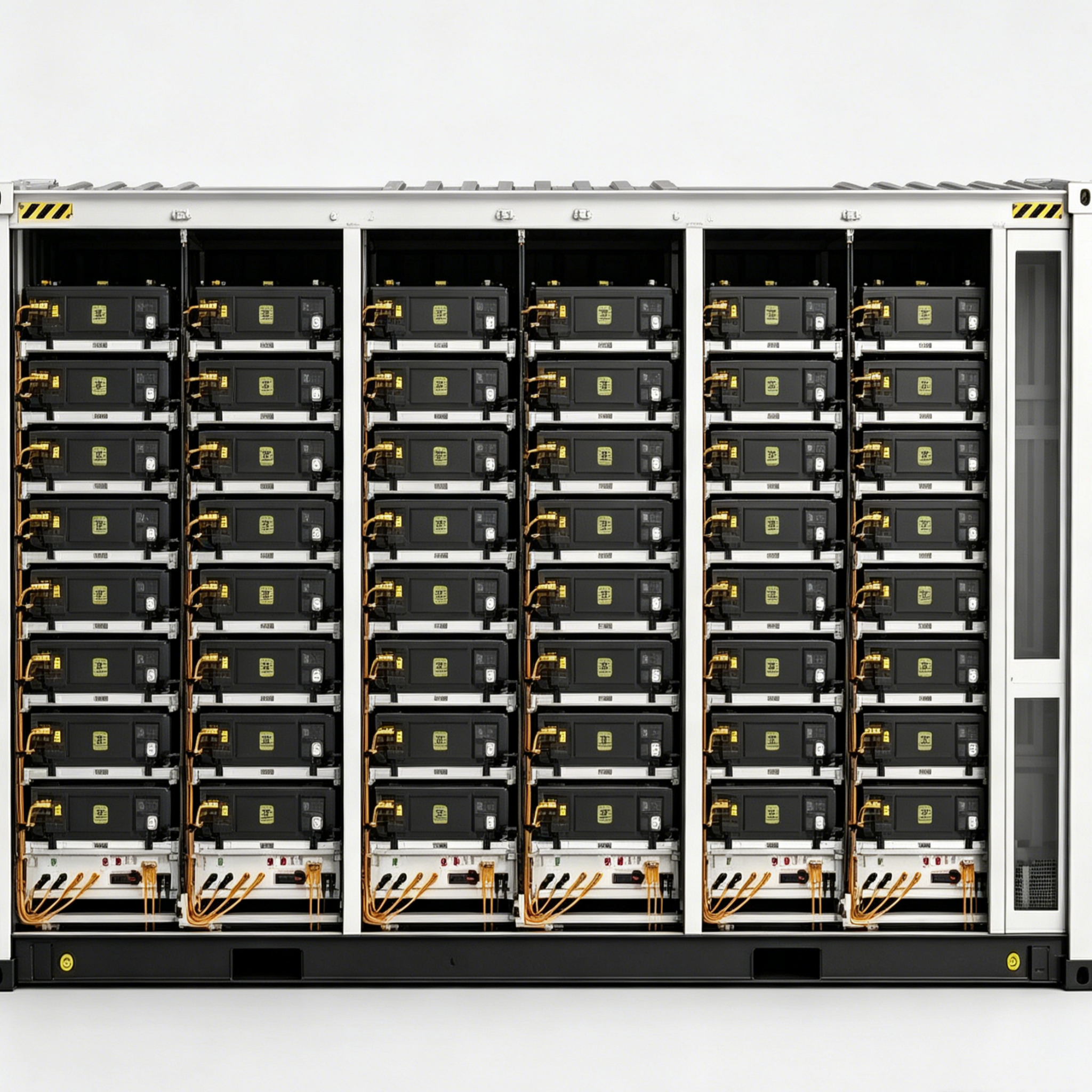
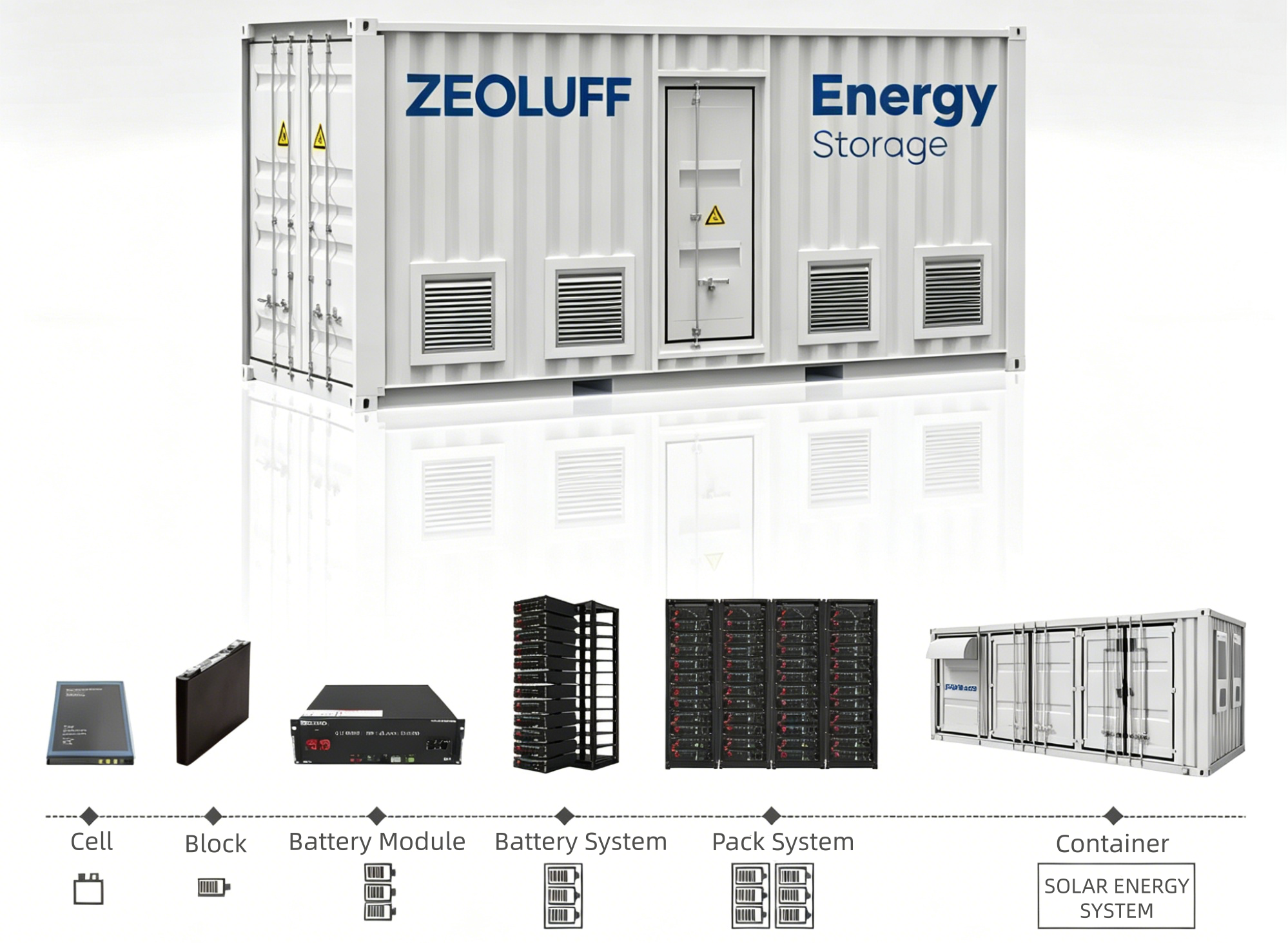
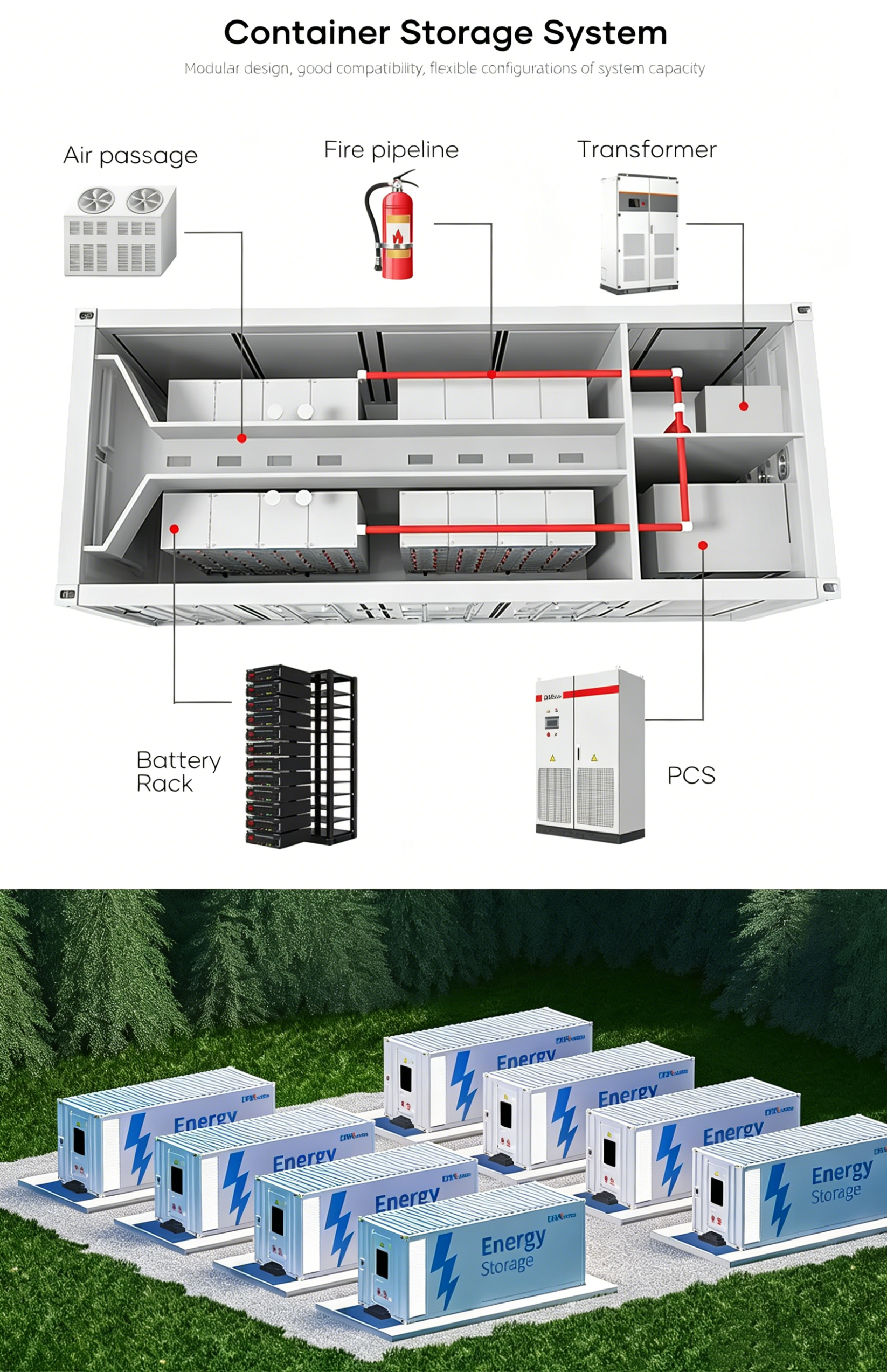
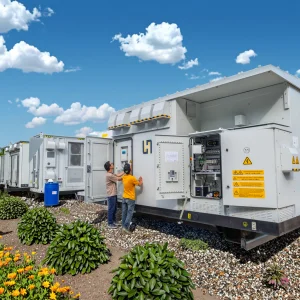
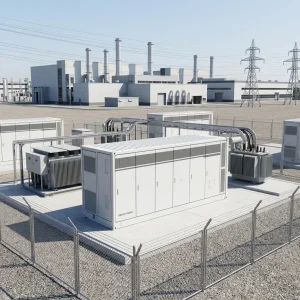
In order to reduce the production losses caused by power outages in summer, the DC side consists of eight 138kwh lithium battery energy units, and the AC side uses MEGA series PCS. Through the EMS operation strategy, it interacts with the grid in a friendly way and provides power support for customers during power limited periods.
PV Charging Station
Wind Power Storage
Wind Power Storage
Grid-Side Storage
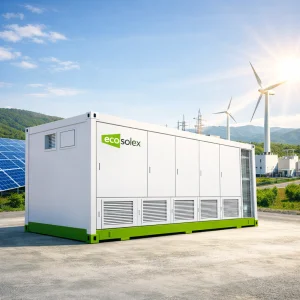
It provides energy storage solutions with high security and high cost-effectiveness under the comprehensive scenario of the power generation side, grid side, and user side.
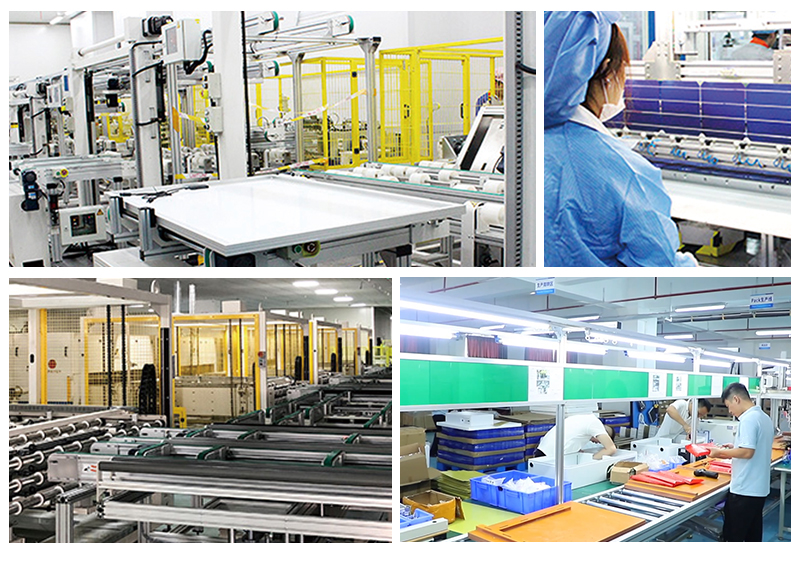
Manufacturing & Facilities
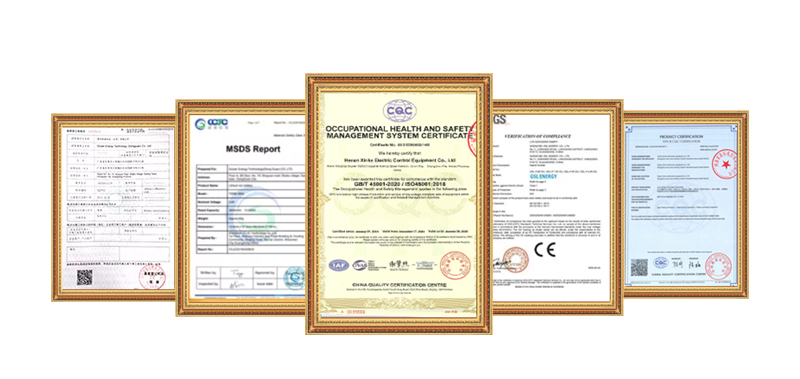
Certifications
Our Projects
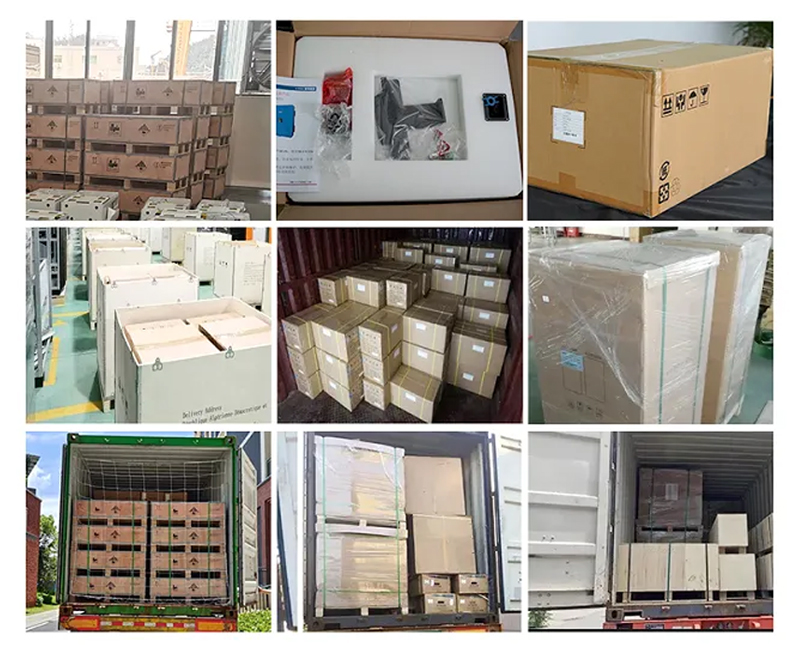
Product Packaging
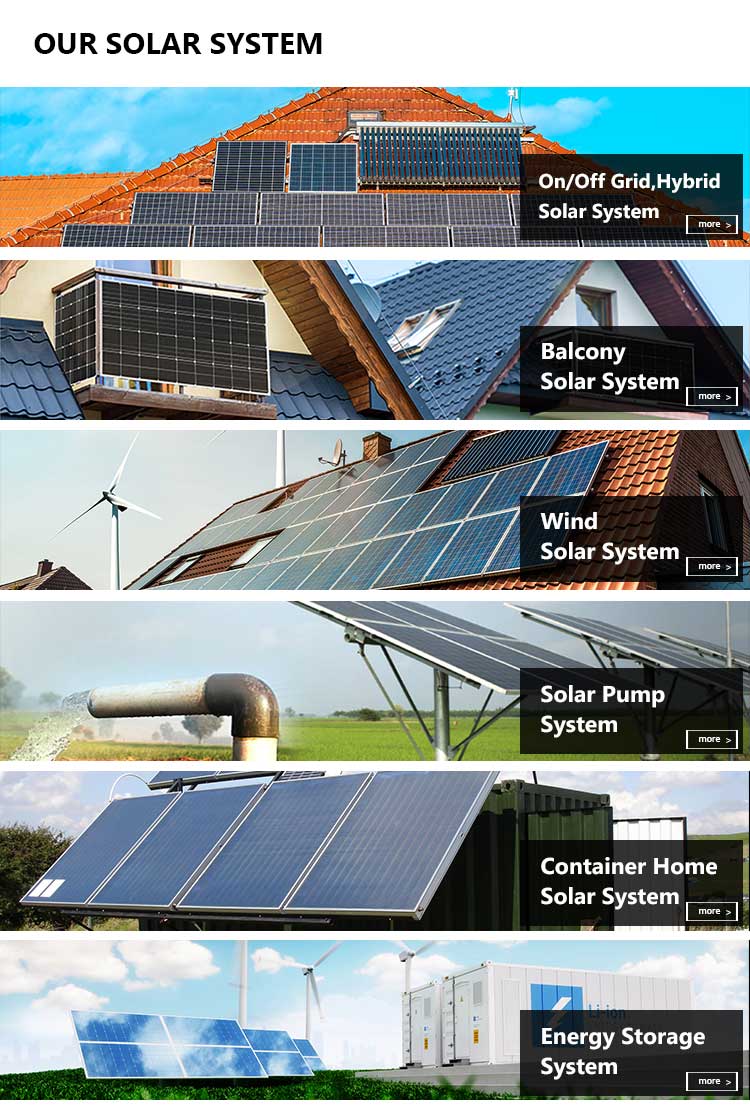
Our Solar Systems
What Our Distributors Receive
System Design and Support
Technical Support
Installer Training Seminars
Solar PV Best Practices Documentation
Marketing & Sales Support
Samples Assets
Preferential Pricing
Exhibition Support
Frequently Asked Questions
1. What are Solar Power Advantages?
Avoid rising utility rates, reduce your electric bills, secure tax benefits, help the environment, and gain your own independent power plant.
2. What is the difference between grid-tied and off-grid solar?
Grid-tie systems connect to the public utility grid. The grid acts as storage for the energy produced by your panels, meaning you don't need to buy batteries for storage. If you don't have access to power lines at your property, you'll need an off-grid system with batteries so you can store energy and use it later. There's a third system type: grid-tied with energy storage. These systems connect to the grid, but also include batteries for backup power in case of outages.
3. What size system do I need?
Your system size depends on your monthly energy use, as well as site factors like shading, sun hours, panel facing, etc. Please share your electricity configuration and requirements, and customized proposals will be provided based on your usage and location.
4. How do I get a permit for my system?
Contact your local AHJ (authority having jurisdiction), the office that oversees new construction in your area, for instructions on how to permit your system. This is typically your local city or county planning office. You will also need to contact your utility provider to sign an interconnection agreement that allows you to connect your system to the grid (if applicable).
5. Can I install solar myself?
Many customers choose to install their own system to save money on their project. Some install the racking rails and panels, then bring in an electrician for the final hookup. Others simply source the equipment and hire a local contractor to avoid paying markup to a national solar installer. Installation support teams are also available to help guide you through the process.
6. How long do solar panels and systems last?
Most high-quality photovoltaic solar panels are designed to last between 25 and 30 years, maintaining high output efficiency throughout their operational lifecycle, while inverters and battery storage modules generally carry warranties ranging from 5 to 10 years depending on use.
 Hudd Energy