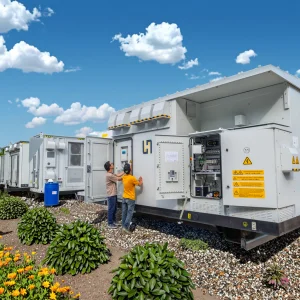
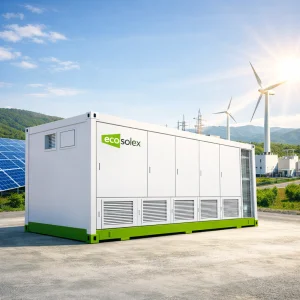
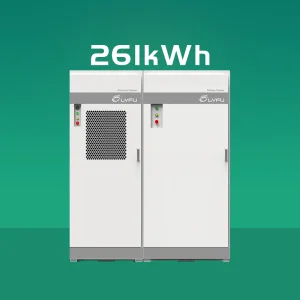
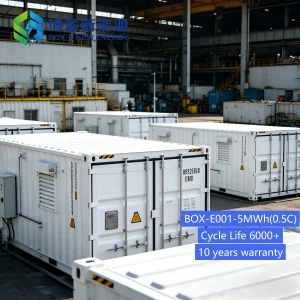
Pioneering energy resilience in Riyadh with state-of-the-art battery storage technology.
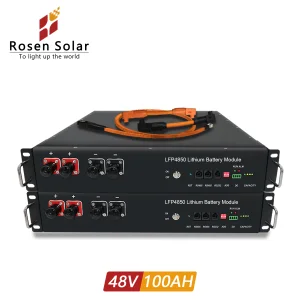
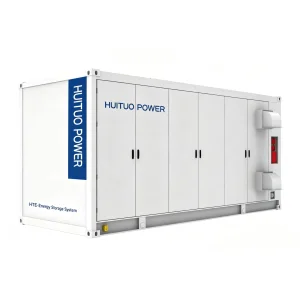
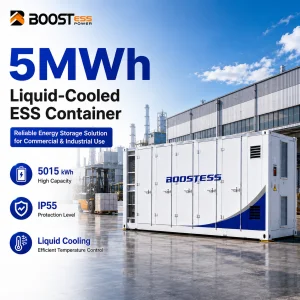
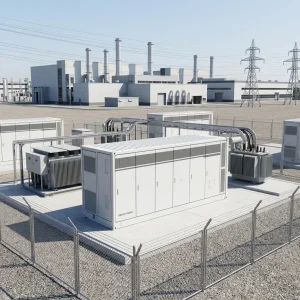
Saudi Arabia is executing one of the most ambitious energy transitions globally. Under the auspices of Saudi Vision 2030, the Kingdom aims to generate 50% of its electricity from renewable sources by 2030. Riyadh, as the economic heart and fastest-growing urban center, is experiencing an unprecedented surge in peak electrical demand. This dramatic increase requires a massive deployment of Grid-Scale Battery Energy Storage Systems (BESS) to maintain grid stability, manage peak loads, and smoothly integrate vast capacities of solar photovoltaic (PV) and wind energy.
In the arid desert climate of the Riyadh province, where summer ambient temperatures routinely exceed 50°C, traditional grid infrastructure faces heavy thermal stress and efficiency losses. Grid-scale battery storage acts as a virtual transmission asset. It offers critical services such as dynamic frequency response, ramp-rate control, voltage regulation, and black-start capabilities. Riyadh's commercial zones, heavy industrial parks, and new giga-projects require reliable power infrastructure where localized utility-scale BESS serves as the cornerstone of energy resilience.
Our technological standards match the rigorous technical parameters required by the Saudi Electricity Company (SEC) and SASO guidelines.
Tailored utility storage topologies designed for the specific environment and commercial frameworks of Riyadh.
Enabling heavy industrial facilities in Riyadh's economic zones to store excess daylight solar production. The system discharges during peak billing windows, reducing monthly utility costs and relieving the central grid during peak hours.
Providing virtual synchronous generator capabilities to remote substations outside Riyadh. During transmission line dropouts, these systems generate stable voltage and frequency profiles, ensuring continuity for critical municipal and defense infrastructure.
Supporting Riyadh's urban green mobility roadmap by buffering electric vehicle hyper-charging stations. The system absorbs utility grid stress when multiple EVs quick-charge simultaneously, utilizing clean stored solar energy.
Mitigating high ambient temperatures through advanced cooling topologies and system intelligence.
Standard cooling methods degrade battery life under high ambient temperatures. Our liquid-cooled ESS systems maintain internal cell temperatures between 15°C to 35°C with less than a 3°C difference across the modules. This prevents localized hot spots, reduces auxiliary cooling power consumption by 30%, and extends cycle life by up to 20% compared to traditional forced-air cooling designs.
Our Intelligent EMS leverages predictive machine learning models to forecast local solar generation profiles and electricity demand. It continuously monitors state-of-health (SOH), state-of-charge (SOC), and cell thermal status. It communicates in real-time with utility dispatch protocols, allowing operators to optimize storage capacity dynamically.
Safety is critical for utility-scale battery deployments. Our systems integrate multi-tier safety protections: cell-level safety vents, module-level structural isolation, localized aerosol or gas fire suppression systems (FM-200/Novec 1230), and early detection sensors. These systems align with strict international safety standards, including UL 9540A and NFPA 855.
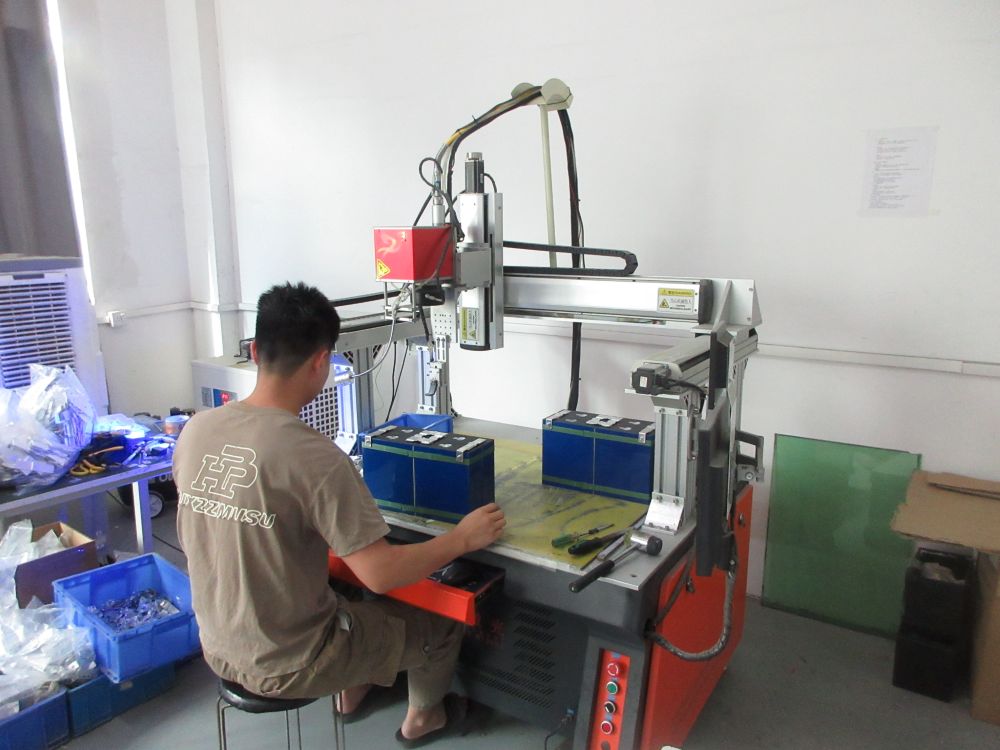
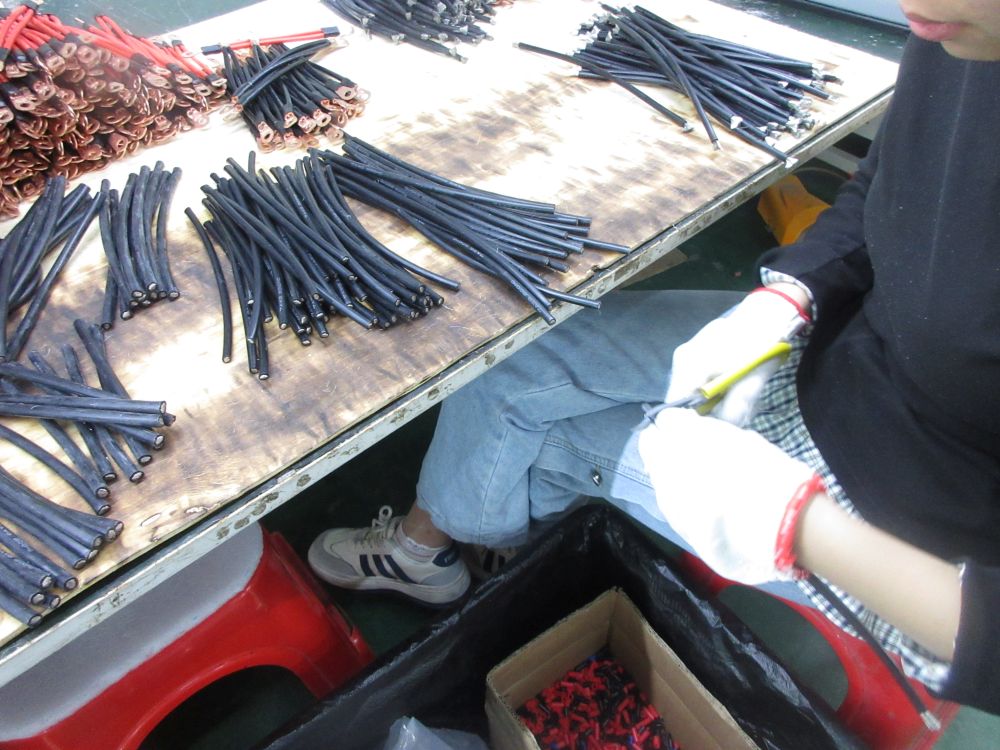
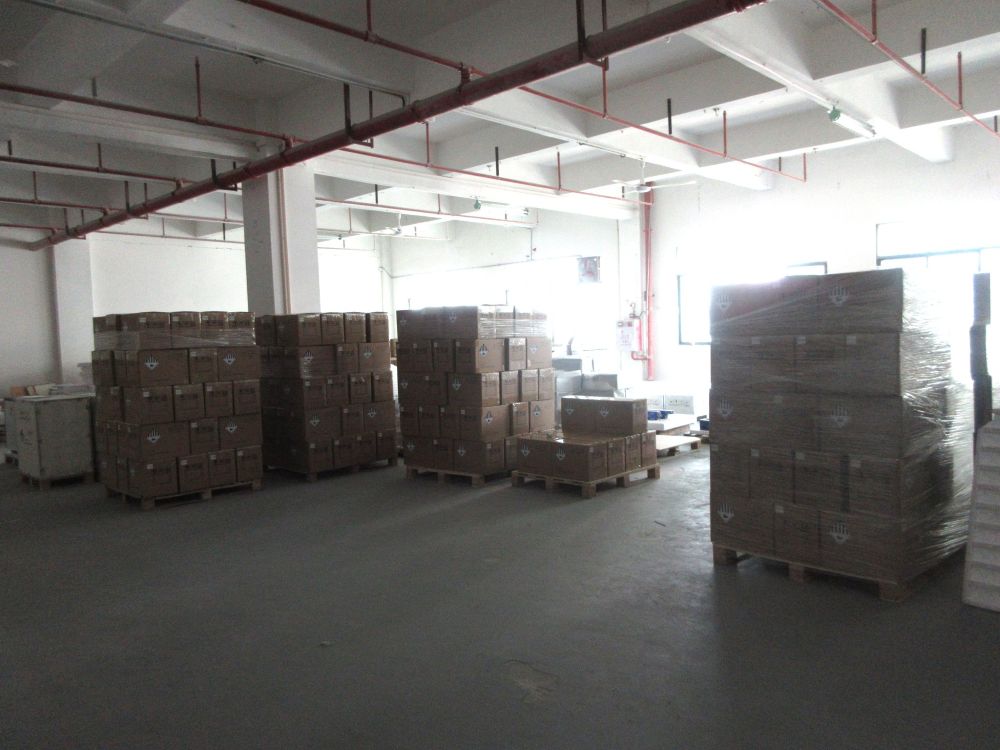
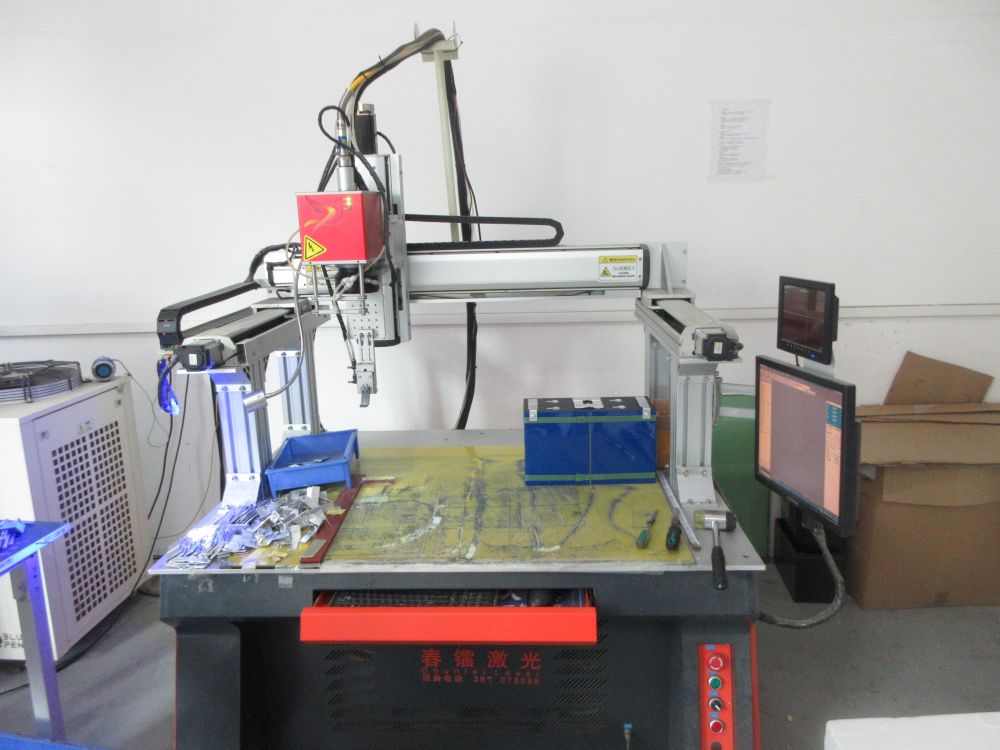
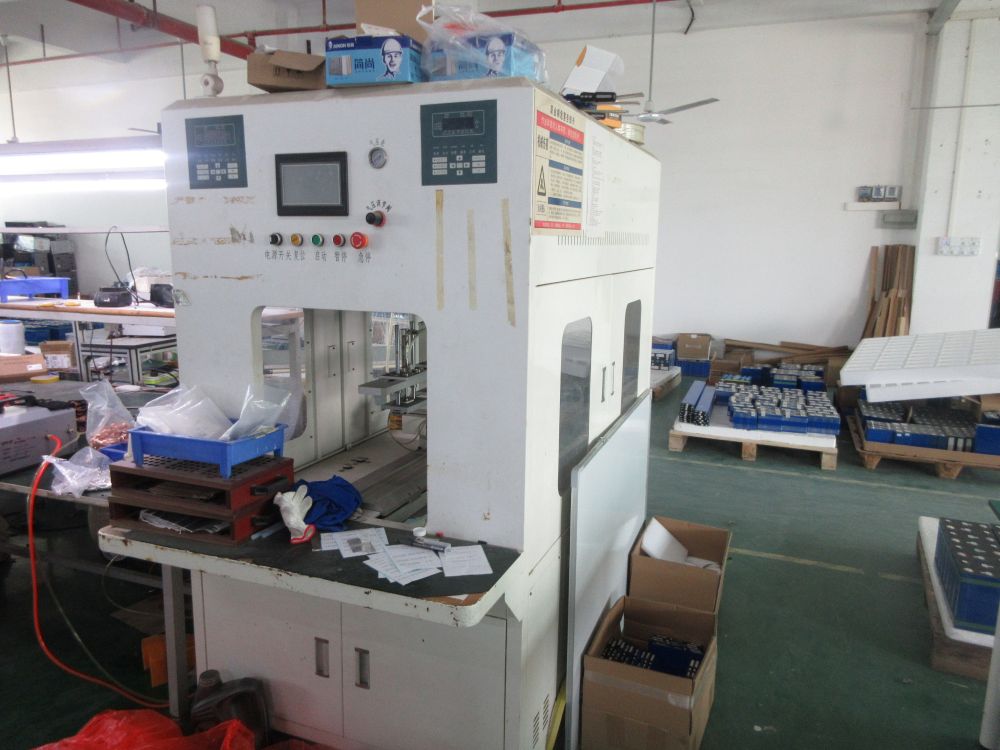
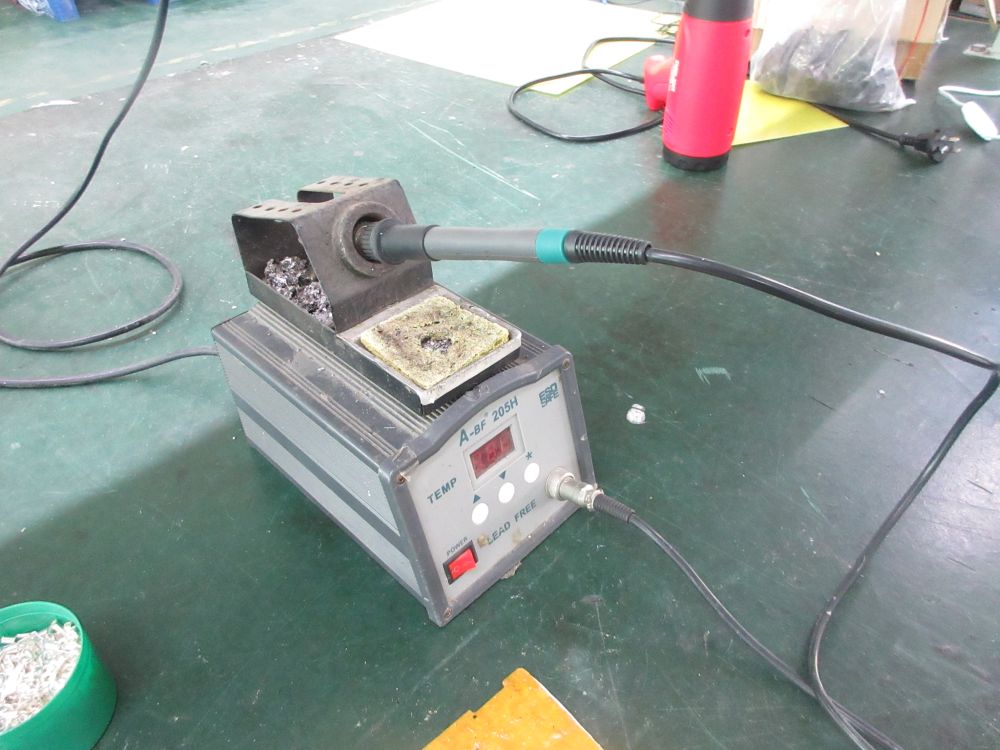
Guangdong Hudd Energy Co., Ltd. is a leading provider of renewable energy products, energy storage solutions, and integrated smart energy systems. The company specializes in the development, supply, and integration of advanced energy storage systems (ESS), solar power solutions, EV charging infrastructure, and integrated solar-storage-charging stations, delivering efficient, reliable, and sustainable energy solutions to customers worldwide.
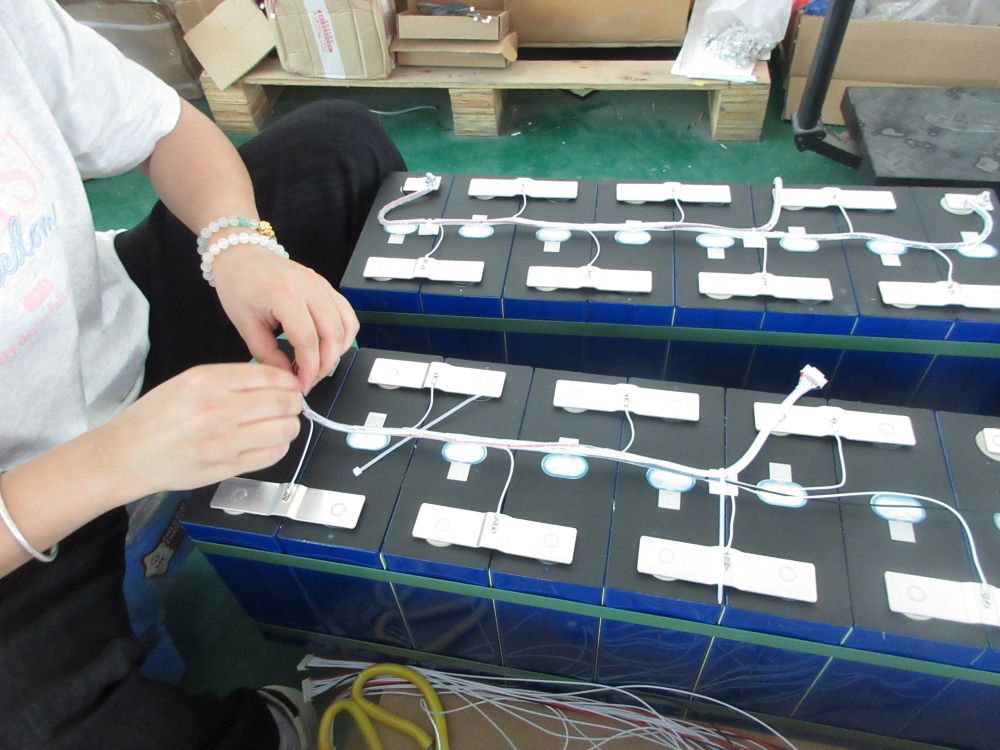
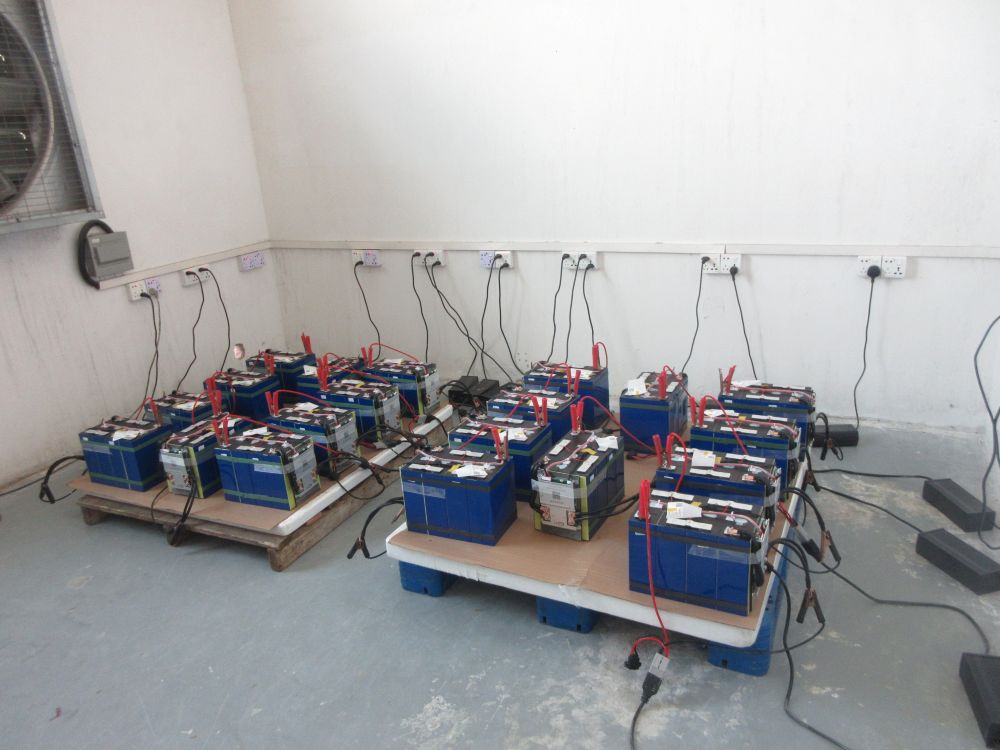
Beyond supplying individual products, Hudd Energy offers comprehensive system integration services tailored to diverse project requirements. Leveraging extensive industry expertise, the company provides end-to-end support covering solution design, equipment selection, system integration, project management, commissioning, and after-sales services. This enables customers to implement optimized energy solutions with enhanced efficiency, performance, and long-term reliability.
With strong partnerships across China's manufacturing ecosystem, Hudd Energy benefits from a robust and competitive supply chain, ensuring high-quality products, stable delivery schedules, and cost-effective solutions. The company also maintains strategic cooperation with financial institutions and banking partners, providing flexible trade finance support and secure transaction services to facilitate the successful execution of international projects.
Hudd Energy's product portfolio serves a wide range of applications, including residential, commercial, industrial, utility-scale energy storage projects, electric vehicle charging networks, and distributed renewable energy systems. The company is committed to helping customers reduce energy costs, improve energy independence, and achieve their sustainability goals. Over the years, Guangdong Hudd Energy has successfully expanded its presence in international markets, particularly in Southeast Asia, South America, the Middle East, and Africa, earning the trust and recognition of clients through reliable products, professional services, and long-term partnerships.
Meeting strict Gulf engineering regulations to ensure seamless grid commissioning and operation.
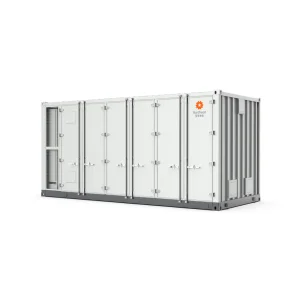
Our complete catalog of grid-scale containers is designed to support the dynamic voltage-frequency regulation thresholds specified by the Saudi Electricity Company. They are certified to meet regional SASO import directives.
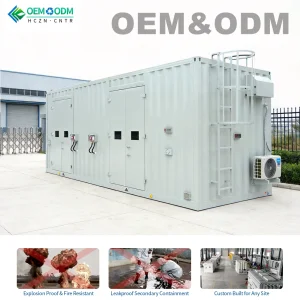
Built using structurally reinforced ISO-standard containers. Our thermal safety barriers and non-propagating container partitions prevent catastrophic thermal runaway events under extreme operating conditions.
We provide full documentation and structural layout assistance for local Saudi civil works contractors, ensuring smooth foundations, electrical cabling integration, and high-voltage grid coupling.
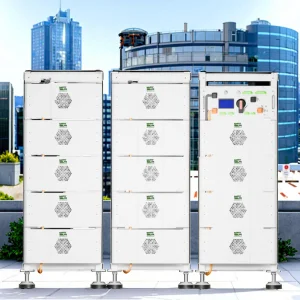
Exporters of premium LFP storage containers, high-voltage battery racks, and complete utility solutions for Riyadh developers.
Expert answers regarding compliance, thermal design, and system integration for Middle Eastern energy projects.
 Hudd Energy