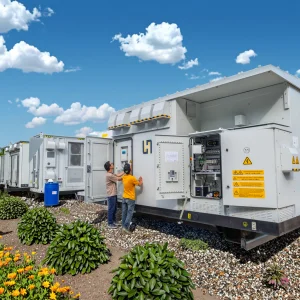
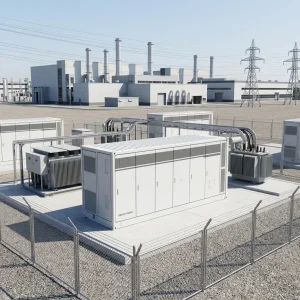
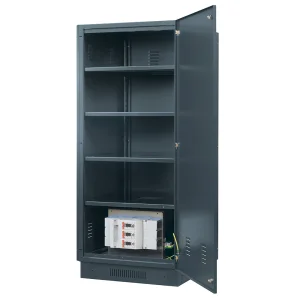
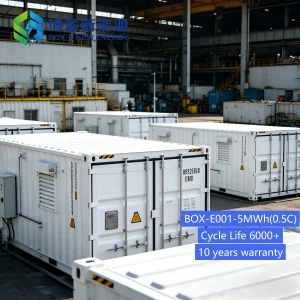
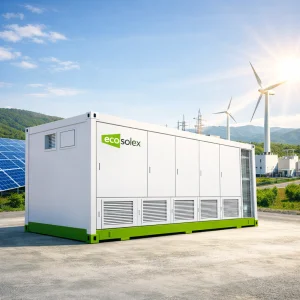
Immediate supply of high-capacity containerized systems designed for renewable integration and frequency regulation across Hungary.
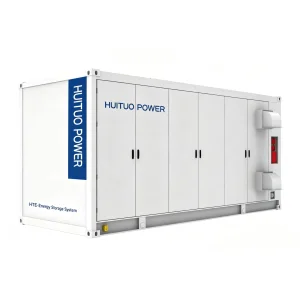
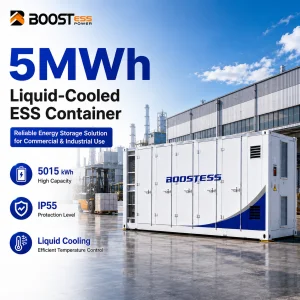
Under the revised National Energy and Climate Plan (NECP), Hungary is targeting significant integration of photovoltaic energy, aiming to exceed 12 GW of solar capacity by 2030. This rapid deployment of volatile solar power introduces severe challenges to the national transmission grid operated by MAVIR.
Grid-scale battery energy storage systems (BESS) have transitioned from alternative technology to mission-critical infrastructure in Hungary. Rapid frequency response (FCR), automatic frequency restoration reserve (aFRR), and peak shaving are essential to prevent network congestion, curtailment, and negative pricing. Subsidies and grid modernization programs backed by the Hungarian government and EU funding are directly driving the demand for utility-scale utility BESS projects.
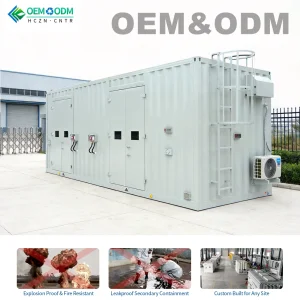
Our containerized solutions are engineered to comply with EN 50549, local grid codes, and environmental regulations, ensuring seamless integration with substation topologies across Hungary.
Globally, the utility-scale energy storage sector is entering a multi-gigawatt-hour era. To meet decarbonization targets, developers worldwide require high-density, liquid-cooled, and high-safety architectures to maximize return on investment (ROI).
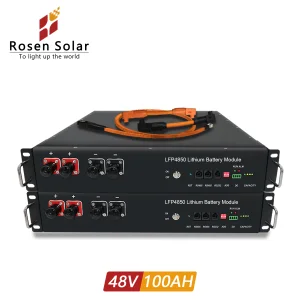
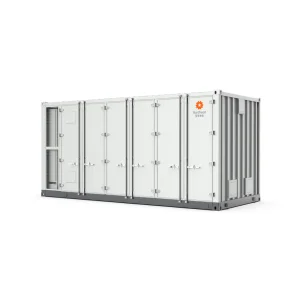
Modern global procurement prioritizes systems with certified thermal runaways (UL 9540A), minimal auxiliary consumption, and long cycle lives. At Guangdong Hudd Energy, we supply advanced integrated containers leveraging Tier 1 LFP cells with intelligent Battery Management Systems (BMS) and Energy Management Systems (EMS).
From microgrids in island applications to large-scale hybrid power stations, our engineering focuses on lowering the Levelized Cost of Storage (LCOS).
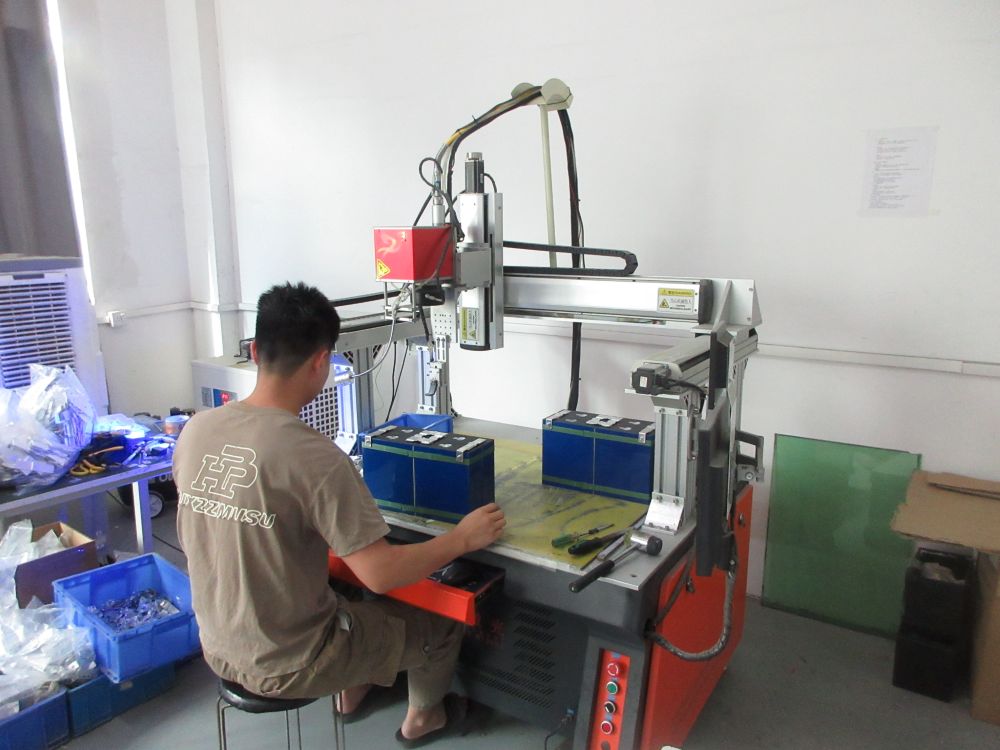
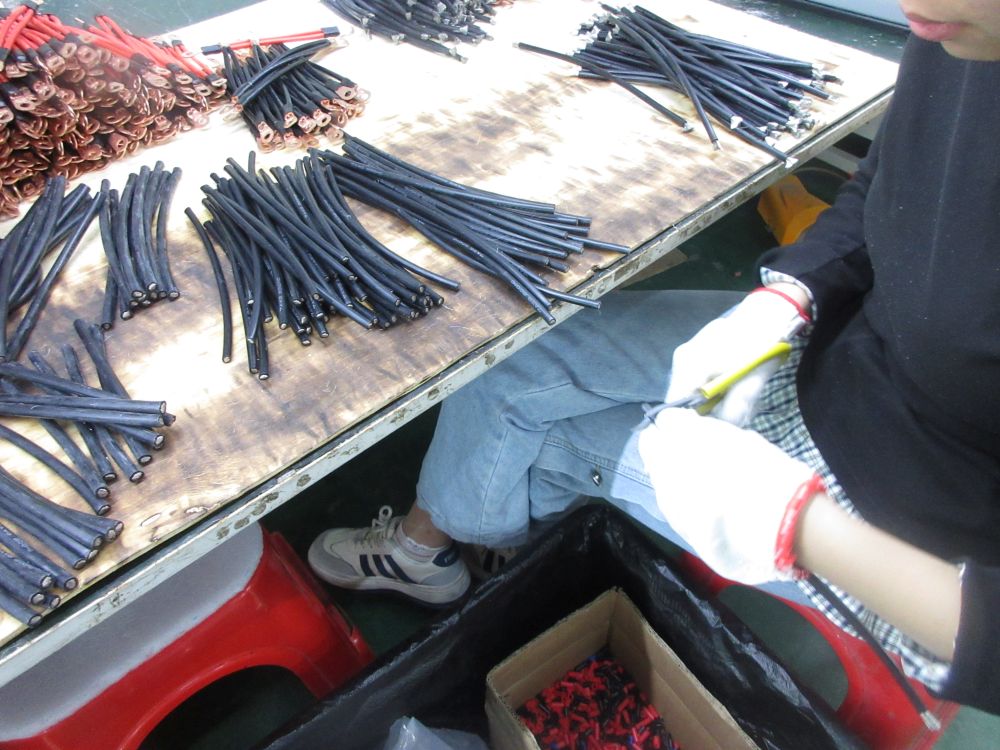
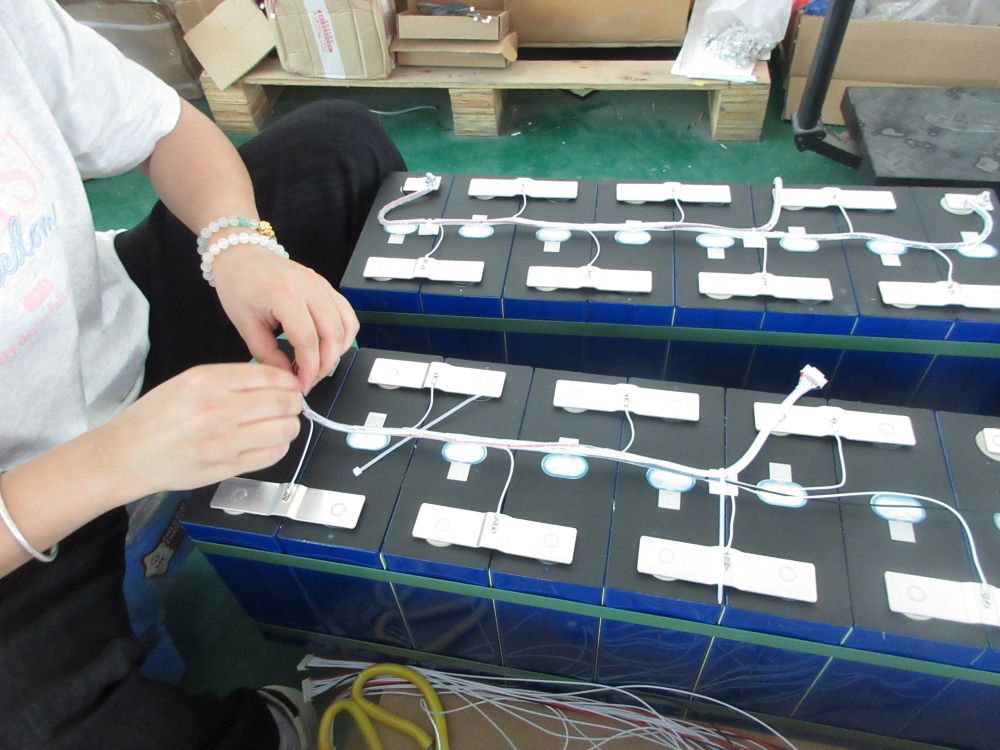
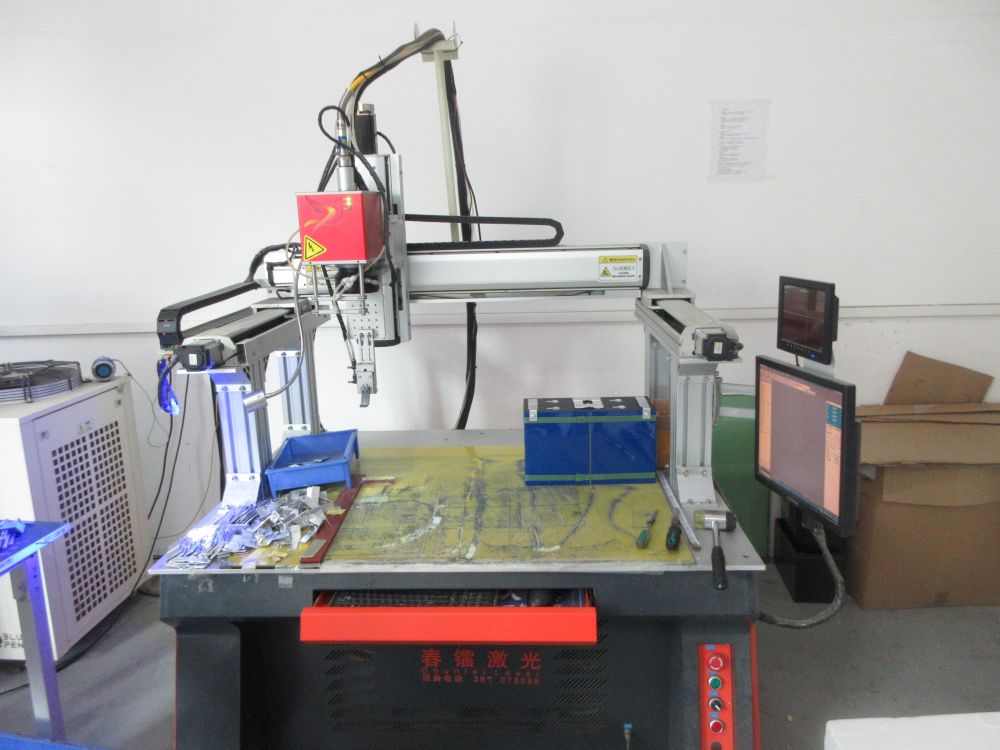
Our China-based advanced production facility utilizes cutting-edge automation, rigorous QA, and reliable supply chain networks to deliver premium utility BESS systems at optimal pricing.
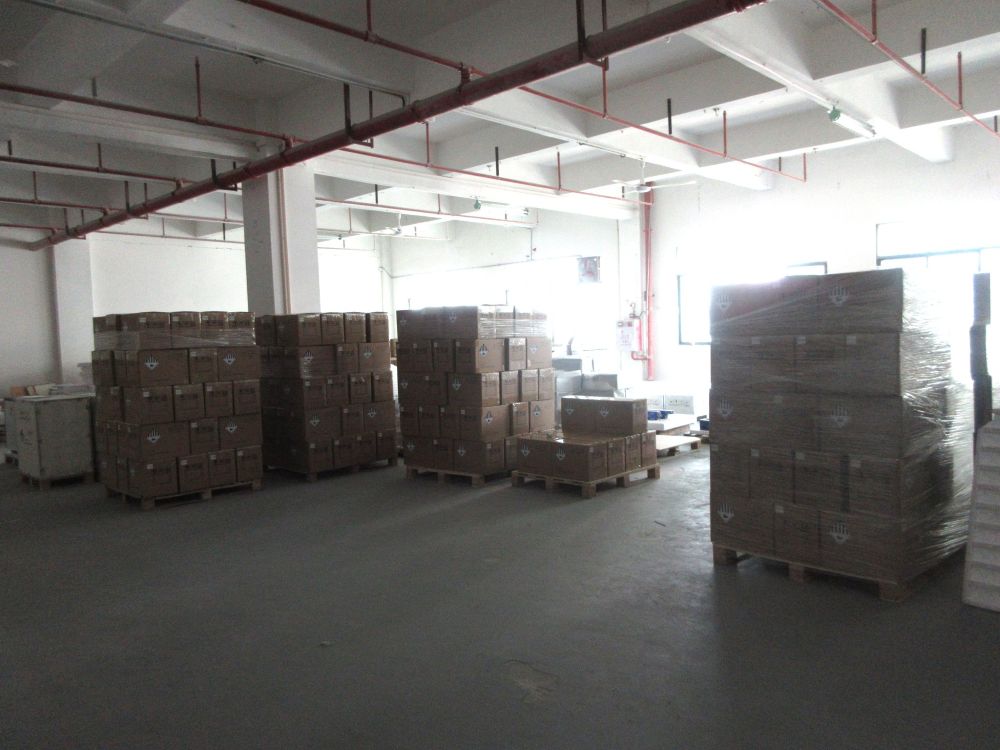
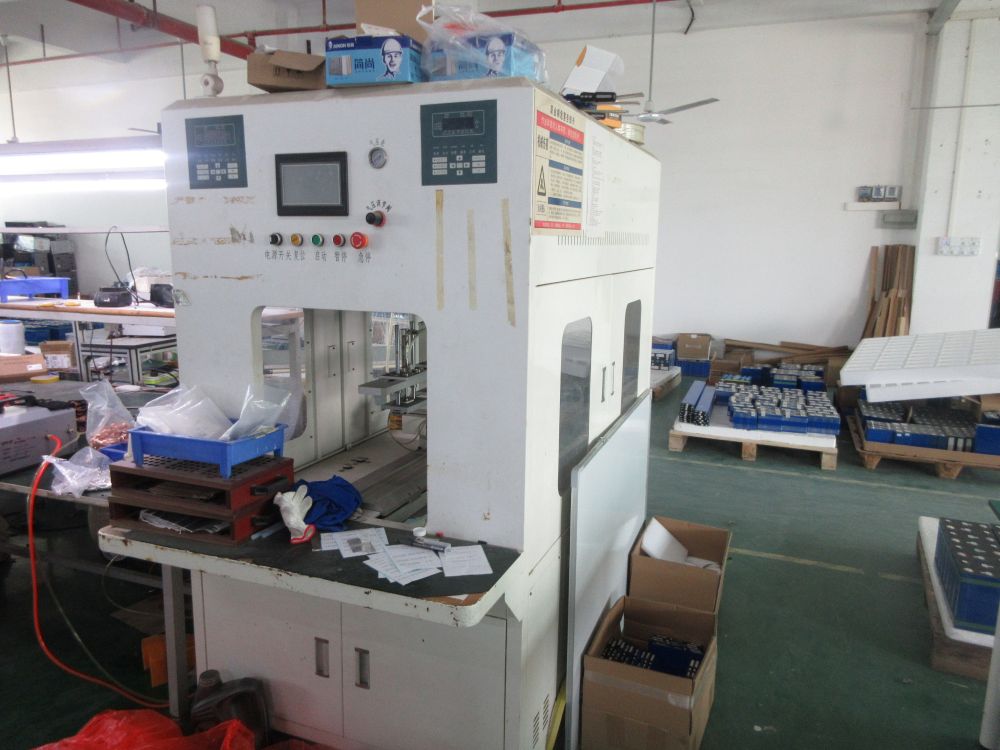
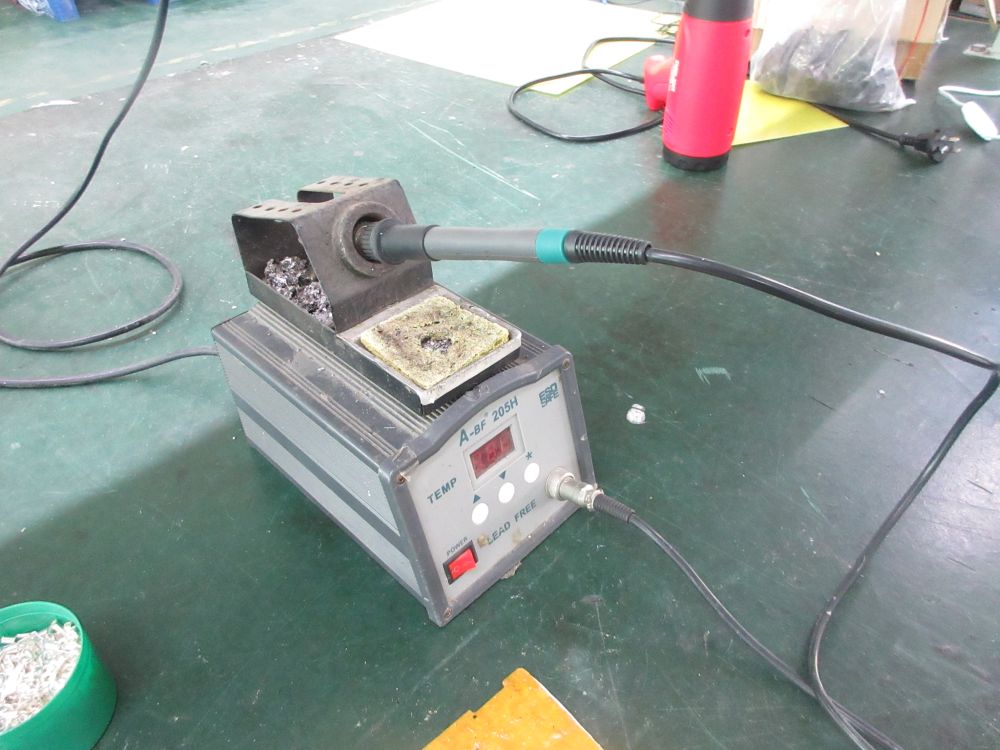
Guangdong Hudd Energy Co., Ltd. is a professional provider of renewable energy products, energy storage solutions, and integrated smart energy systems. The company specializes in the development, supply, and integration of advanced energy storage systems (ESS), solar power solutions, EV charging infrastructure, and integrated solar-storage-charging stations, delivering efficient, reliable, and sustainable energy solutions to customers worldwide.
Beyond supplying individual products, Hudd Energy offers comprehensive system integration services tailored to diverse project requirements. Leveraging extensive industry expertise, the company provides end-to-end support covering solution design, equipment selection, system integration, project management, commissioning, and after-sales services. This enables customers to implement optimized energy solutions with enhanced efficiency, performance, and long-term reliability.
With strong partnerships across China's manufacturing ecosystem, Hudd Energy benefits from a robust and competitive supply chain, ensuring high-quality products, stable delivery schedules, and cost-effective solutions. The company also maintains strategic cooperation with financial institutions and banking partners, providing flexible trade finance support and secure transaction services to facilitate the successful execution of international projects.
Connect with Our EngineersRobust solutions tailored for utility grids, microgrid setups, and demanding commercial & industrial (C&I) environments.
Direct answers from our engineering team regarding design, delivery, and compliance for Hungary-based energy projects.
Our containerized BESS installations are built in compliance with European standards, including EN 50549-1/2, CE marking, IEC 62619, and IEC 62477. We coordinate directly with local EPCs and engineering houses to satisfy MAVIR grid requirements.
Liquid cooling provides superior thermal uniformity across the cells (typically within a <3°C temperature differential). This prevents localized hot spots, slows down degradation, and increases system cycle life by up to 20% compared to traditional air-cooled configurations.
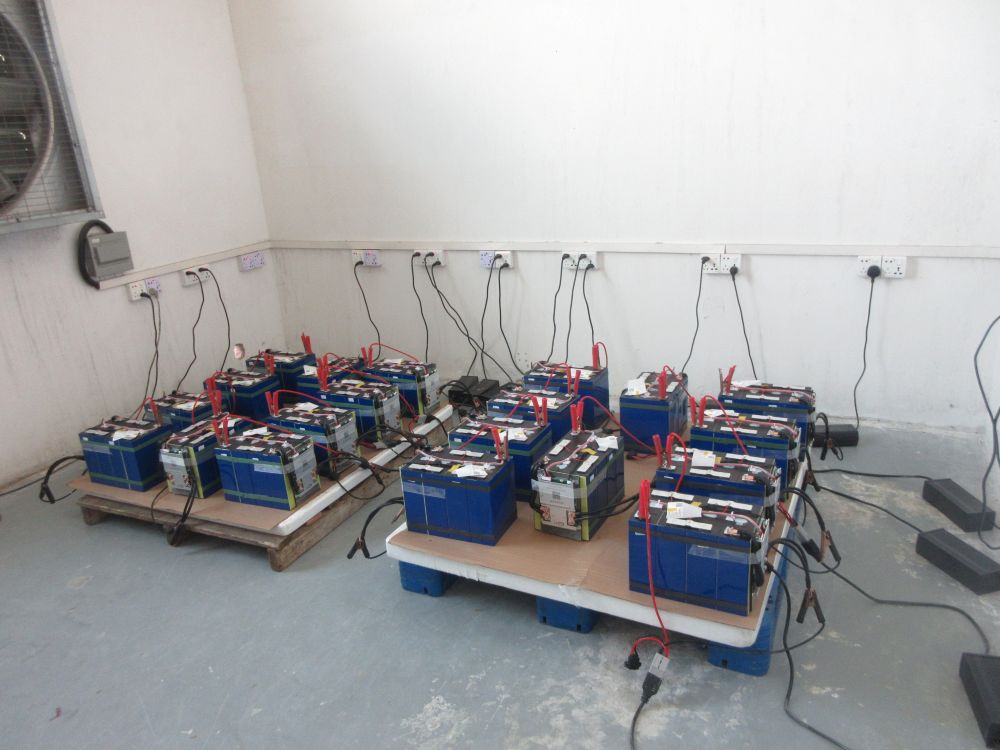
We perform 100% cell capacity and internal resistance screening, automated laser welding with real-time penetration tracking, comprehensive insulation and pressure testing, and multi-day charge/discharge testing on integrated containers before leaving our Guangdong facility.
Production cycles vary between 60 to 90 days depending on raw material allocations and configuration complexity (e.g., EMS integration or specific PCS requirements). Transits via maritime route to the port of Koper or overland routes generally take 35 to 45 days.
 Hudd Energy