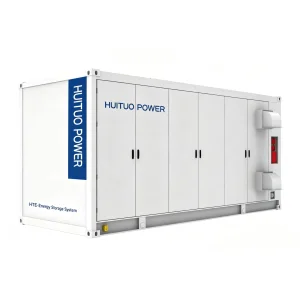
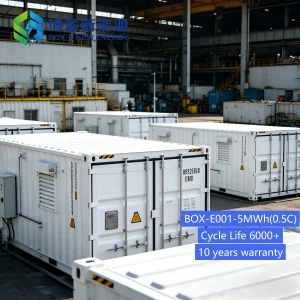
Designed to withstand the demanding thermal conditions of Western Australia, our primary tier of utility-scale energy storage systems integrates high-efficiency LFP technology and sophisticated Energy Management Software (EMS) for seamless dispatch and frequency containment capabilities.
The South West Interconnected System (SWIS) of Western Australia stands as a unique, isolated electricity grid operating under the jurisdiction of the Australian Energy Market Operator (AEMO) and Western Power. Unlike the National Electricity Market (NEM) covering Australia’s eastern seaboard, the SWIS has no physical interconnection with other states. It relies entirely on localized generation, transmission, and balancing. As Perth rapidly integrates higher shares of residential rooftop solar and utility-scale wind generation, the SWIS faces significant grid challenges: the prominent "duck curve" drop in midday operational demand, frequency stabilization concerns, and localized network congestion.
This high penetration of variable renewable energy (VRE) has motivated Western Australia to transition from traditional gas and coal base-load generation towards advanced energy storage portfolios. Grid-scale battery energy storage systems (BESS) are central to the state's Energy Transformation Strategy. BESS units are utilized to absorb excess daytime solar output and dispatch power during the evening peak demand (typically 5:00 PM to 9:00 PM). They also provide fast frequency response (FFR), system strength support, and voltage regulation across Perth's extensive distribution networks.
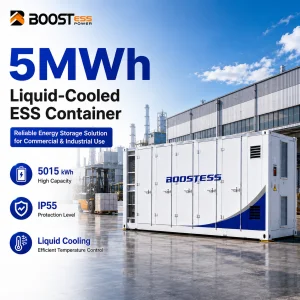
Perth experiences high summer ambient temperatures, routinely exceeding 40°C. Standard energy storage enclosures risk accelerated thermal degradation or safety curtailment under these conditions. Our liquid-cooled BESS containers employ intelligent thermal management systems that maintain cell temperature differentials under 3°C, ensuring optimal performance, maximizing lifecycle longevity, and mitigating the threat of thermal runaway.
Engineered for localized grid support, microgrid applications, and high-voltage industrial connections throughout the Perth metropolitan area and adjacent mining processing hubs.
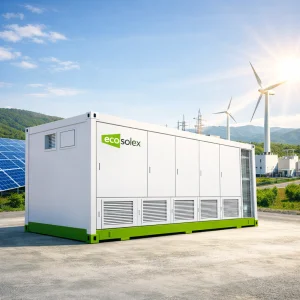
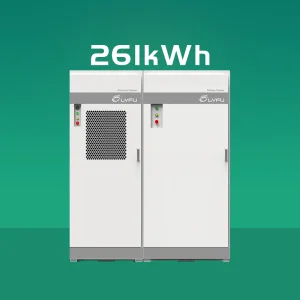
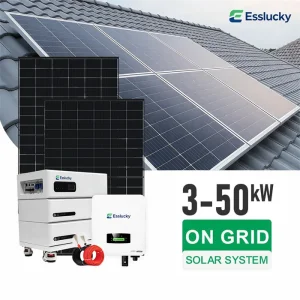
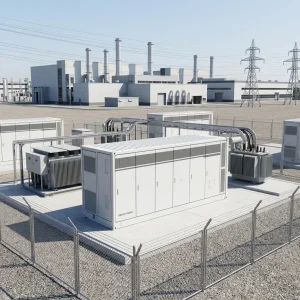
As system sizes scale up, the design choice between traditional air cooling and modern liquid cooling becomes a key differentiator for system performance. For high-density utility deployment in Western Australia, liquid-cooled architectures have largely replaced conventional air-cooled containers for several key reasons:
| Performance Indicator | Liquid-Cooled ESS Technology | Air-Cooled ESS Technology | Perth Operational Impact |
|---|---|---|---|
| Volumetric Energy Density | High (Up to 300+ kWh/m³) | Moderate (Approx. 150 kWh/m³) | Reduces substation footprint and civil construction costs in WA. |
| Cell Temperature Gradient | < 3.0°C difference between cells | < 5.0°C to 8.0°C difference | Uniform cell aging prevents early capacity imbalances. |
| Auxiliary Energy Consumption | Optimized thermal cycle (~3-4% load) | High cooling fan draw (~7-9% load) | Lowers parasitic operational expenses during prolonged heatwaves. |
| Ingress Protection | IP65 hermetically sealed cooling circuit | IP54 ventilation openings | Protects against Perth’s coastal salt mist and regional red iron dust. |
Guangdong Hudd Energy integrates Smart Energy Management Software (EMS) with our liquid-cooled systems to monitor cell parameters in real-time. This system interfaces with Western Power's grid dispatch signals via Modbus TCP or DNP3 protocol, allowing for fast-ramping power adjustments within milliseconds.
Deploying large-scale energy infrastructure in Western Australia requires compliance with rigorous national and state-level standards. Utility substation engineers and microgrid developers must navigate complex regulatory pathways to receive generation permits from AEMO and connection offers from Western Power.
All containerized BESS arrays are engineered to comply with AS/NZS 5139 standards. This governs electrical safety, structural barriers, thermal isolation, and fire control protocols in battery installations.
Our Power Conversion Systems (PCS) meet AS/NZS 4777.2 requirements for grid connection, ensuring capabilities like voltage ride-through, active power response to over-frequency, and reactive power control.
We design BESS controllers to meet Western Power Technical Rules, facilitating generator connection agreements for large-scale operations under the Wholesale Electricity Market (WEM).
To facilitate project execution, Guangdong Hudd Energy collaborates with engineering partners across Australia. We offer local pre-commissioning support, compliance validation, and direct consulting services for grid connection applications. This approach reduces engineering risks and accelerates project timelines for project developers.
Guangdong Hudd Energy Co., Ltd. is a professional provider of renewable energy products, energy storage solutions, and integrated smart energy systems. The company specializes in the development, supply, and integration of advanced energy storage systems (ESS), solar power solutions, EV charging infrastructure, and integrated solar-storage-charging stations, delivering efficient, reliable, and sustainable energy solutions to customers worldwide.
Beyond supplying individual products, Hudd Energy offers comprehensive system integration services tailored to diverse project requirements. Leveraging extensive industry expertise, the company provides end-to-end support covering solution design, equipment selection, system integration, project management, commissioning, and after-sales services. This enables customers to implement optimized energy solutions with enhanced efficiency, performance, and long-term reliability.
With strong partnerships across China's manufacturing ecosystem, Hudd Energy benefits from a robust and competitive supply chain, ensuring high-quality products, stable delivery schedules, and cost-effective solutions. The company also maintains strategic cooperation with financial institutions and banking partners, providing flexible trade finance support and secure transaction services to facilitate the successful execution of international projects.
Hudd Energy's product portfolio serves a wide range of applications, including residential, commercial, industrial, utility-scale energy storage projects, electric vehicle charging networks, and distributed renewable energy systems. The company is committed to helping customers reduce energy costs, improve energy independence, and achieve their sustainability goals.
Over the years, Guangdong Hudd Energy has successfully expanded its presence in international markets, particularly in Southeast Asia, South America, the Middle East, and Africa, earning the trust and recognition of clients through reliable products, professional services, and long-term partnerships. Looking ahead, Guangdong Hudd Energy Co., Ltd. will continue to drive innovation in clean energy technologies, strengthen its global market presence, and contribute to the worldwide transition toward a greener, smarter, and more sustainable energy future.
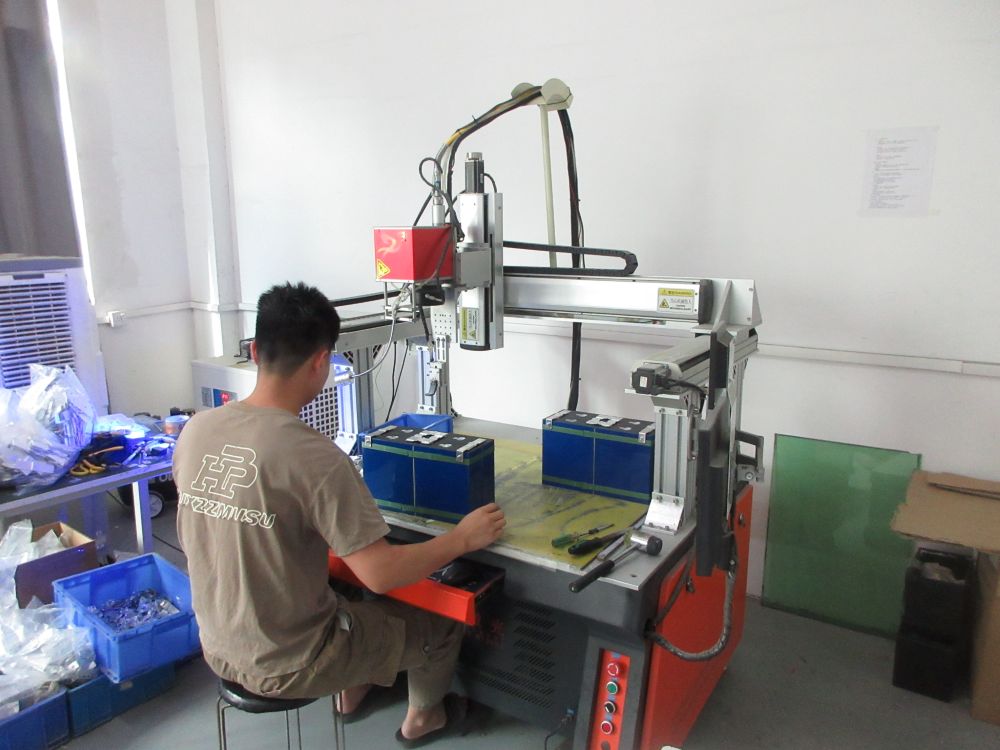
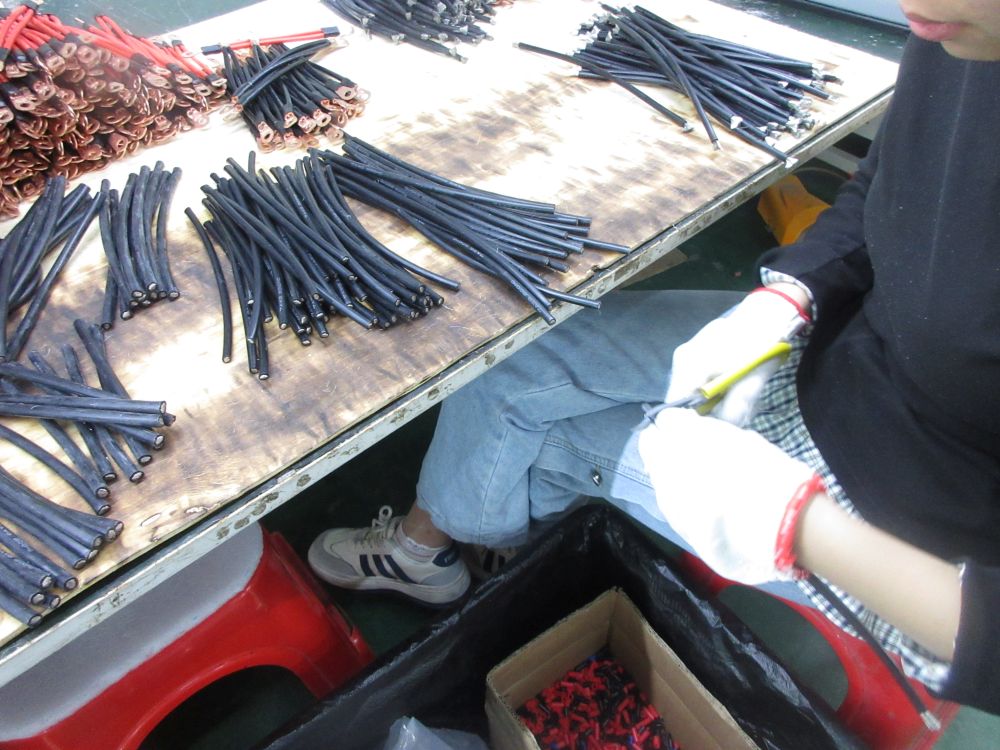
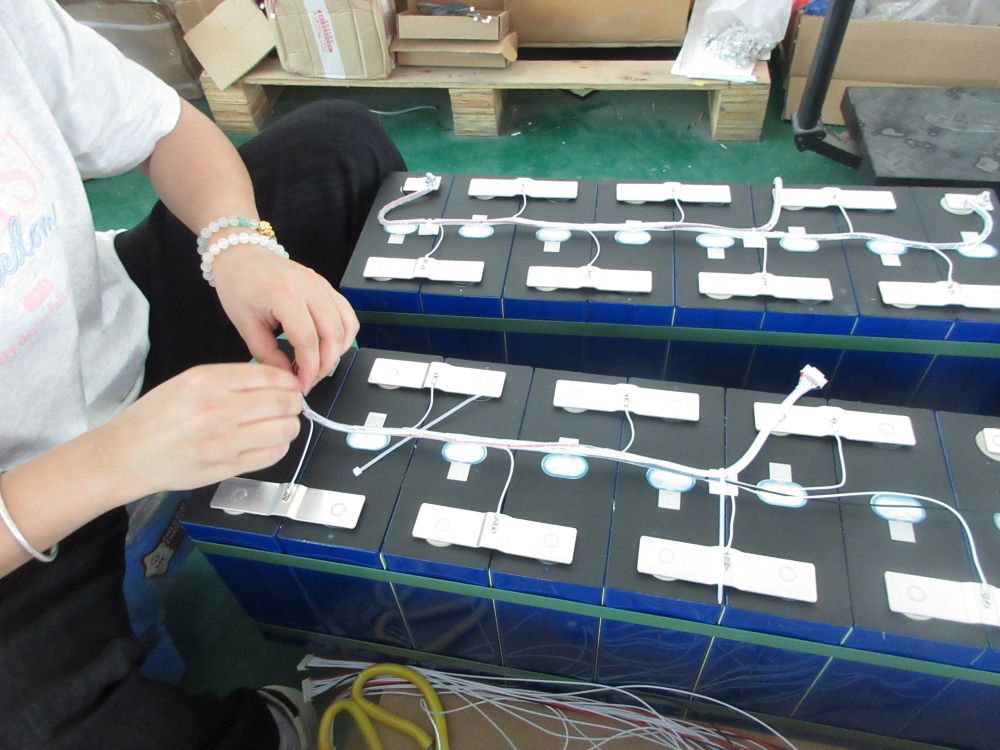
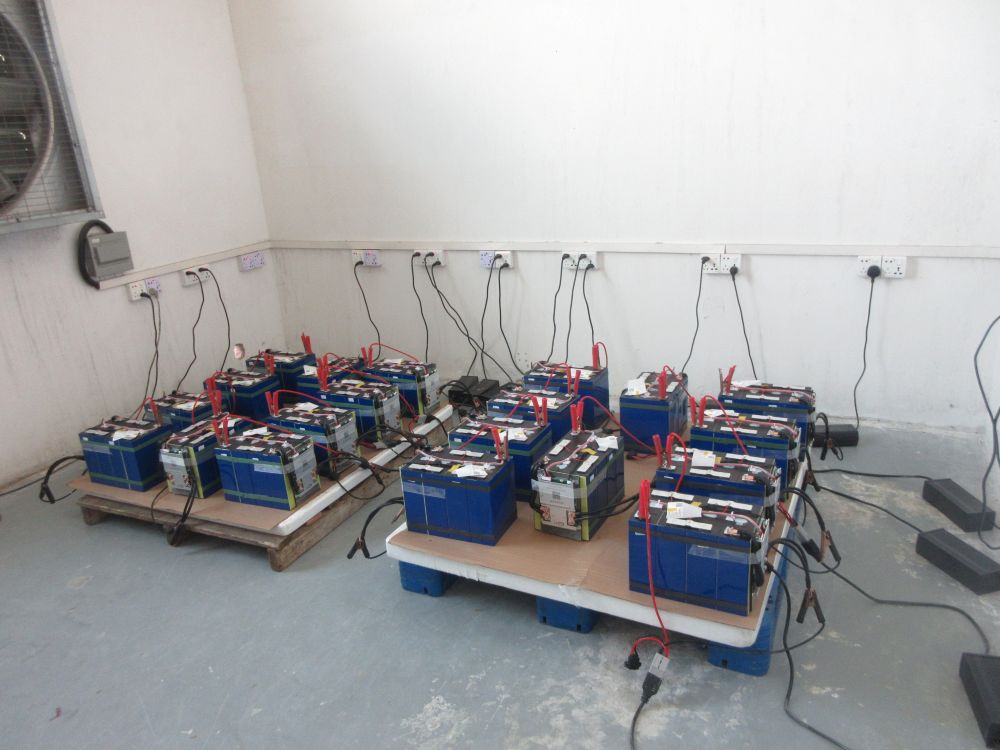
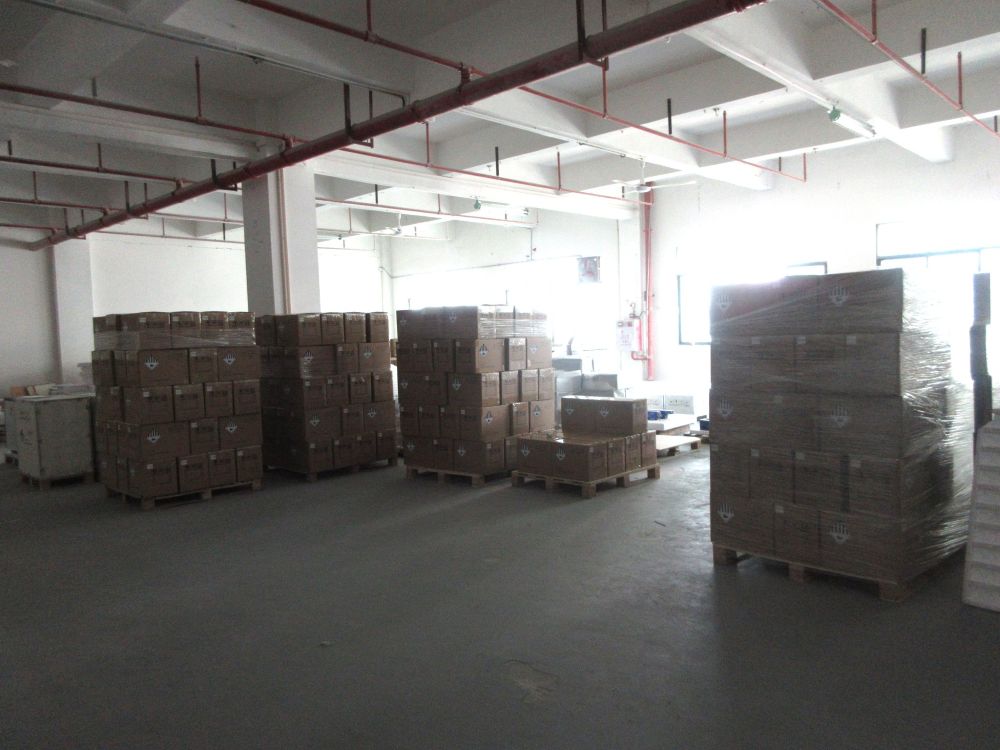
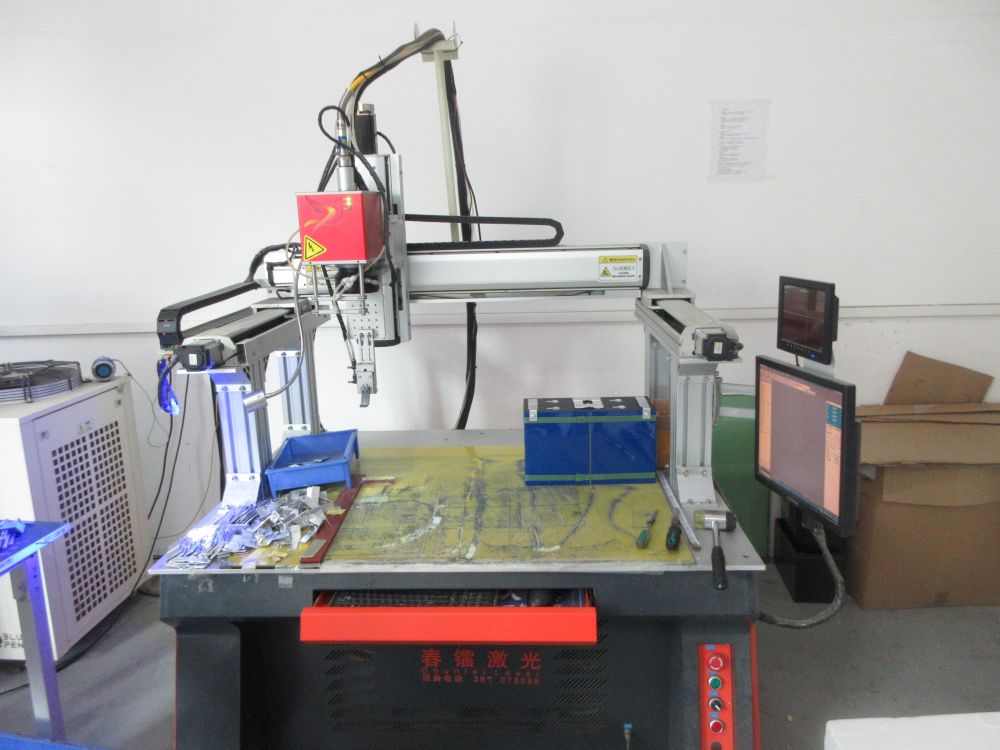
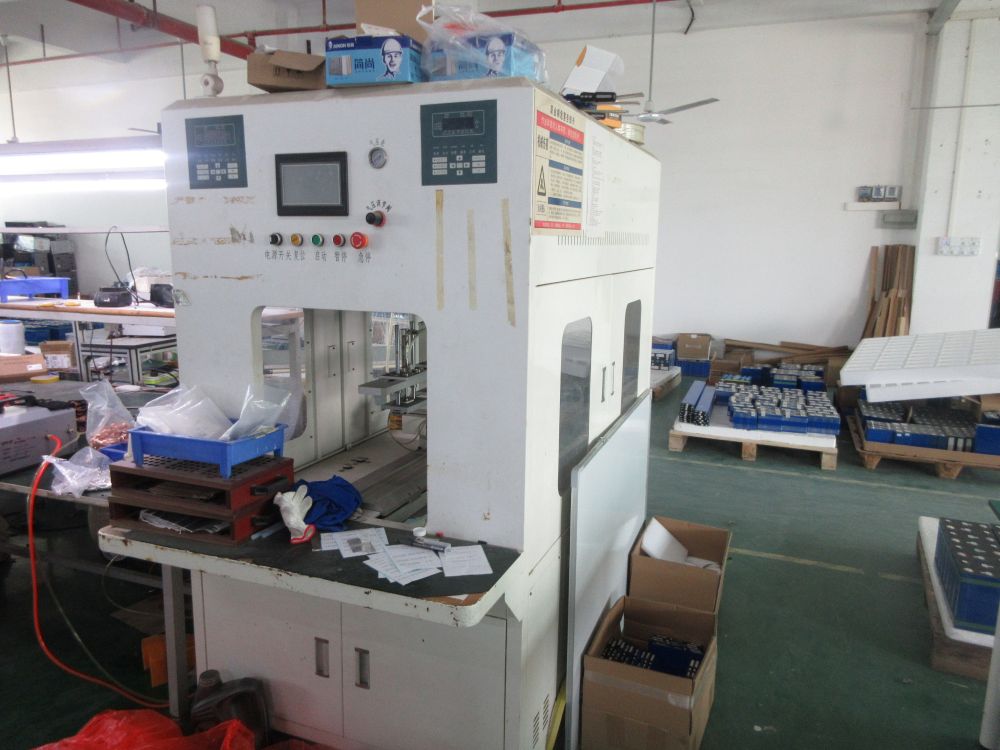
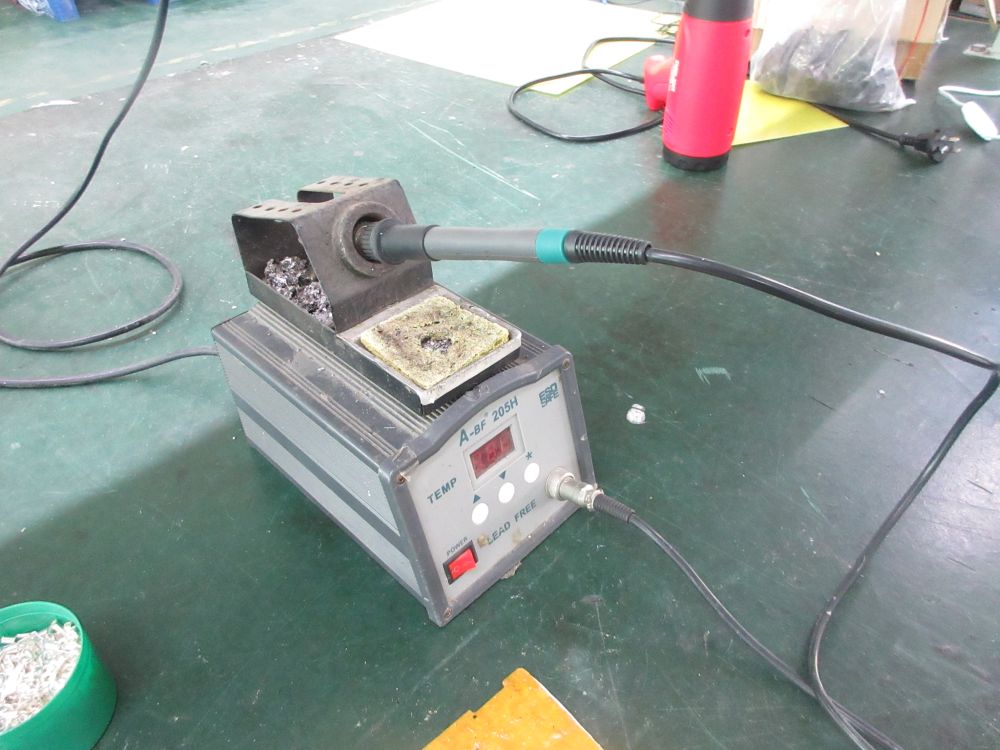
Our manufacturing facilities in China leverage automated, high-precision assembly lines to ensure durability and performance. Each stage is strictly monitored to deliver highly reliable battery packs and enclosures.
Deploying utility-scale battery energy storage systems (BESS) in Western Australia relies on a strong economic foundation. The state's Wholesale Electricity Market (WEM) and reserve capacity mechanisms offer multiple revenue streams that developers can leverage to achieve favorable investment returns:
The RCM pays generators and storage providers to ensure system availability during periods of peak demand. High-reliability BESS installations can secure stable, long-term capacity payments from AEMO, establishing a reliable revenue baseline.
With negative pricing during peak solar production hours, BESS operators can charge their systems at low or negative costs and discharge during high-priced evening peaks, capturing significant arbitrage spreads.
BESS technology excels at offering frequency co-optimised control services, responding to grid fluctuations within milliseconds to stabilize frequency deviations and prevent system-wide outages.
By combining these primary and secondary revenue streams, project developers can offset initial capital expenditures within short payback periods. Guangdong Hudd Energy's cost-effective manufacturing processes, combined with our logistics capabilities, help lower initial CAPEX, supporting competitive Levelized Cost of Storage (LCOS) figures for project proposals.
Liquid-cooled systems route specialized coolant directly adjacent to the battery cells, which delivers heat transfer rates up to 25 times higher than air systems. This design reduces thermal variance across the container, limits parasitic fan power consumption, and helps extend battery lifetime. The approach is particularly suited to hot summer conditions in Perth and Western Australia.
Yes. Our containerized utility-scale configurations are designed to comply with Western Power Technical Rules, AEMO standards, and key Australian requirements (such as AS/NZS 5139 and AS/NZS 4777.2). We collaborate with local engineering and EPC groups to ensure smooth integration with the SWIS grid.
Our battery storage enclosures incorporate multi-stage safety layers. We use stable Lithium Iron Phosphate (LiFePO4) chemistry and deploy advanced Battery Management Systems (BMS) for cell-level monitoring of voltage, current, and temperature. The physical enclosures feature internal gas detection, automated fire suppression agents (such as Novec 1230 or FM200), and integrated structural explosion-relief venting.
Absolutely. Our systems feature grid-forming capabilities and black start functions, allowing them to anchor remote microgrids. They help stabilize hybrid solar, wind, and diesel generation layouts at regional mining and processing facilities in WA, reducing fuel dependency and lowering operational carbon footprints.
We coordinate with commercial banks and financial partners to offer flexible trade financing, including letters of credit (L/C), telegraphic transfer terms (T/T), and structured payments for qualified energy infrastructure projects.
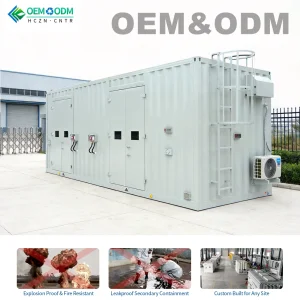
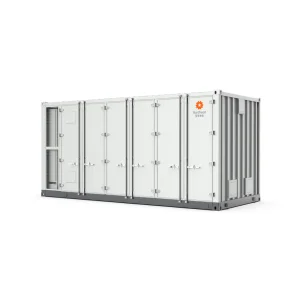
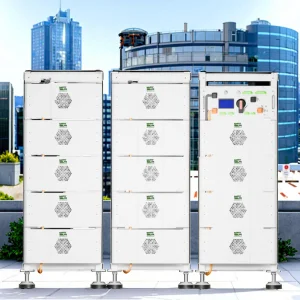
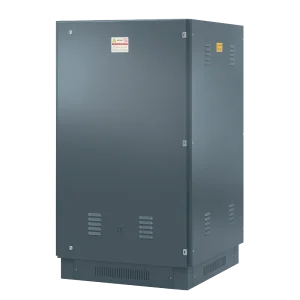
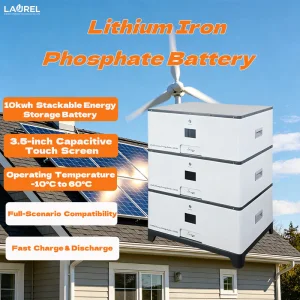
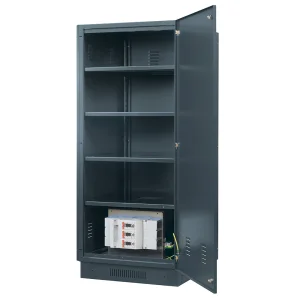
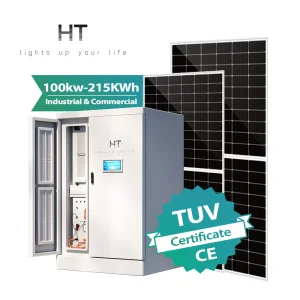
Explore our complete portfolio of energy storage options, ranging from containerized enclosures to modular, high-voltage battery cabinets for utility and commercial projects.
 Hudd Energy