High-efficiency hybrid inverters, utility-scale containerized BESS, and modular lithium battery solutions engineered for seamlessly integrated power networks.
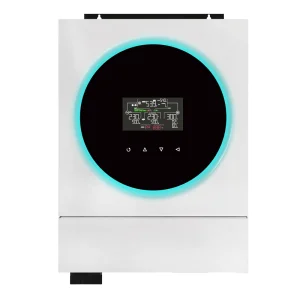
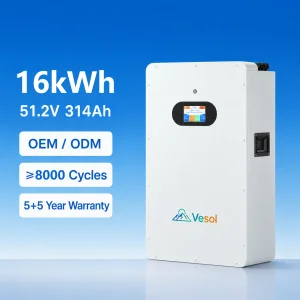
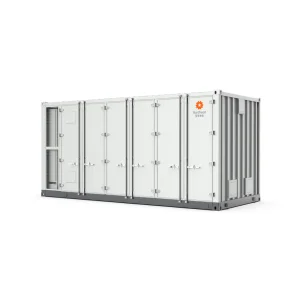
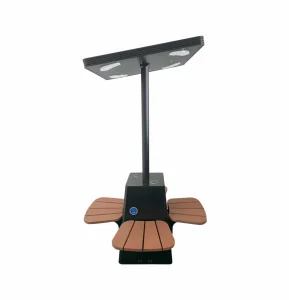
The global energy landscape is undergoing an unprecedented structural transformation. Driven by international decarbonization mandates, volatile fossil fuel markets, and the rapid electrification of industrial processes, **Grid-Connected Battery Energy Storage Systems (BESS)** have evolved from optional ancillary equipment into fundamental utility and enterprise infrastructure. Modern energy grids face critical challenges: intermittent generation profiles from high-penetration solar PV and wind assets, severe localized transmission congestion, and degrading synthetic inertia.
To evaluate the **Top 10 Grid Connected Storage Factories & Suppliers**, energy engineering firms, Independent Power Producers (IPPs), and Procurement Directors must look beyond initial Capital Expenditure (CAPEX). Superior suppliers are now benchmarked by their system-level energy density, round-trip efficiency (RTE), cycle life degradation algorithms, grid-forming inverter technology, and robust thermal mitigation protocols.
Four key technological vectors define the current standard for commercial and utility grid-tied storage implementations:
When calculating Levelized Cost of Storage (LCOS), cell-level degradation curves under real-world climate profiles outweigh nominal cell price discounts. Tier-1 manufacturers provide validated 8,000 to 10,000 cycle guarantees backed by bankable third-party technical audit reports (e.g., DNV GL, TÜV Rheinland), ensuring project bankability for global infrastructure funds.
A rigorous OEM/ODM auditing framework built on engineering compliance, quality control automation, and system integration excellence.
Determining the top tier of grid-connected energy storage factories requires evaluating systemic capabilities across engineering, production automation, supply chain resilience, and global service footprints. Below is the multi-dimensional framework utilized by utility procurement teams to qualify top-tier manufacturing partners:
| Evaluation Vector | Industry Baseline Standard | Tier-1 Supplier Leadership Benchmark | Risk Mitigation Impact |
|---|---|---|---|
| Cell Chemistry & Quality | 280Ah LiFePO4 cells (<6,000 cycles) | Grade-A 314Ah Prismatic LFP (≥8,000 cycles @ 80% DoD) | Prevents premature capacity fade and structural delamination. |
| Thermal Control Architecture | Forced Air Cooling (ΔT ≤ 5°C) | Smart Liquid Cooling with Ethylene Glycol Loops (ΔT ≤ 2.5°C) | Eliminates thermal runaway risk and equalizes aging rates across packs. |
| PCS Grid Interconnection | Grid-Following Inverters with Basic Compliance | Grid-Forming PCS with Synthetic Inertia & Black Start Capability | Ensures grid stability under high renewable disturbance conditions. |
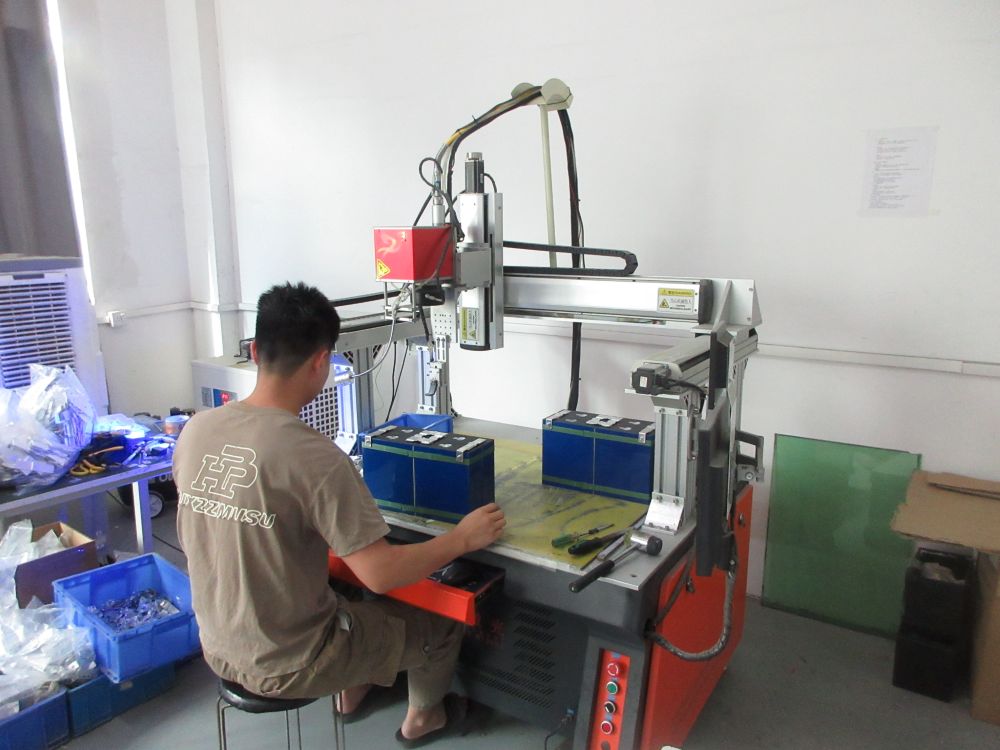
| Manufacturing Automation | Semi-automated manual pack assembly | Fully automated Industry 4.0 Robotics, Laser Spot Welding, Automated Testing | Guarantees minimal internal contact resistance and micro-defect rates. |
| Safety & Fire Compliance | Basic UL1973 module compliance | Full System UL9540, UL9540A, NFPA 855, IEC 62619 Certifications | Accelerates local authority (AHJ) project permitting and insurability. |
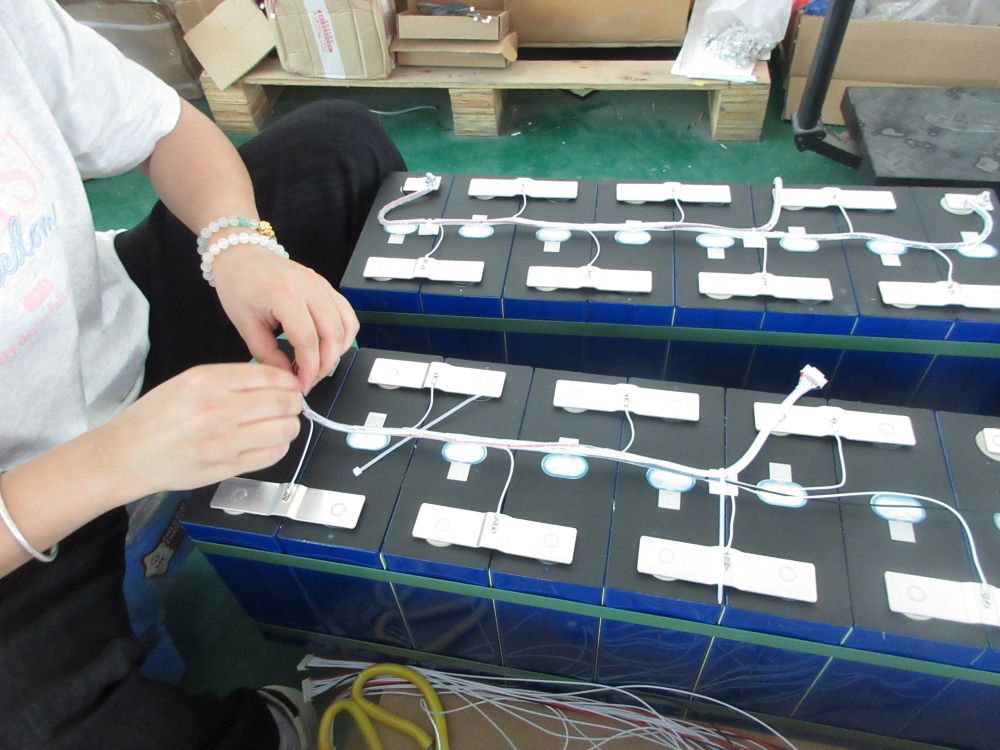
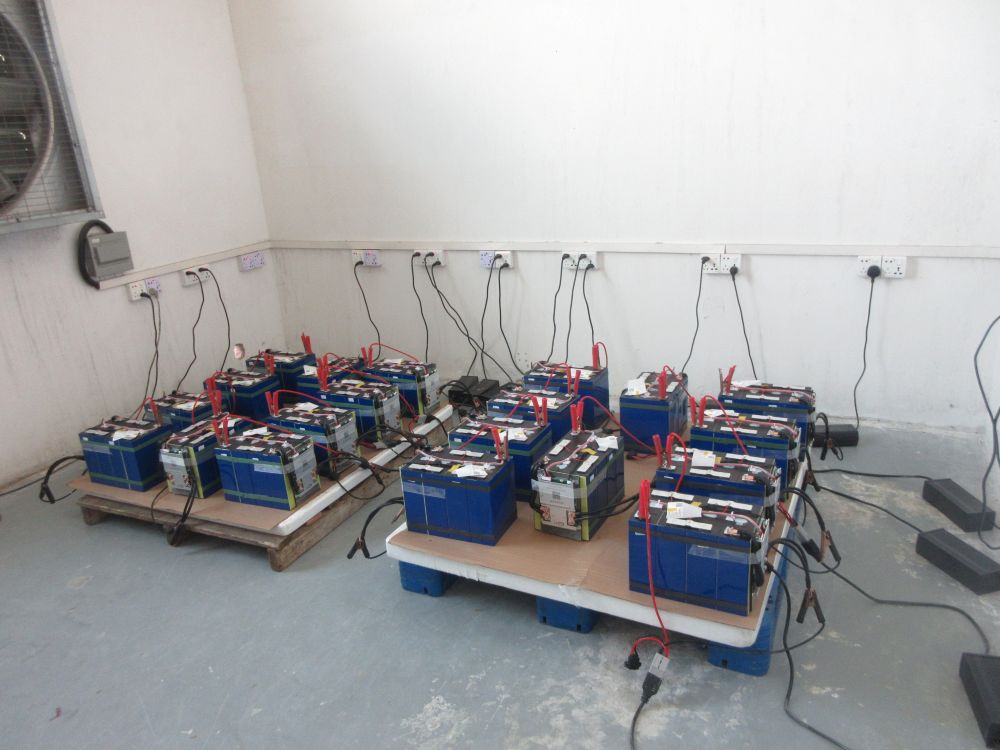
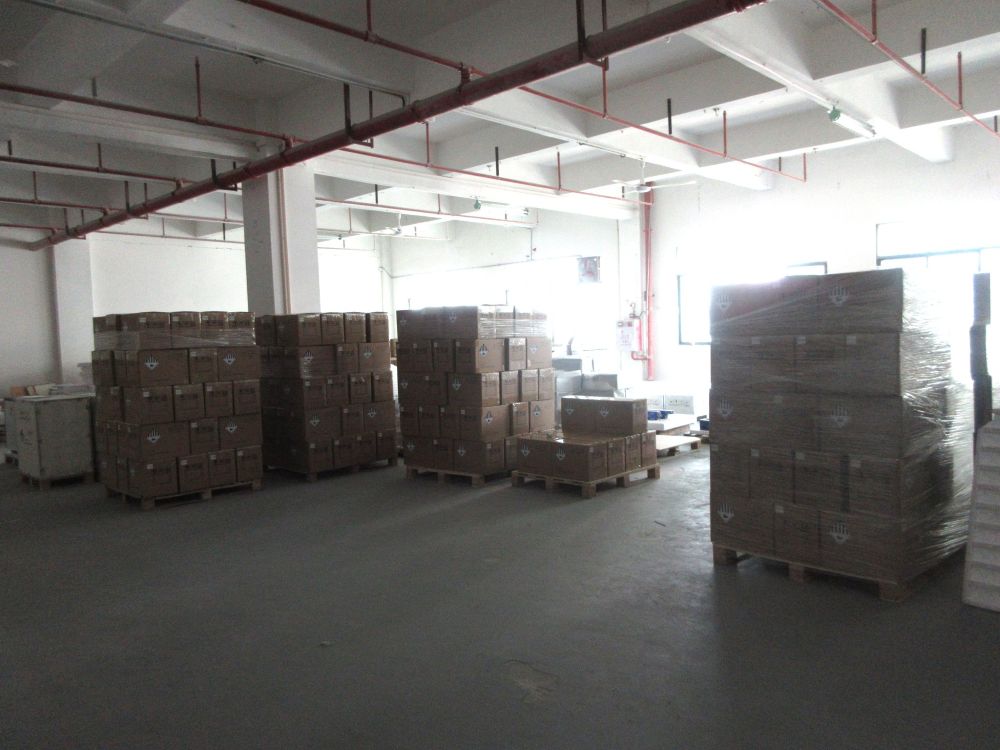
Inside Guangdong Hudd Energy’s advanced manufacturing facility: Unlocking unprecedented supply chain resilience, automated quality control, and turn-key BESS system integration.
Guangdong Hudd Energy Co., Ltd. is a professional provider of renewable energy products, energy storage solutions, and integrated smart energy systems. The company specializes in the development, supply, and integration of advanced energy storage systems (ESS), solar power solutions, EV charging infrastructure, and integrated solar-storage-charging stations, delivering efficient, reliable, and sustainable energy solutions to customers worldwide.
Beyond supplying individual components, Hudd Energy offers comprehensive system integration services tailored to diverse project requirements. Leveraging extensive industry expertise, the company provides end-to-end support covering solution design, equipment selection, system integration, project management, commissioning, and after-sales service. This enables customers to implement optimized energy solutions with enhanced efficiency, performance, and long-term reliability.
With strong partnerships across China's manufacturing ecosystem, Hudd Energy benefits from a robust and competitive supply chain, ensuring high-quality products, stable delivery schedules, and cost-effective solutions. The company also maintains strategic cooperation with financial institutions and banking partners, providing flexible trade finance support and secure transaction services to facilitate the successful execution of international infrastructure projects.
Hudd Energy's product portfolio serves a wide range of applications, including residential, commercial, industrial, utility-scale energy storage projects, electric vehicle charging networks, and distributed renewable energy systems. The company is committed to helping customers reduce energy costs, improve energy independence, and achieve their sustainability goals across key markets in Southeast Asia, South America, the Middle East, and Africa.
Achieving zero-defect production in high-voltage lithium storage systems requires strict adherence to Industry 4.0 automated processing nodes. Every battery pack manufactured at Guangdong Hudd Energy undergoes computerized quality checks across all stages of production:

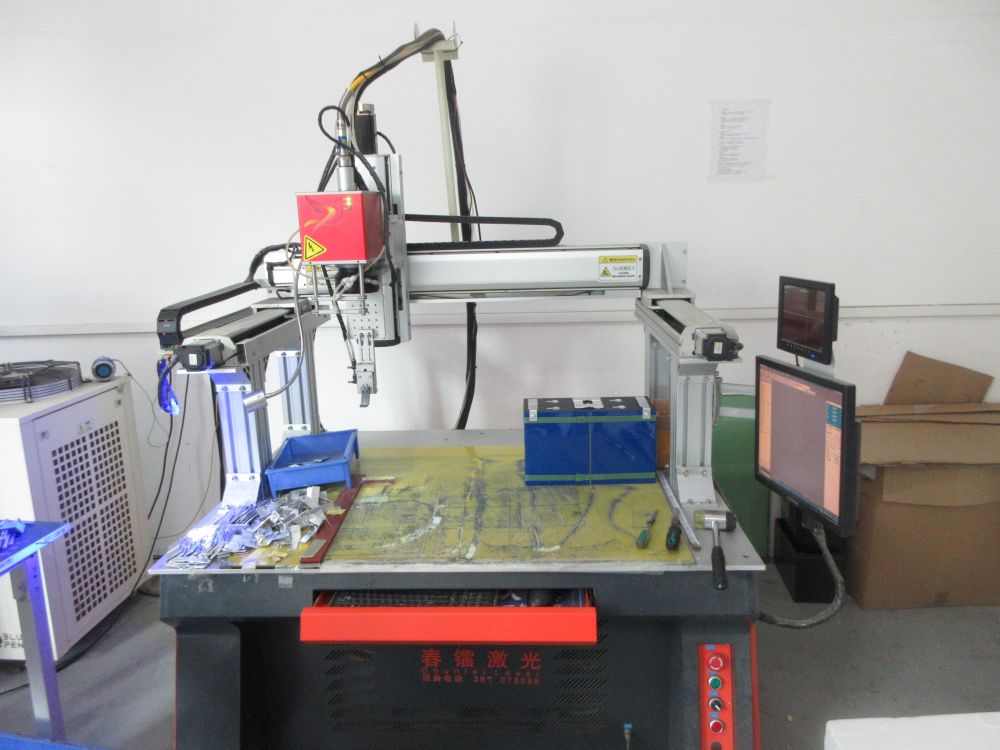
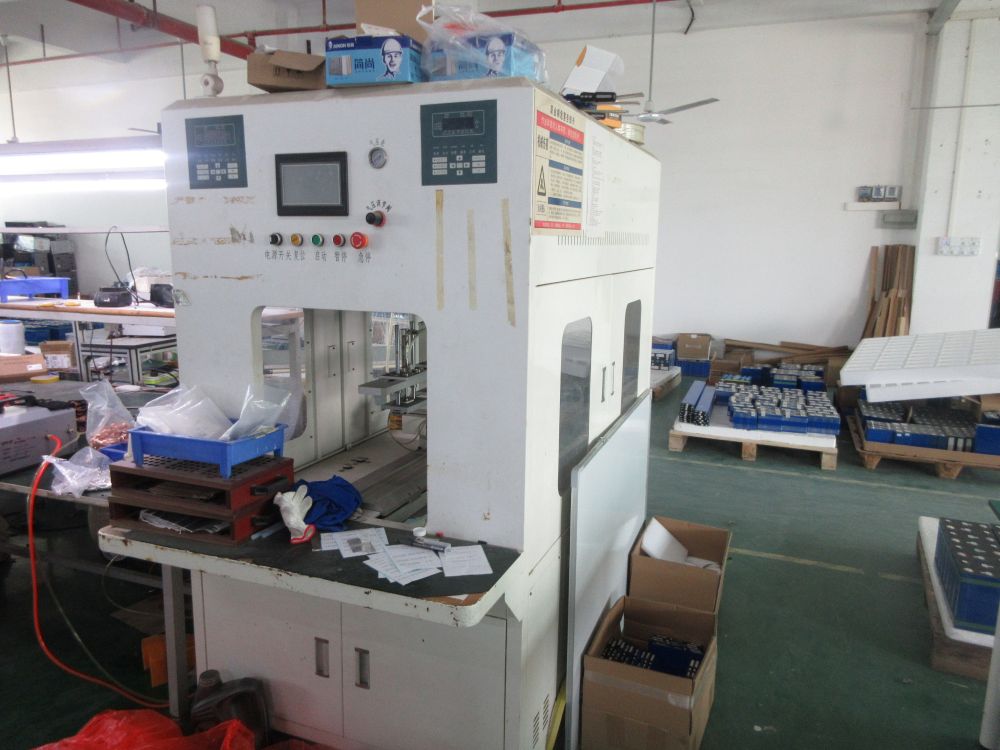
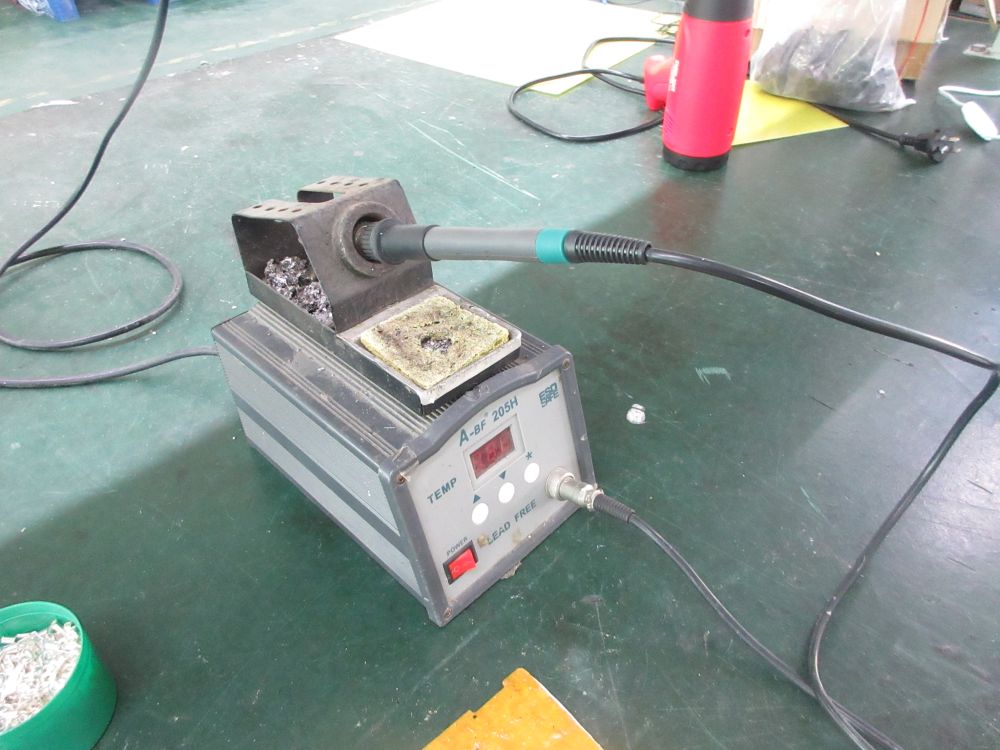
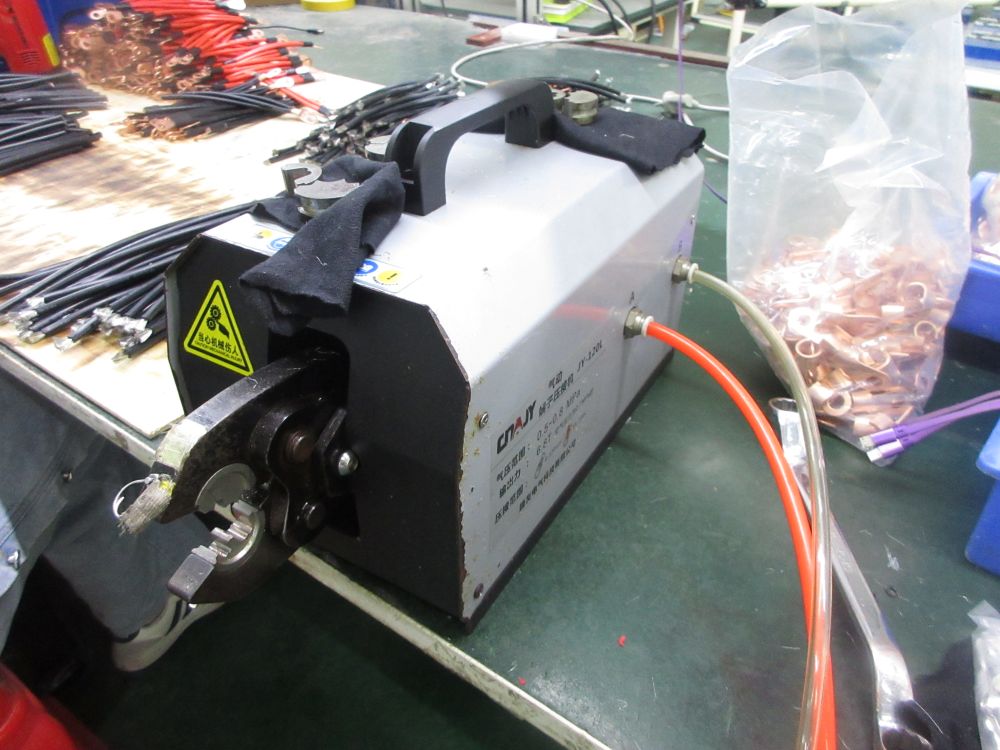
From utility-scale peak shaving in North America to off-grid industrial microgrids in emerging economies.
Grid-connected battery energy storage solutions are not one-size-fits-all. Different geographical regions present unique regulatory hurdles, power stability issues, and financial incentive structures:
In high-penetration solar and wind regions (such as California CAISO, Western Europe, and South Australia), 2.5MW to 5MWh containerized BESS offer rapid millisecond frequency response, curtailment mitigation, and peak load shifting.
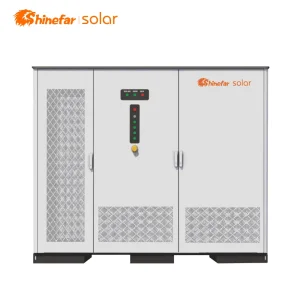
Manufacturing plants, data centers, and cold storage facilities utilize 100kW to 1250kW cabinet solutions to reduce demand charges, participate in Virtual Power Plant (VPP) demand response programs, and ensure uninterruptible operations during grid outages.
As EV adoption accelerates, existing local distribution transformers often lack the headroom for Ultra-Fast Chargers. Integrated battery storage acts as a buffer, charging at low power rates and discharging at up to 400kW during fast-charging sessions.
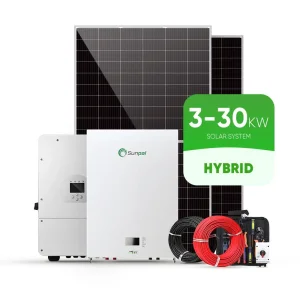
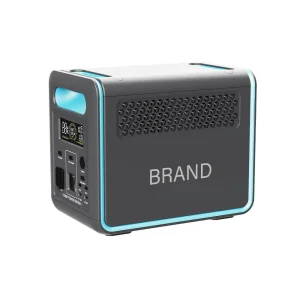
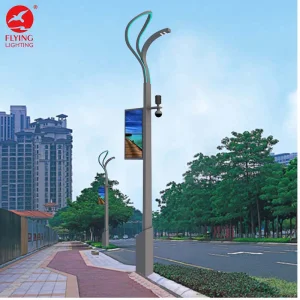
Explore flexible modular batteries, off-grid hybrid energy storage kits, and industrial light towers engineered by leading suppliers.
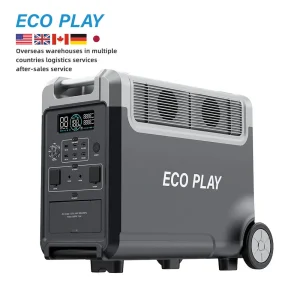
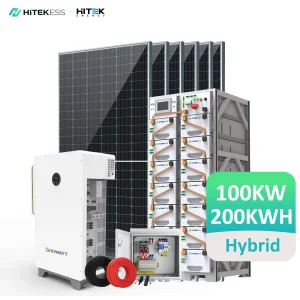
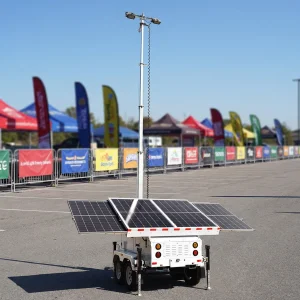
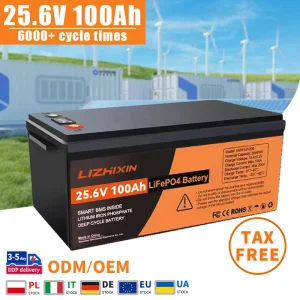
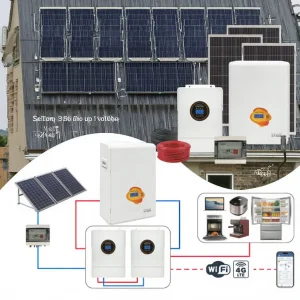
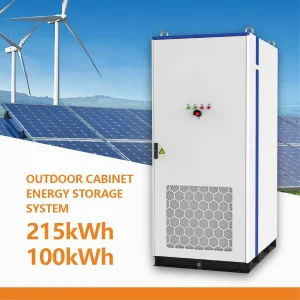
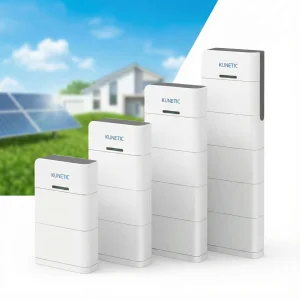
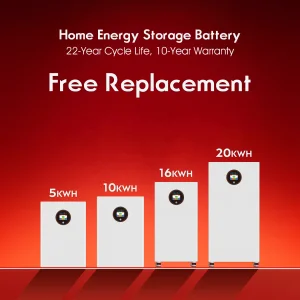
Before issuing an RFP or executing off-take contracts with grid-connected storage suppliers, global engineering procurement teams should conduct strict technical due diligence across four core pillars:
Global grid codes vary significantly—from North America’s IEEE 1547 and UL standards to Europe’s EN 50549. Guangdong Hudd Energy offers fully customized OEM/ODM integration support, enabling EPC partners to tailor voltage ranges (48V low-voltage up to 1500V high-voltage containerized systems), custom CAN/RS485/Modbus communication protocols, and specialized thermal enclosures to local regulatory standards.
Expert technical insights regarding grid-connected energy storage system design, sourcing, and deployment.
 Hudd Energy