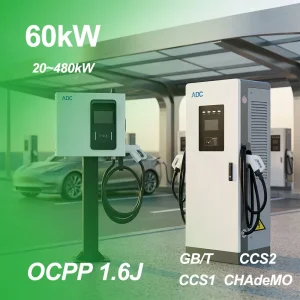
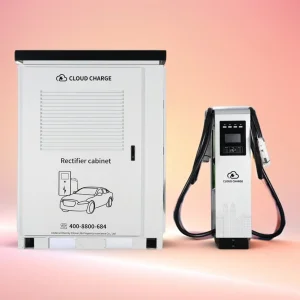
Engineered for instant deployment and high-efficiency power distribution across Kiribati's unique remote atoll terrains.
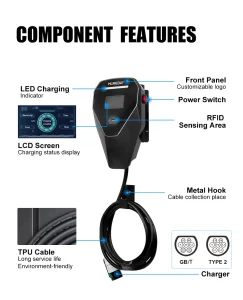
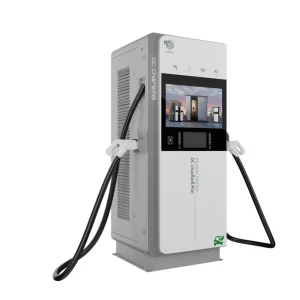
Kiribati, an equatorial nation comprised of 32 low-lying coral atolls and one raised island, is standing at a critical juncture in its energy evolution. With geographical fragmentation stretching across 3.5 million square kilometers of the Pacific Ocean, the country faces unparalleled logistical challenges concerning fossil fuel import reliance. The high cost of importing diesel fuels combined with the environmental urgency of global warming dictates a rapid shift to localized, clean energy infrastructures.
Electric vehicle (EV) uptake in the administrative hub of South Tarawa and outer islands like Kiritimati (Christmas Island) has emerged as a key pillar in the nation's Kiribati Integrated Energy Roadmap (KIER). However, standard EV charging networks are notoriously vulnerable to grid instability, high saline sea-spray corrosion, and limited electrical capacity. The integration of Solar-Powered EV Charging Stations equipped with decentralized Battery Energy Storage Systems (BESS) provides the ultimate off-grid and hybrid energy infrastructure solution.
Deploying energy hardware in Kiribati requires meticulous design considerations. Standard industrial charging units deteriorate within months when exposed to the continuous humidity, high-density salt spray, and scorching equatorial sun. Guangdong Hudd Energy Co., Ltd. customizes its international shipments with premium protective properties:
We utilize double-layered structural galvanized steel or marine-grade aluminum alloy sheets with fluorocarbon powder coating to prevent oxidation in saline sea breezes.
Liquid-cooled and closed-loop air-to-air heat exchanges ensure electronics remain sealed from destructive salty dust and ambient humidity while operating at peak performance up to 50°C.
All displays, connector cables, and outer casings are treated with UV-resistant coatings to prevent material cracking and screen yellowing under tropical solar radiation.
Our intelligent local controllers communicate with existing PV plants and generator setups via Modbus TCP and OCPP to prevent grid collapse during vehicle fast-charging spikes.
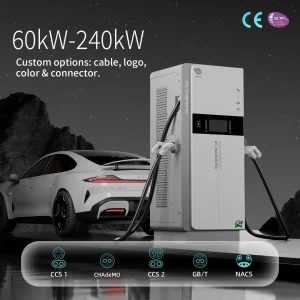
In typical urban centers, EV charger demand is supported by massive national power grids. In atolls like Tarawa, the grid relies heavily on distributed diesel generators. Therefore, adding a 240kW fast charger directly to the local grid is technically unfeasible. The optimal paradigm is the "PV-BESS-EVSE" Integrated Microgrid Solution.
This topology captures solar energy during peak daylight hours using solar canopies, stores the electricity inside durable LiFePO4 battery banks (ranging from 250kWh to 600kWh), and discharges it via DC Fast Chargers whenever an electric bus, utility truck, or commuter car plugs in. By separating the charging loads from the distribution grid, Kiribati's municipalities can achieve 100% green transportation pathways without causing blackouts.
Partner with China's leading renewable energy integration factory. Get customized engineering support, site analysis, and comprehensive trade financing solutions.
Send Inquiry NowA global leader in smart renewable integration, offering world-class manufacturing standards for B2B distributors and government projects.
Guangdong Hudd Energy Co., Ltd. is a professional provider of renewable energy products, energy storage solutions, and integrated smart energy systems. The company specializes in the development, supply, and integration of advanced energy storage systems (ESS), solar power solutions, EV charging infrastructure, and integrated solar-storage-charging stations, delivering efficient, reliable, and sustainable energy solutions to customers worldwide.
Beyond supplying individual products, Hudd Energy offers comprehensive system integration services tailored to diverse project requirements. Leveraging extensive industry expertise, the company provides end-to-end support covering solution design, equipment selection, system integration, project management, commissioning, and after-sales services. This enables customers to implement optimized energy solutions with enhanced efficiency, performance, and long-term reliability.
With strong partnerships across China's manufacturing ecosystem, Hudd Energy benefits from a robust and competitive supply chain, ensuring high-quality products, stable delivery schedules, and cost-effective solutions. The company also maintains strategic cooperation with financial institutions and banking partners, providing flexible trade finance support and secure transaction services to facilitate the successful execution of international projects.
Hudd Energy's product portfolio serves a wide range of applications, including residential, commercial, industrial, utility-scale energy storage projects, electric vehicle charging networks, and distributed renewable energy systems. The company is committed to helping customers reduce energy costs, improve energy independence, and achieve their sustainability goals.
Over the years, Guangdong Hudd Energy has successfully expanded its presence in international markets, particularly in Southeast Asia, South America, the Middle East, and Africa, earning the trust and recognition of clients through reliable products, professional services, and long-term partnerships.
Looking ahead, Guangdong Hudd Energy Co., Ltd. will continue to drive innovation in clean energy technologies, strengthen its global market presence, and contribute to the worldwide transition toward a greener, smarter, and more sustainable energy future.
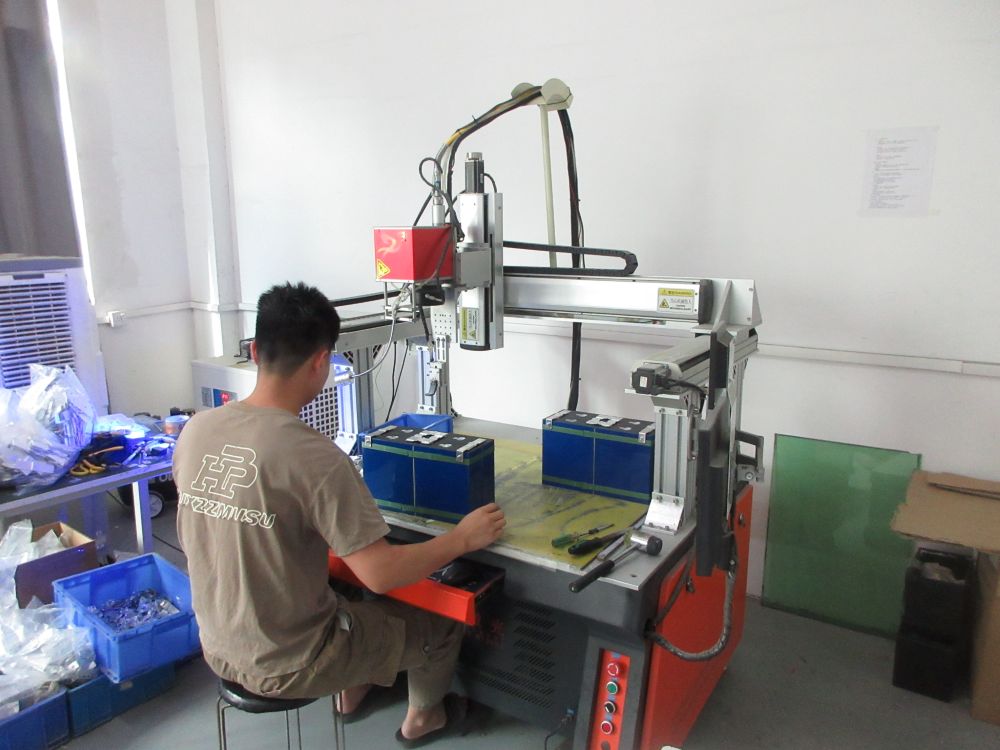
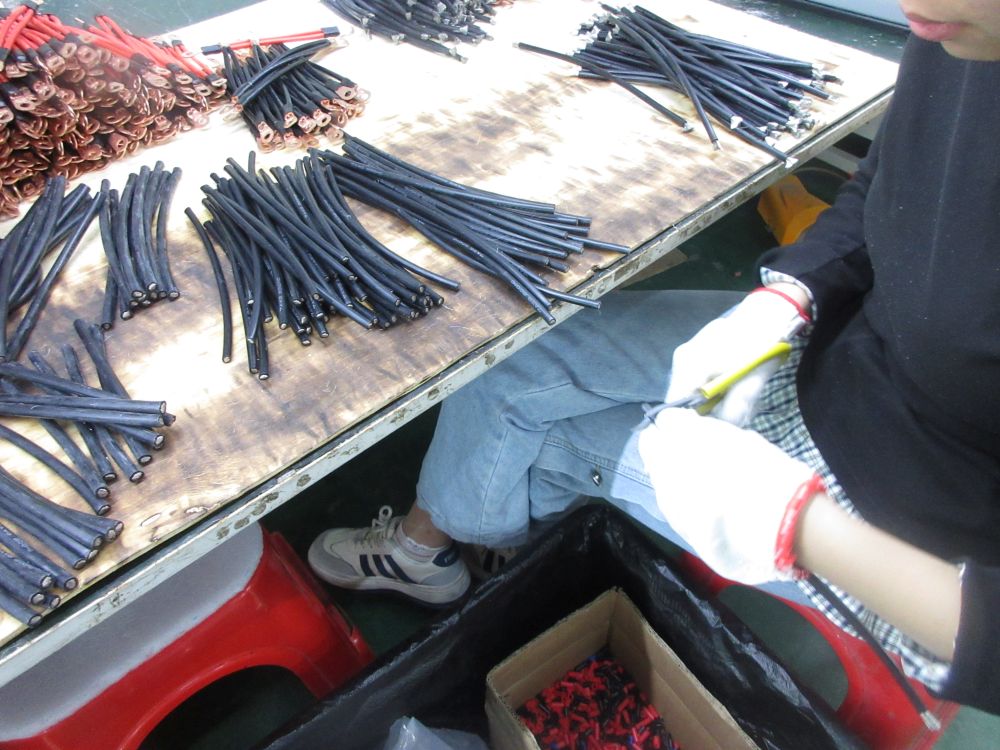
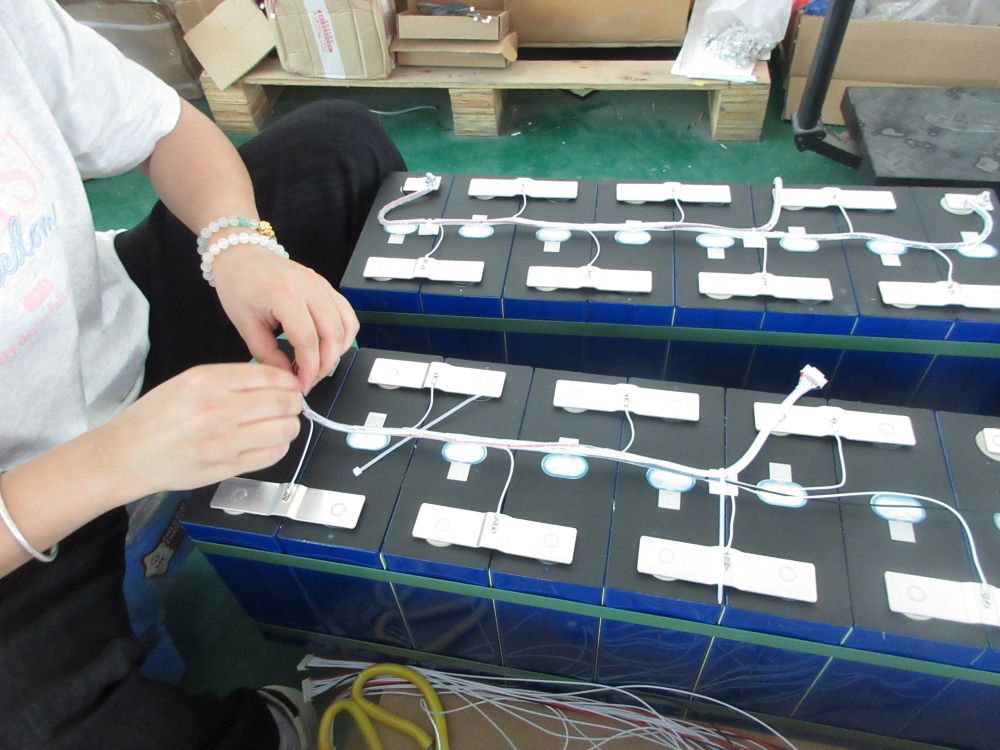
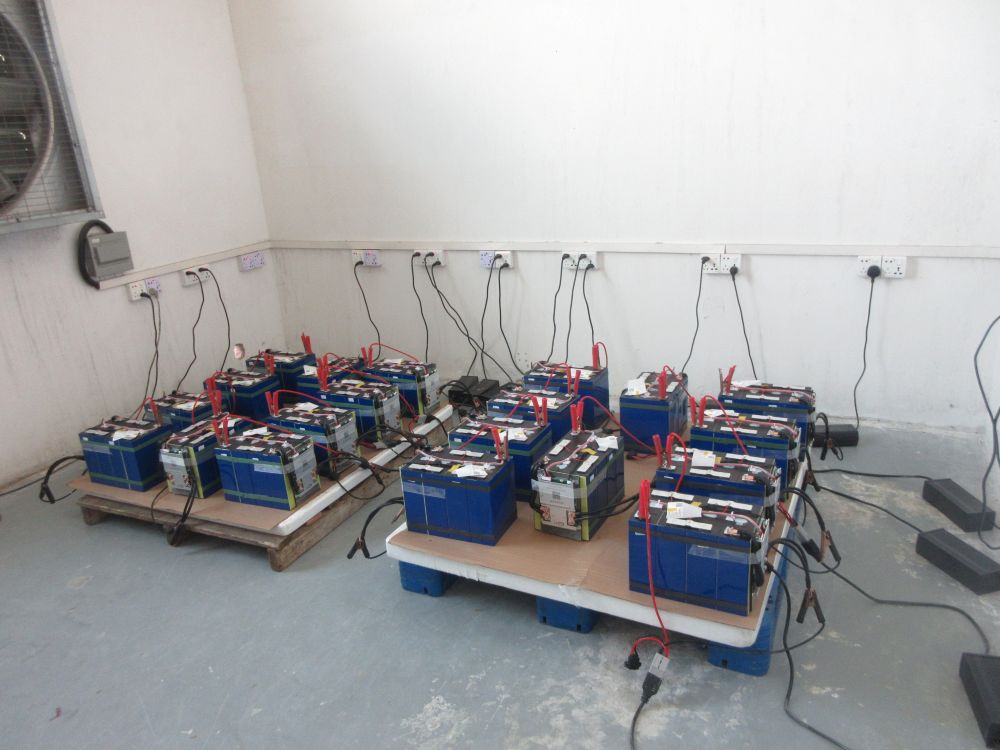
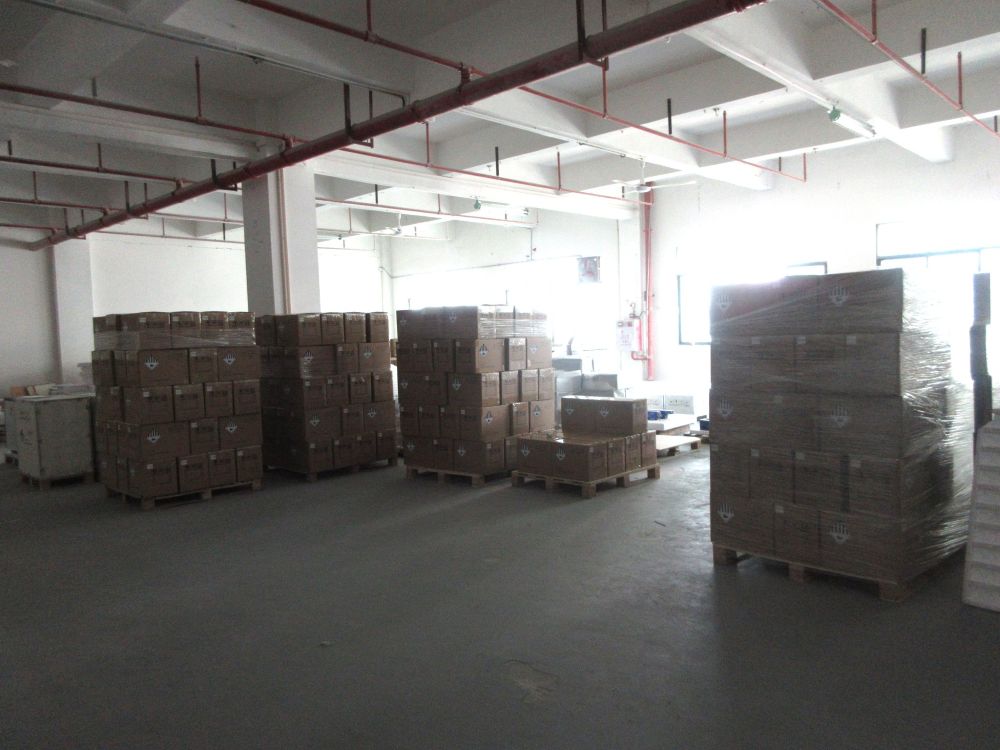
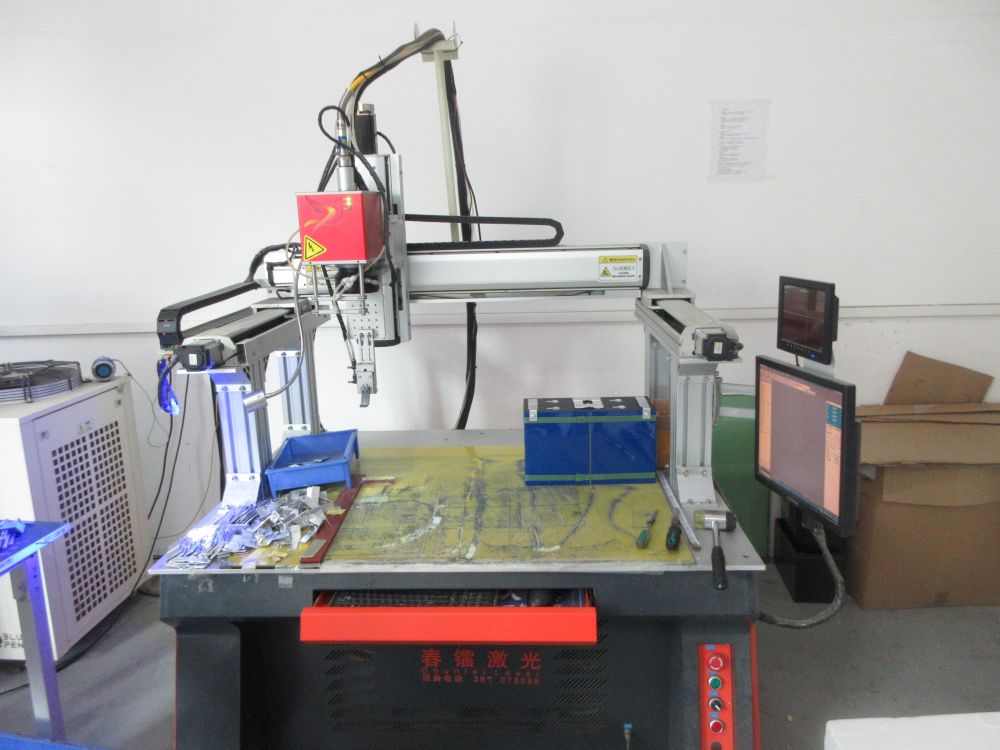
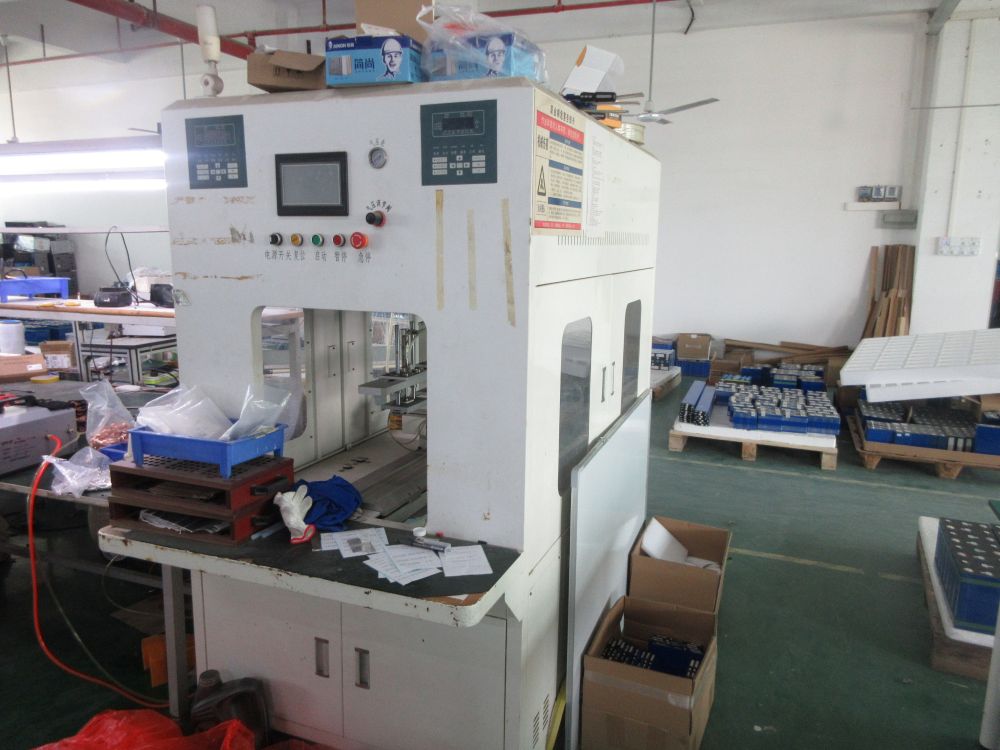
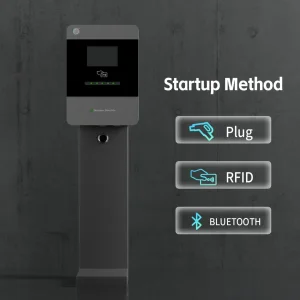
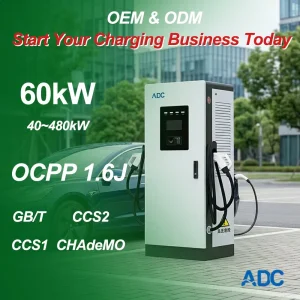
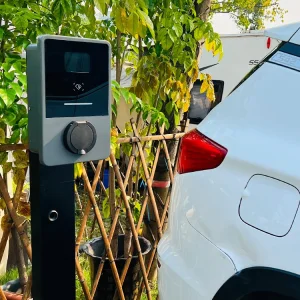
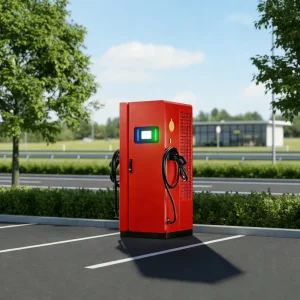
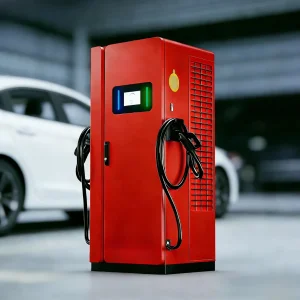
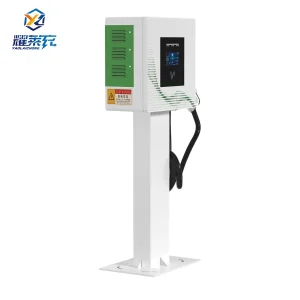
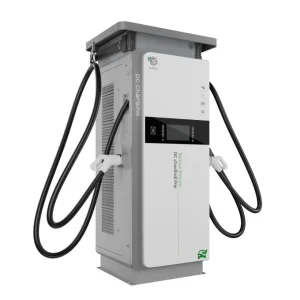
Comprehensive array of chargers designed for light utilities, commercial installations, and microgrid deployments across the Pacific Region.
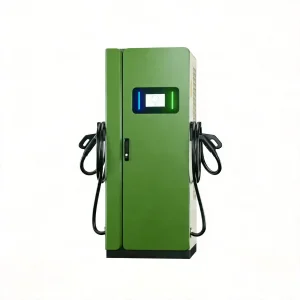
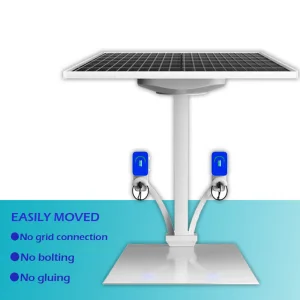
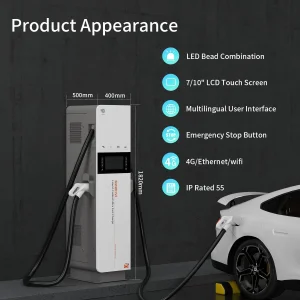
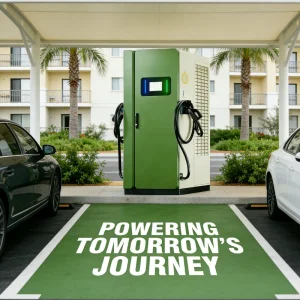
Technical guidance and strategic B2B insights regarding solar-assisted charging deployment in Pacific Island conditions.
 Hudd Energy