Top 10 Solar Energy Products Factories & Suppliers

A Comprehensive Industry Report and Procurement Guide on Tier-1 Renewable Energy Manufacturing, Grid Integration, and Industrial Energy Storage Systems (BESS).

Premium Solar Energy Products Catalog - Group A

Explore high-capacity LiFePO4 batteries, containerized ESS solutions, and dynamic solar hybrid systems engineered for global sustainability initiatives.
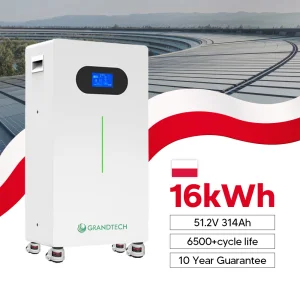
51.2V 15Kwh 20KWH 30KWH Lifepo4 Lithium Solar Battery
51.2V 15Kwh 20KWH 30KWH Lifepo4 Lithium Solar Battery 48V 314Ah 560ah Lithium Ion Battery Pack 30Kwh Home Energy Storage System
View Specifications
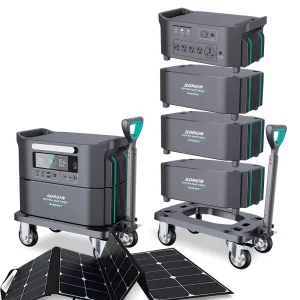
Sorein Portable Generator 2000W Capacity Solar Power Station
Sorein Portable Generator 2000W Capacity Solar Power Station Lithium Battery
View Specifications
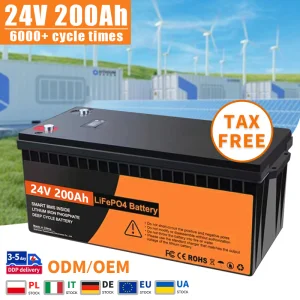
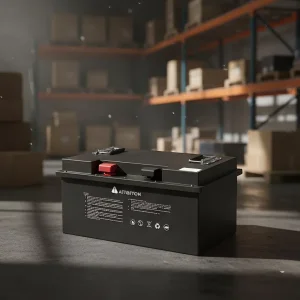
24V 200ah Lithium Iron Phosphate Battery Pack
24V 200ah Lithium Iron Phosphate Battery Pack for Solar Energy Storage System 100ah 280ah LiFePO4 Battery Pack
View Specifications
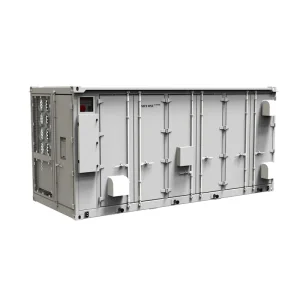
5MWh On Grid Containerized Solar Energy Storage System
5MWh On Grid Containerized Solar Energy Storage System LiFePO4 Battery Smart BMS EMS Industrial ESS Container Manufacturer OEM
View Specifications
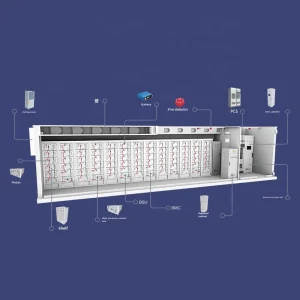
BYD Large Scale Solar Battery System
BYD Large Scale Solar Battery System 1MWH-5MWH 8000 Cycle Life LiFePO4 Energy Storage Cabinet Hybrid Grid CAN Communication
View Specifications
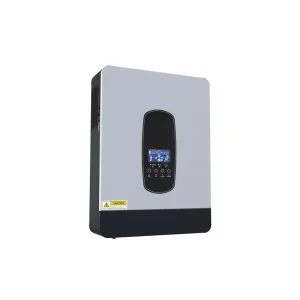
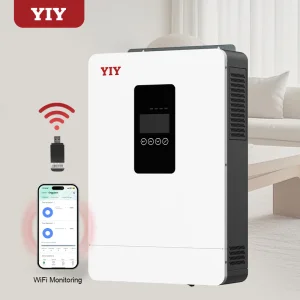
2kw Hybrid Solar Energy System Inverter
2kw Hybrid Solar Energy System 2200w Hybrid Solar Inverter with Optional Wifi
View Specifications
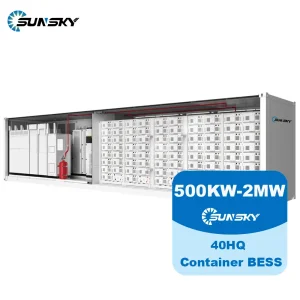
Sunsky Customize Bess PCS 500kw 1MW Energy Storage Container
Sunsky Customize Bess PCS 500kw 1MW Energy Storage Containerized Solution 1mwh 2mwh 3mwh Lithium-Ion Battery Solar Hybrid Power System 20FT 40FT Container
View Specifications
Storage 105kw 215kwh Commercial Industrial Cabinet Battery Container
Storage 105kw 215kwh 215A Ess High Voltage Commercial Industrial Cabinet Battery Container 105kw System Bess Solar Energy
View Specifications
>28%
Global BESS CAGR (2024-2030)
6,000+
Typical Battery Lifecycle (80% DoD)
Tier 1
Manufacturing Infrastructure
UN38.3
Compliance and Safety Certified

The Strategic Landscape of Solar Energy Products & Manufacturing

The global renewable energy paradigm is shifting rapidly from localized standalone generation to large-scale grid integration and microgrid self-sufficiency. As heavy industries, data centers, utilities, and commercial developers seek to decouple from high carbon emissions and unstable municipal energy grids, the reliance on top-tier solar energy products factories and suppliers has become absolute. It is no longer just about buying PV panels or modular batteries; it is about engineering resilient, dispatchable green energy ecosystems.

Key Procurement Trend: Information Gain & Structural Transparency

Modern B2B solar buyers prioritize suppliers who provide deep information transparency regarding their cell chemistry (LFP vs. NMC), battery management systems (BMS), thermal runaway prevention systems, and environmental compliance frameworks. This page acts as a comprehensive industry whitepaper, highlighting technical baselines, operational execution, and factory standards.

1. Technological Trends Reshaping Solar Products & BESS

The solar hardware value chain is undergoing structural shifts characterized by three main developments:

  • LFP Domination in Stationary ESS: Lithium Iron Phosphate (LiFePO4) chemistry has decisively won the utility and commercial stationary storage race over Nickel Manganese Cobalt (NMC). Its thermal stability, non-toxic composition, lower raw-material sensitivity, and exceptional cycle lives (often exceeding 6,000 to 8,000 cycles at 80% Depth of Discharge) make it the industrial benchmark.
  • Liquid-Cooling vs. Traditional Air-Cooling: For utility-scale containment systems (such as 5MWh container configurations), liquid cooling is rapidly replacing air cooling. Liquid cooling offers precise thermal management, keeping delta temperatures inside the cell blocks within 3°C, which increases round-trip efficiency (RTE) by 2-3% and extends overall system life by 20%.
  • Smart EMS & High-Voltage Architecture: Commercial and industrial (C&I) facilities are scaling to higher voltage systems (e.g., 1000V to 1500V DC). Operating at elevated voltages reduces cabling copper costs, decreases thermal dissipation losses, and elevates conversion efficiency through multi-megawatt PCS (Power Conversion Systems).

2. Global Procurement Demands: Addressing the Supply Chain Trilemma

Global procurement offices face a complex trilemma when sourcing solar and storage components: *Cost efficiency*, *Regulatory compliance*, and *Logistical dependability*. The risk of project delays due to non-compliant BMS software, customs blockages, or failure to secure UN38.3, CE, or UL1973 certifications can cost developers millions of dollars in liquidated damages. Working with integrated suppliers like Guangdong Hudd Energy Co., Ltd. mitigates these structural risks by bridging the gap between direct manufacturing and institutional-grade financial and logistical solutions.

3. Spotlight: Guangdong Hudd Energy Co., Ltd.

Guangdong Hudd Energy Co., Ltd. is a professional provider of renewable energy products, energy storage solutions, and integrated smart energy systems. The company specializes in the development, supply, and integration of advanced energy storage systems (ESS), solar power solutions, EV charging infrastructure, and integrated solar-storage-charging stations, delivering efficient, reliable, and sustainable energy solutions to customers worldwide.

Beyond supplying individual products, Hudd Energy offers comprehensive system integration services tailored to diverse project requirements. Leveraging extensive industry expertise, the company provides end-to-end support covering solution design, equipment selection, system integration, project management, commissioning, and after-sales services. This enables customers to implement optimized energy solutions with enhanced efficiency, performance, and long-term reliability.

With strong partnerships across China's manufacturing ecosystem, Hudd Energy benefits from a robust and competitive supply chain, ensuring high-quality products, stable delivery schedules, and cost-effective solutions. The company also maintains strategic cooperation with financial institutions and banking partners, providing flexible trade finance support and secure transaction services to facilitate the successful execution of international projects.

Hudd Energy's product portfolio serves a wide range of applications, including residential, commercial, industrial, utility-scale energy storage projects, electric vehicle charging networks, and distributed renewable energy systems. The company is committed to helping customers reduce energy costs, improve energy independence, and achieve their sustainability goals.

Over the years, Guangdong Hudd Energy has successfully expanded its presence in international markets, particularly in Southeast Asia, South America, the Middle East, and Africa, earning the trust and recognition of clients through reliable products, professional services, and long-term partnerships.

Looking ahead, Guangdong Hudd Energy Co., Ltd. will continue to drive innovation in clean energy technologies, strengthen its global market presence, and contribute to the worldwide transition toward a greener, smarter, and more sustainable energy future.

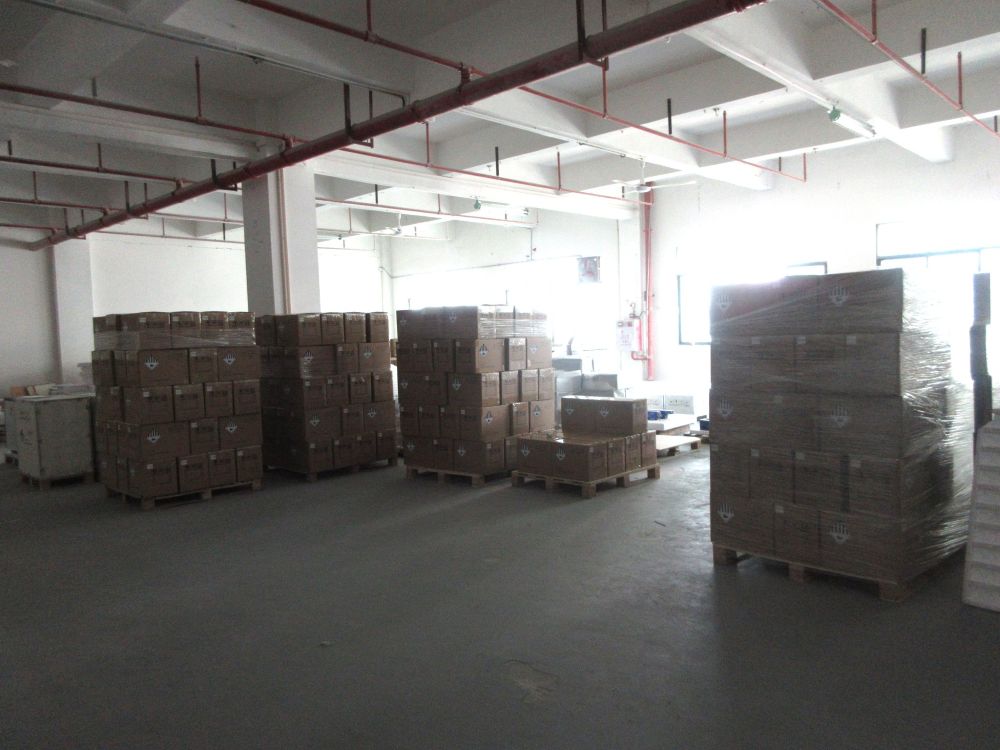
Inside the Smart Factory: Production, Testing & Quality Standards

A transparent look at the advanced manufacturing, precision cell welding, testing, and warehousing workflows that guarantee industrial reliability.
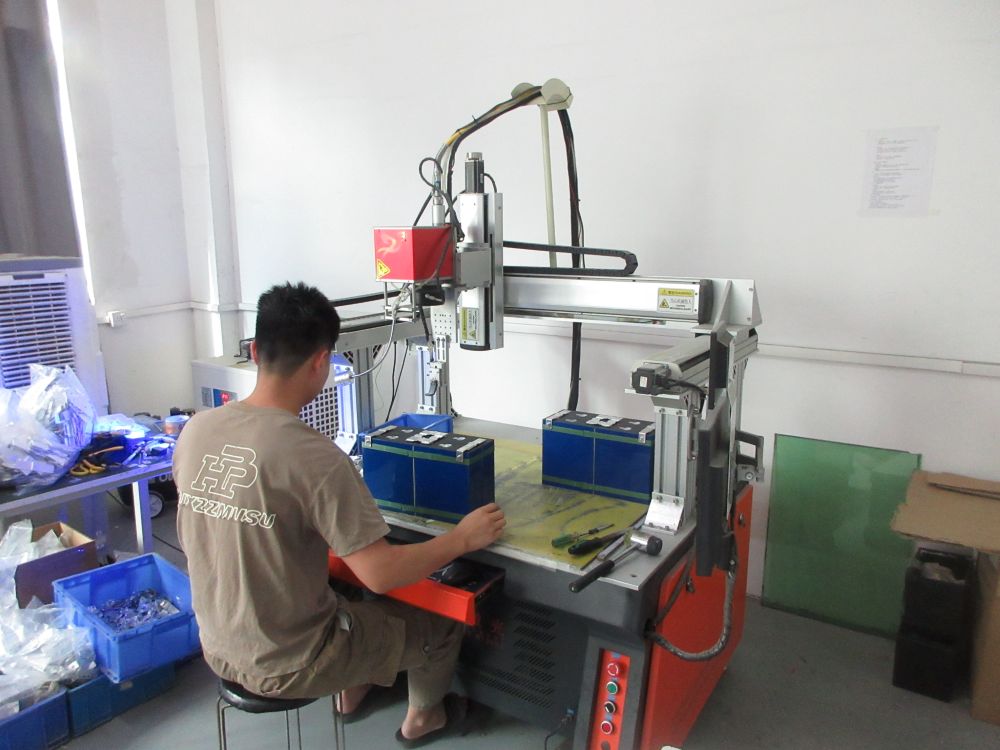

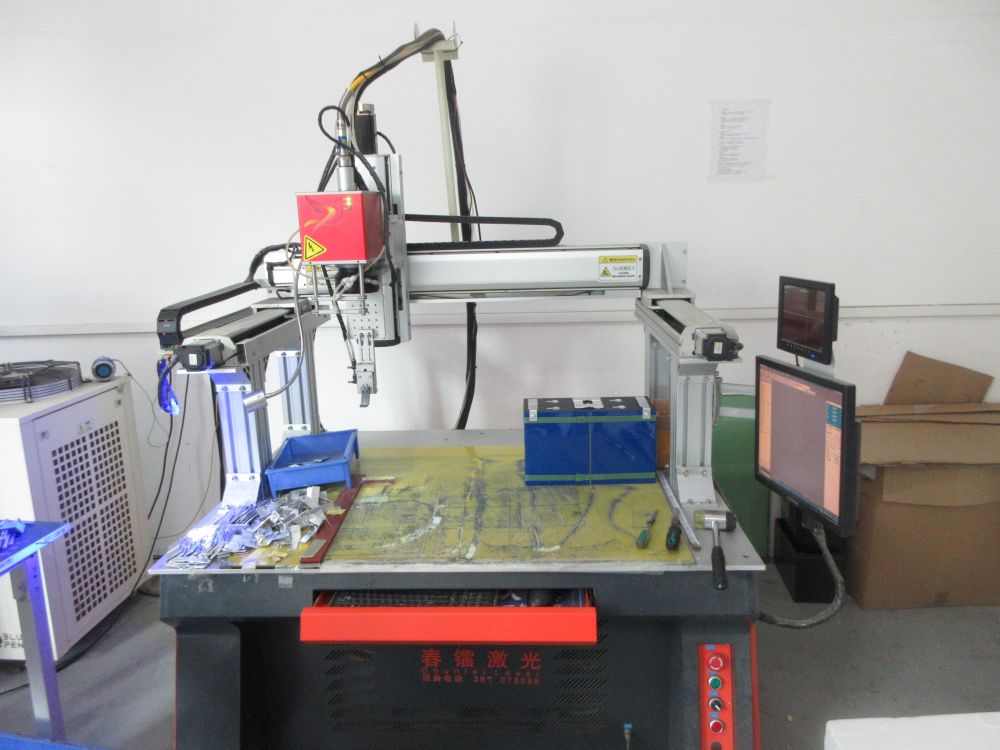
Laser Spot Welding
Laser Spot Welding
Cutting Wire
Cutting Wire
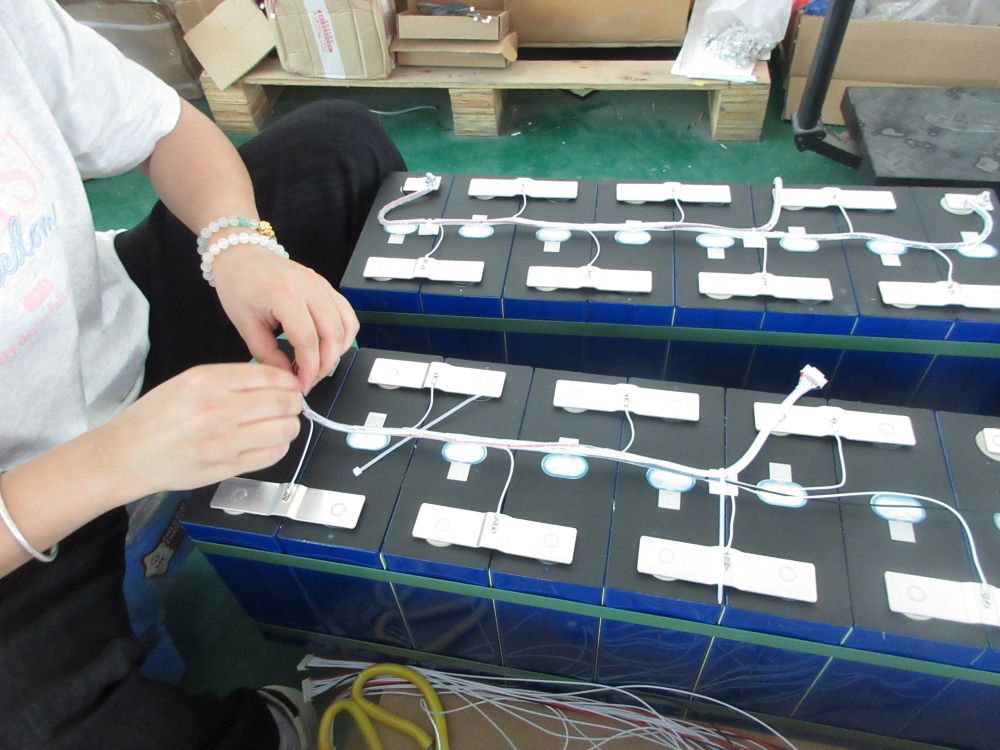
Connect the Wires
Connect the Wires
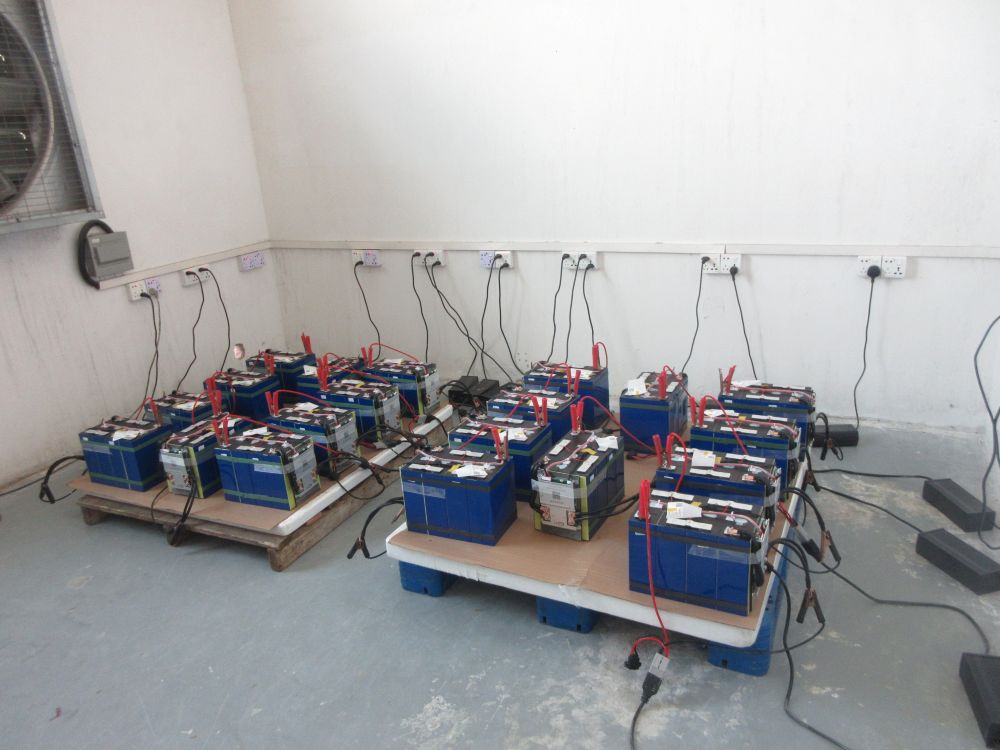
Charging
Charging
Storage
Storage
Laser Spot Welding Machine
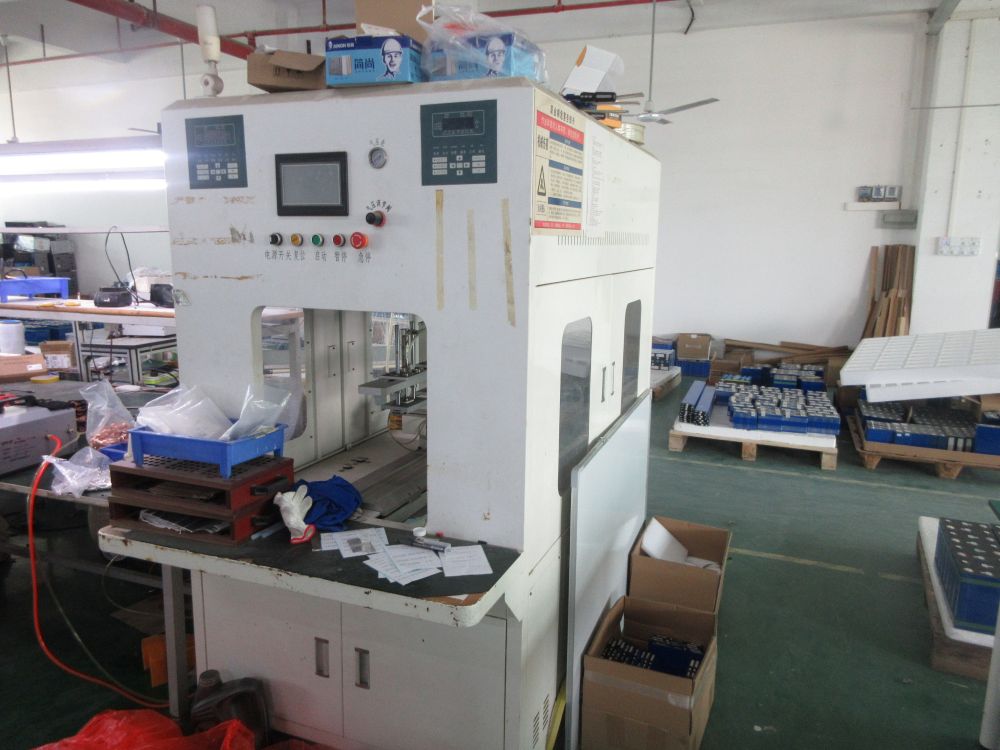
Spot Welding Machine
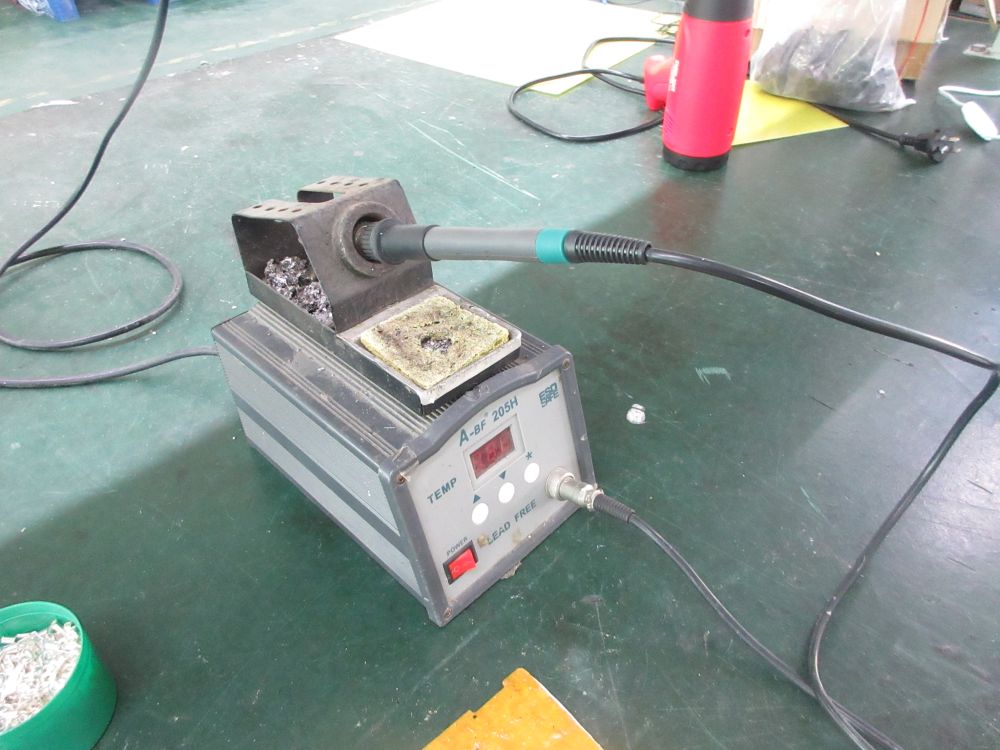
Electric Soldering Iron
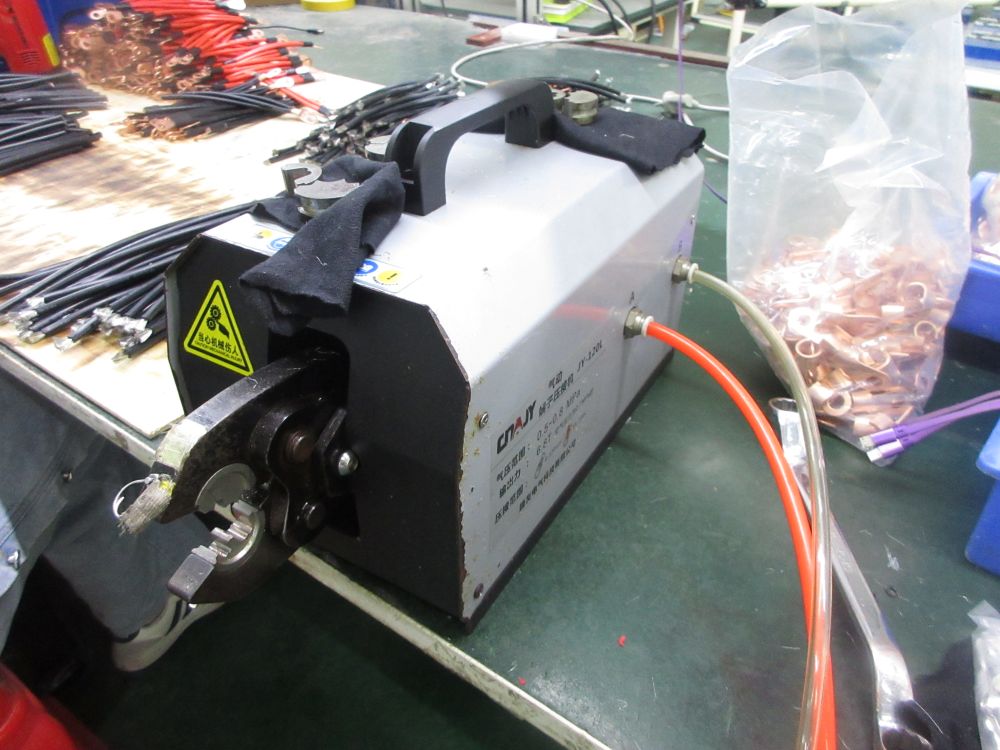
Terminal Crimping Machine

4. Macro Industry Solutions: Microgrids & C&I Architectures

Adapting solar technologies to local systems requires structural alignment between components. Standard setups are designed for the following applications:

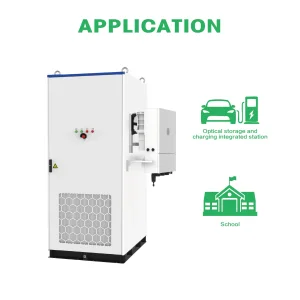
  • Commercial Peak Shaving and Load Shifting: For factories relying on variable grid pricing, installing a modular 215kWh or 500kWh BESS allows the site to store energy when municipal grid tariffs are low and discharge when tariffs peak. This practice saves operational costs and reduces strain on the local electrical infrastructure.
  • Remote Off-Grid Microgrids: Combining 12kW hybrid off-grid pure sine wave inverters with high-capacity 51.2V LFP battery storage banks offers continuous power for mining operations, agricultural centers, and off-grid residential communities in developing regions.
  • Utility-Scale Grid Ancillary Services: Multi-megawatt projects (from 1MWh to 6.25MWh liquid-cooled configurations) support grid stability. They manage fluctuations from nearby wind and PV generation, and help stabilize grid frequency.

5. Localized Support & Compliance Assurance

Navigating global regulatory landscapes requires manufacturers to meet standard safety and performance testing. In North America and Europe, products must comply with codes like UL 9540A for thermal runaway propagation, alongside UN38.3, CE, and IEC 62619 standards. Beyond paperwork, manufacturers must offer support that matches regional grid frequencies (50Hz vs 60Hz), earthing standards (TN, TT, IT), and regional compliance rules, ensuring smooth integration with local infrastructure.

6. Technological Roadmap and Future Outlook

As standard LFP battery configurations approach their theoretical energy limits, the market is turning toward next-generation battery cell chemistry. The industry is currently exploring semi-solid-state and sodium-ion technologies to improve performance. Sodium-ion chemistry offers reliable operation at temperatures as low as -40°C, while semi-solid-state designs double energy density, reducing the physical space needed for utility installations. Additionally, AI-supported Energy Management Systems (EMS) are increasingly used to predict load demand, helping optimize battery performance and extend overall operational lifespans.

Premium Solar Energy Products Catalog - Group B

Advanced commercial cabinets, high-voltage battery banks, EV charging poles, and heavy utility storage containers built for extreme operating conditions.
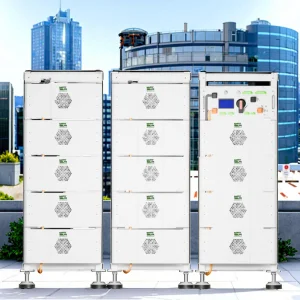
51.2V 314Ah High-Voltage Hybrid Grid Lithium Phosphate Battery
51.2V 314Ah High-Voltage Hybrid Grid Lithium Phosphate Battery 241kWh Large-Scale Solar Energy Storage System 200Ah Capacity
View Specifications
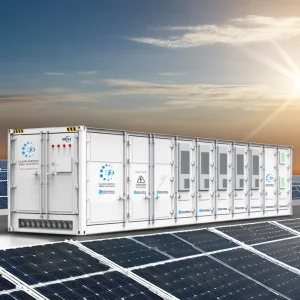
40ft Containerized Solar Energy Storage Battery Container
40ft Containerized Solar Energy Storage Battery Container Outdoor 1MWh 2MWh 3MWh Battery Grid Storage System Air Cooling
View Specifications
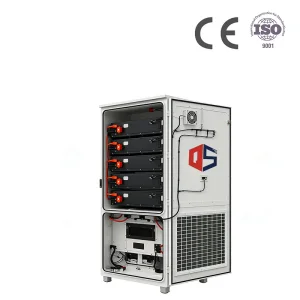
Energy Storage Cabinet Commercial and Industrial Ess Cabinet
Energy Storage Cabinet Commercial and Industrial Ess Cabinet for 100kwh to 500kwh Capacity 100kw to 250kw Power
View Specifications
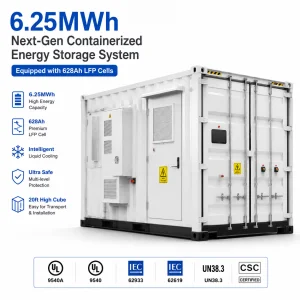
6.25MWh Next-Gen Liquid Cooled Container Energy Storage System
6.25MWh Next-Gen Liquid Cooled Container Energy Storage System with 628Ah LFP Cells for Grid-Scale Solar Projects
View Specifications
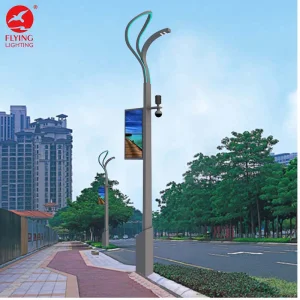
IoT Based LED Smart Road Lighting Pole With WiFi EV Charging
IoT Based LED Smart Road Lighting Pole With WiFi EV Charging Station Camera LED Screen IP65
View Specifications
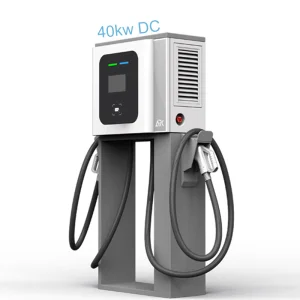
Quick 40kw Wall-Mounted Floor Standing DIY DC Solar EV Charging Station
View Specifications
Un38.3 Certified 72V166ah Lithium Iron Phosphate Battery Pack
Un38.3 Certified 72V166ah Lithium Iron Phosphate Battery Pack for Low Self-Discharge ≤50ua for Tricycle
View Specifications
12Kw Off Grid Hybrid Solar Inverter with MPPT
12Kw Off Grid Hybrid Solar Inverter with MPPT 5000Vdc 48Vdc to 220/230Vac Pure Sine Wave Power Solar Inverter 12000W for Home
View Specifications

Technical Procurement FAQ (Frequently Asked Questions)

Common questions from solar project engineers, procurement officers, and system integrators regarding BESS and solar products.

Q1: Why is LiFePO4 chemistry preferred for large-scale and residential energy storage systems?
LiFePO4 (Lithium Iron Phosphate) offers major advantages for stationary energy storage systems: safety and cycle life. Chemically stable LFP chemistry reduces the risk of thermal runaway, even when punctured or subjected to high temperatures. Additionally, LFP cells typically offer 6,000+ cycles at 80% DoD, providing a longer service life compared to NMC batteries, which often yield only 2,000 to 3,000 cycles.
Q2: What is the difference between air-cooled and liquid-cooled BESS containers?
Air-cooled systems rely on HVAC air circulation to manage internal heat, which is simpler but less effective in dense, high-power setups. Liquid-cooled systems pump coolant through plates in direct contact with the cells. This achieves uniform heat dissipation (maintaining internal temperature variance under 3°C), which extends cell life, saves operational energy, and enables higher power densities within standard 20ft/40ft shipping containers.
Q3: Can these high-voltage storage solutions integrate directly with regional utility grids?
Yes. Modern large-scale battery storage solutions, such as the 1MW-5MW systems, use Power Conversion Systems (PCS) and customized smart energy management systems (EMS) that align with regional grid requirements (including 50Hz/60Hz frequencies and standard high-voltage connections). They also support grid services like peak shaving, load leveling, and frequency regulation.
Q4: How does Guangdong Hudd Energy ensure supply chain reliability for large solar projects?
Hudd Energy works with established manufacturing ecosystems across China to secure stable access to key raw materials and components, which helps minimize lead-time delays. Additionally, Hudd Energy coordinates with financial partners to provide flexible trade finance solutions, helping international buyers mitigate capital flow constraints.
Q5: What are the standard certifications required for import clearance of solar batteries?
For safe transport and import, lithium batteries must carry UN38.3 certification, which includes rigorous thermal and mechanical safety tests. Depending on the destination region, certifications like CE (Europe) and UL 1973 / UL 9540A (North America) are required to verify compliance with electrical safety standards and fire prevention requirements.
Q6: Do the hybrid solar inverters support remote monitoring and dynamic grid controls?
Yes, many hybrid inverters feature integrated Wi-Fi or GPRS modules, allowing operators to monitor yield, load consumption, battery charge states, and system health in real-time via smartphone apps or web consoles. They also support remote firmware updates and allow adjustment of grid-export parameters to match local utility rules.
Q7: What is the role of a Battery Management System (BMS) in commercial battery storage?
The BMS acts as the safety core of the battery pack. It monitors cell parameters, including cell voltages, temperature, and current flow. It prevents damage from over-charging or over-discharging, manages cell balancing to maximize available capacity, and communicates status reports to external PCS or EMS platforms via protocols like CAN or RS485.