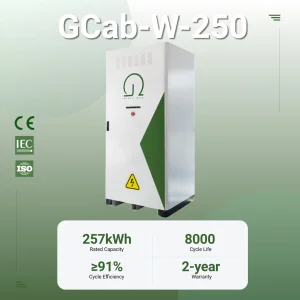
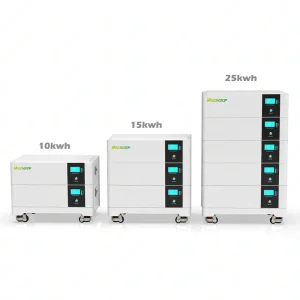
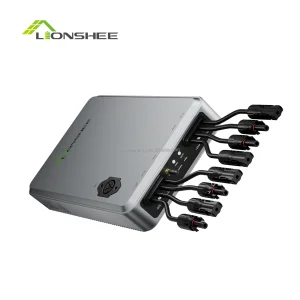
Explore our highly integrated, smart-EMS compatible product range designed for C&I microgrids, EV charging stations, and grid-tied systems.
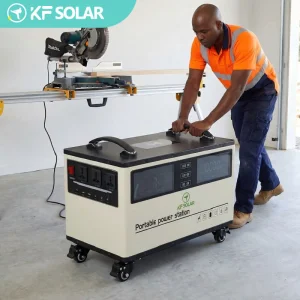
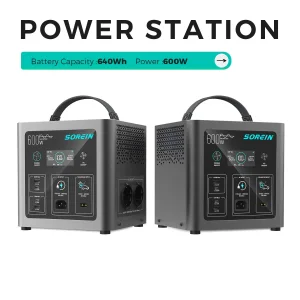
How high-capacity lithium iron phosphate (LiFePO4) systems are replacing legacy power backup infrastructure globally.
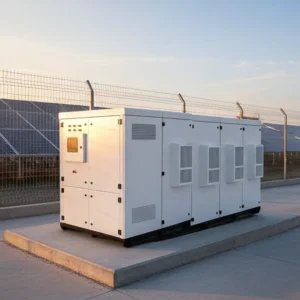
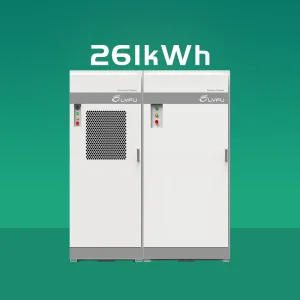
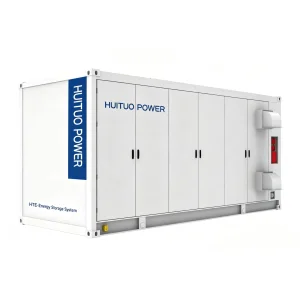
Global energy networks are undergoing a rapid paradigm shift. As grid dynamics fluctuate with intermittent renewable sources, the reliance on advanced battery energy storage systems (BESS) has escalated. Modern industrial facilities are moving away from traditional air-cooled solutions toward high-density liquid-cooled architectures. Liquid-cooled containers optimize cell-to-cell temperature uniformity within 2-3°C, minimizing thermal degradation, preventing localized hot spots, and extending standard product lifespans by up to 20% compared to legacy air-blast configurations.
This technological leap is vital for applications exceeding 100kWh. By ensuring consistent temperatures across pack arrays, operators secure stable round-trip efficiency (RTE) metrics above 90%, shielding critical infrastructure from catastrophic thermal runaway.
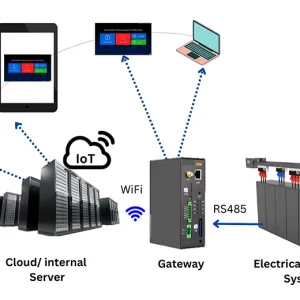
An ESS is only as resilient as the software regulating it. Modern BESS integrations utilize sophisticated Energy Management Systems (EMS) that interface directly with local utility protocols. With Virtual Power Plants (VPPs) rising across Europe and North America, BESS assets must possess dual-direction communication. This allows systems to execute automated peak shaving, peak load shifting, and dynamic response services to monetize unused capacity when utility pricing surges.
Through real-time telemetry, smart-connected hubs enable utility operators and C&I users to dynamically manage power reserves, protecting fragile off-grid or weak-grid environments from brownouts while driving down peak demand charges.
Deciphering international bankability, compliance metrics, and technical requirements for utility-scale deployment.
Industrial-scale battery cabinet purchasing demands compliance with stringent regulatory frameworks. European and American markets rely heavily on certifications like UL 9540A (thermal runaway propagation test), IEC 62619, CE, and UN38.3. Ensuring compliance with these standards minimizes deployment friction with municipal zoning boards and local electrical authorities.
Corporate procurement teams rarely buy static configurations. Depending on geographical constraints, projects demand bespoke modular tailoring. Whether adapting configurations to a 3-year backup cycle, integrating hybrid solar-wind inverters, or custom-programming dual-protocol CAN/Modbus BMS lines, modular flexibility remains central to project integration.
Capital-intensive projects require institutional financial security. International buyers rely heavily on tier-one components and secure trading terms. Strong partnerships with tier-1 battery cell brands and top financial banks ensure seamless logistics, customized letter-of-credit processes, and reliable guarantees on long-term capital deployments.
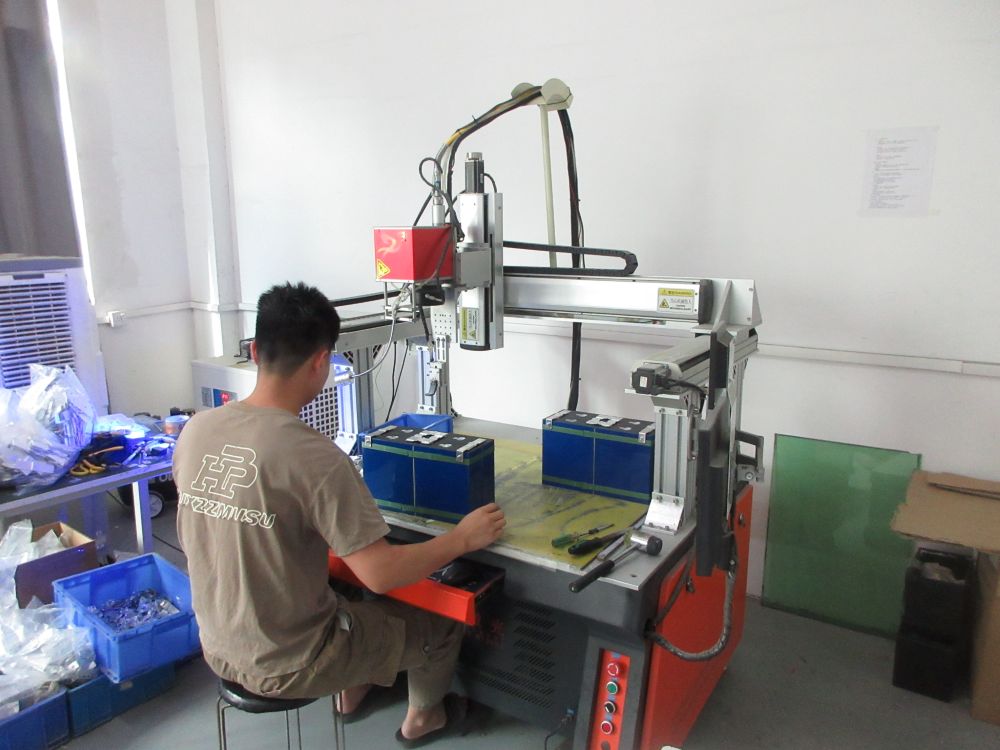
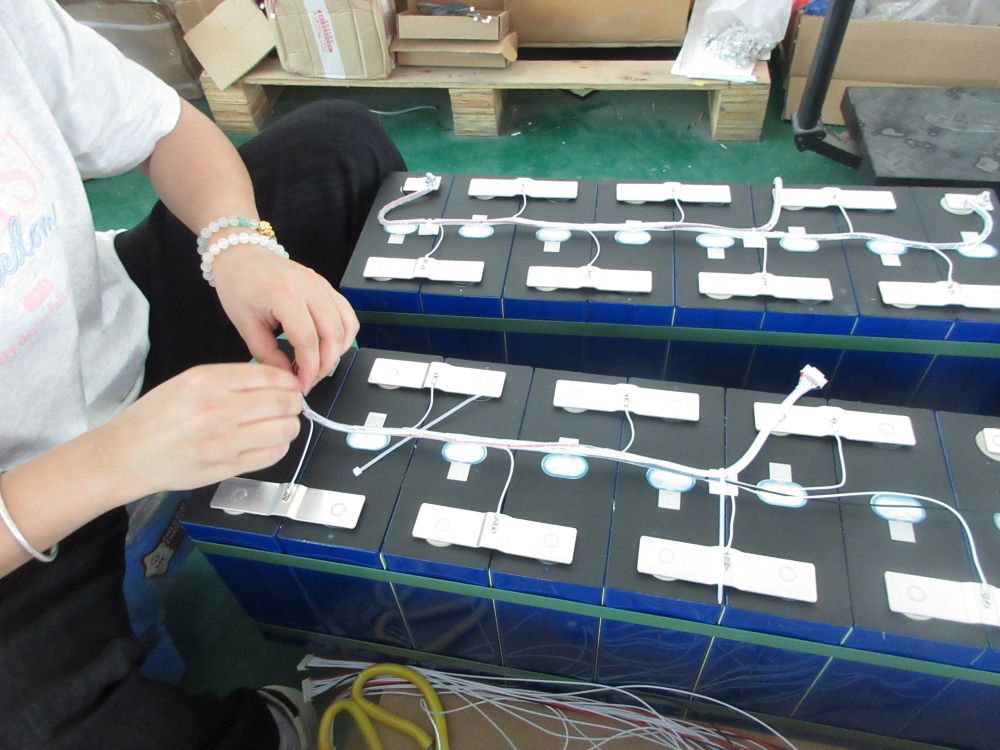
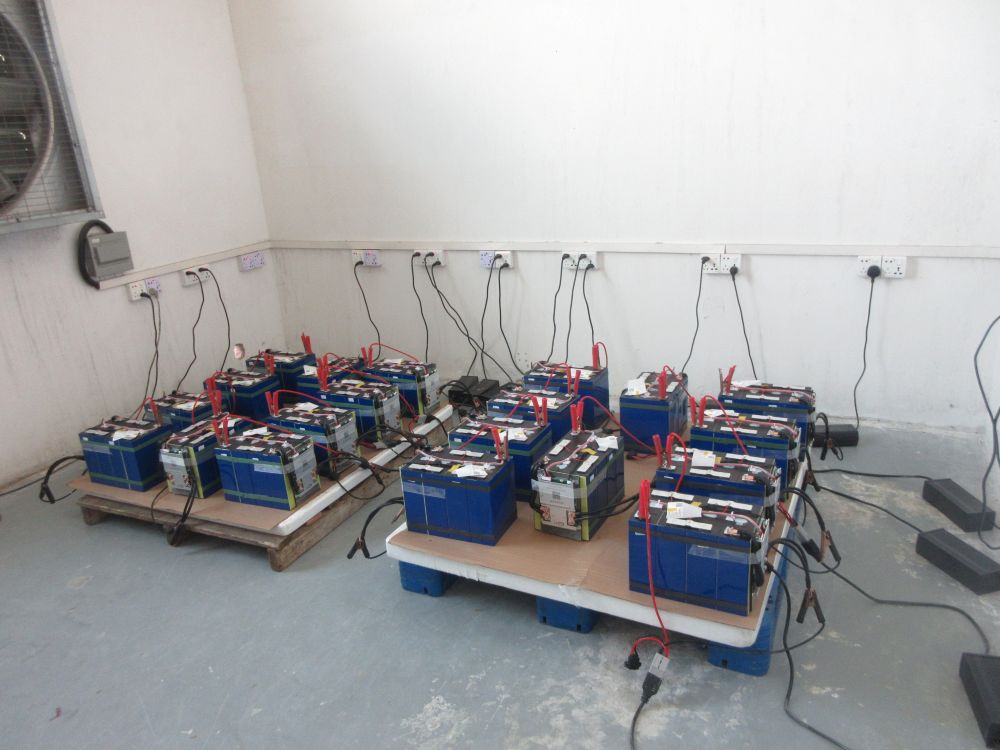
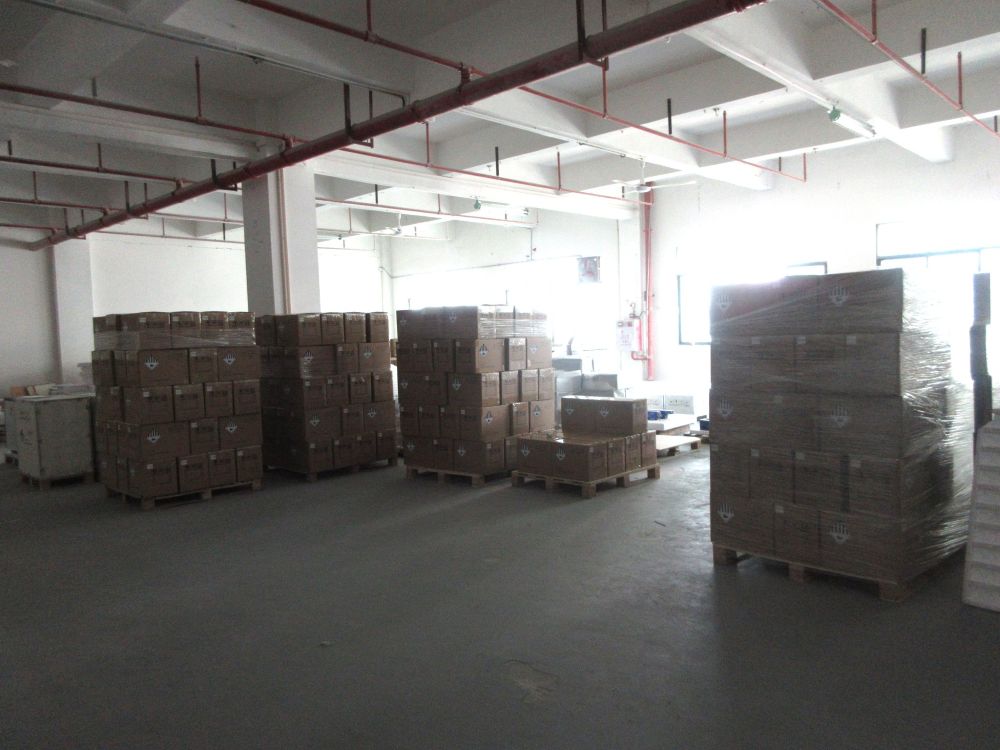
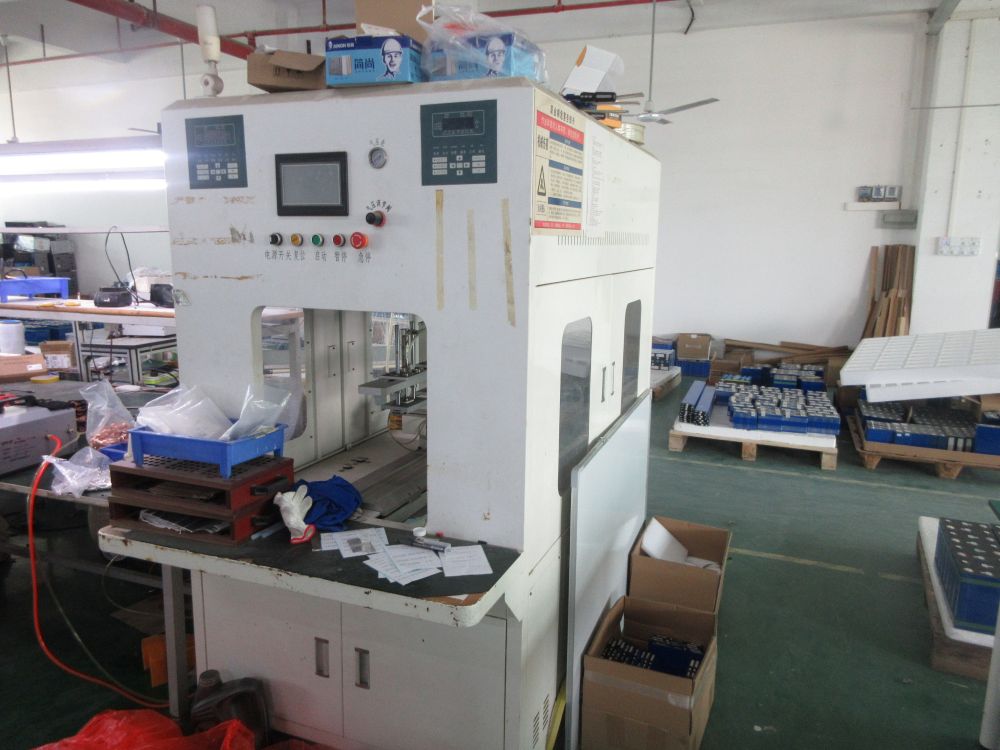
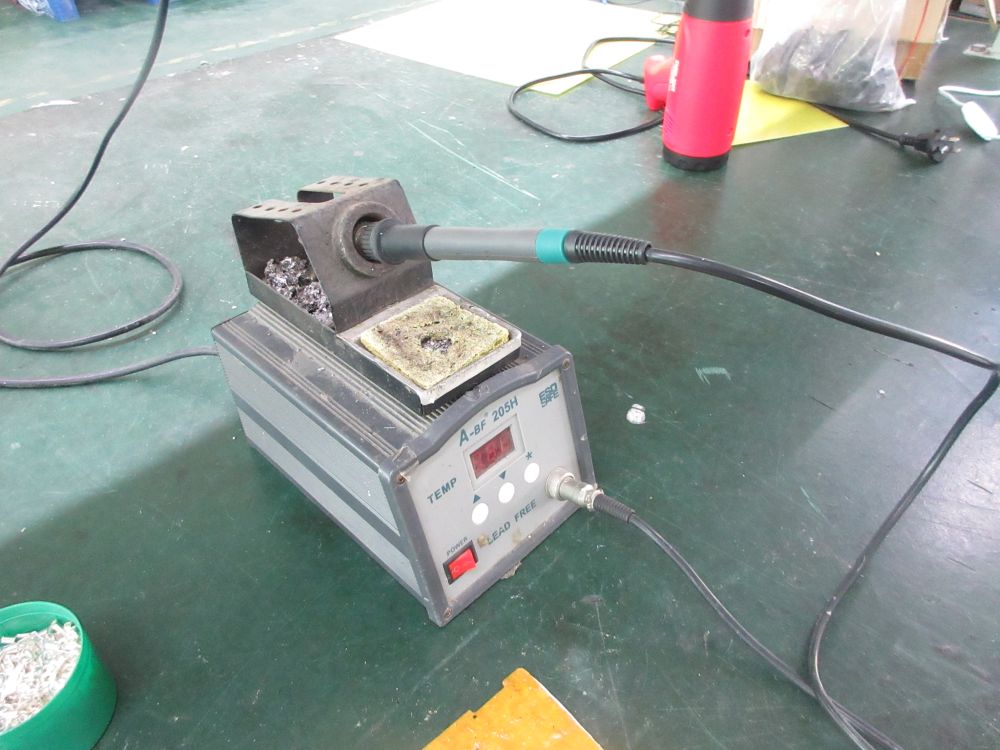
An inside look at our advanced manufacturing floor, showcasing the precise engineering behind our high-performance ESS systems.
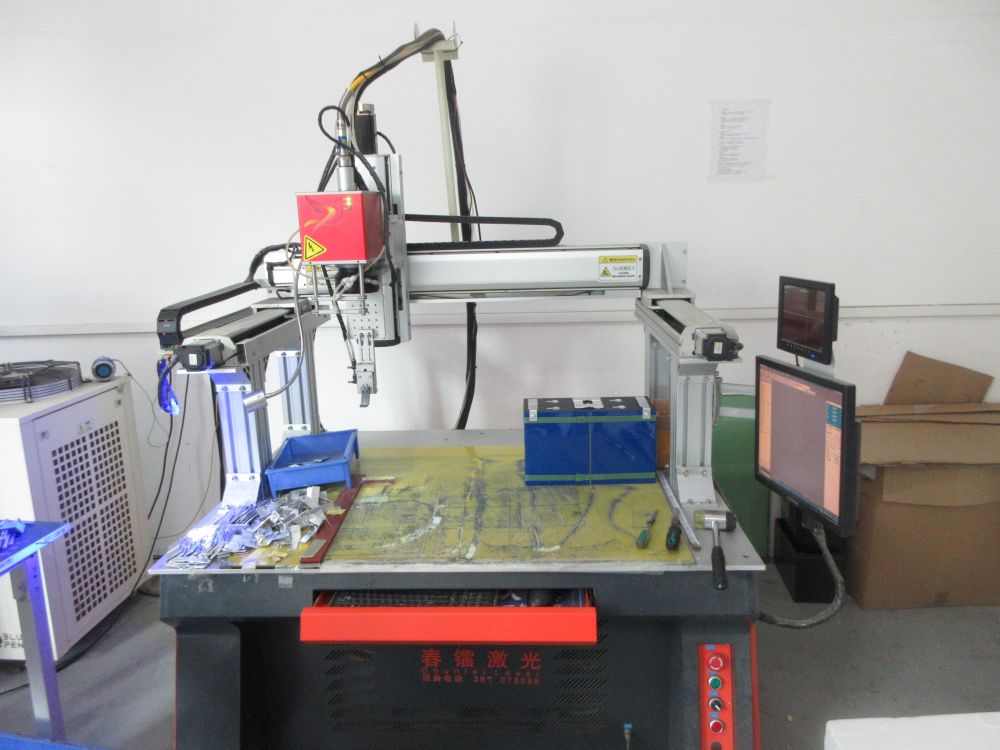
Guangdong Hudd Energy Co., Ltd. sits at the heart of China’s most robust, high-efficiency manufacturing ecosystem. Our factory floor utilizes state-of-the-art precision machinery to guarantee zero-defect battery pack assembly. Laser spot welding systems run on automated loops to fuse busbars with uniform resistance, keeping electrical connections stable under severe vibration and thermal fluctuations.
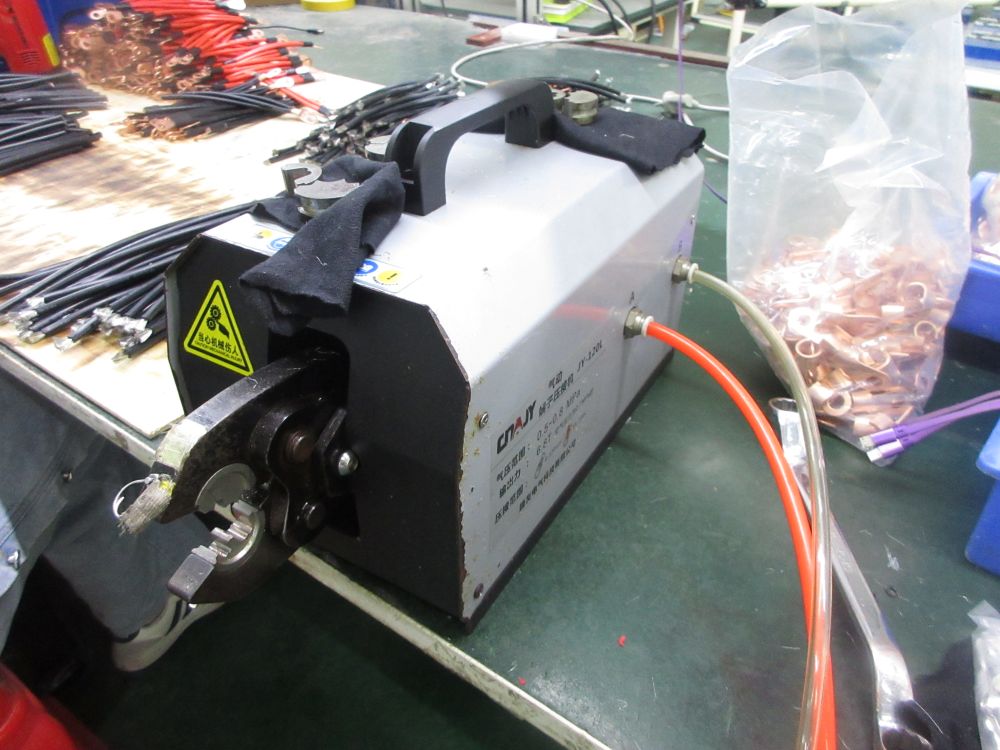
By leveraging advanced automated lines for terminal crimping and automated wire routing, human error is minimized. This structured process provides the foundation for our high-capacity modular storage units, allowing us to consistently deliver durable BESS solutions to the international market on time.
Every single lithium iron phosphate cell undergoes strict quality testing prior to final module assembly. Our quality control procedure covers comprehensive charge-discharge aging cycles, high-rate impedance tests, and intensive thermal chamber testing. This rigid protocol ensures that each batch delivers maximum capacity and functions safely throughout its operational life.
This structural control allows us to support commercial operators with robust system-level warranties, secure logistics channels, and long-term hardware reliability.

Discover how our energy storage architectures serve specialized remote, local, and industrial scenarios globally.
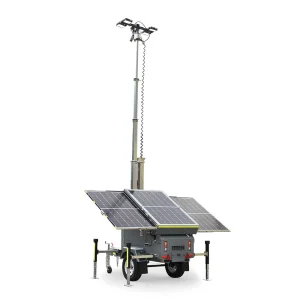
Mining operations and infrastructure sites in remote areas rely on autonomous, trailer-mounted hybrid LFP storage stations. Integrating mast light towers and heavy winch controls directly with LFP battery banks, these setups replace polluting diesel generators to cut running costs and greenhouse gas emissions.
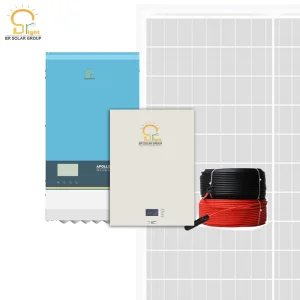
Farming and processing facilities in tropical regions demand sustained solar power to run climate controls. Our custom off-grid PV packages (10kW, 15kW, 20kW) deliver continuous backup power, stabilizing cooling loads and preventing crop spoilage during local grid outages.
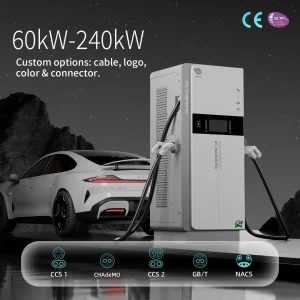
Integrating fast-charging piles (60kW-240kW) with commercial facility systems puts immense strain on local distribution grids. Aligning high-performance containerized BESS arrays helps buffer sudden spikes in demand, preventing costly grid upgrade fees and ensuring fast vehicle charging capabilities.
Technical insights on customized ESS sourcing, system safety, and installation logistics.
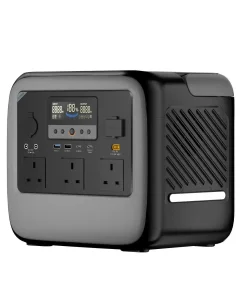
Explore our specialized LFP battery packs, smart distribution hubs, and rapid EV charging modules.
 Hudd Energy