Explore our top-tier industrial, commercial, and residential clean energy systems engineered for resilience, efficiency, and seamless grid integration.
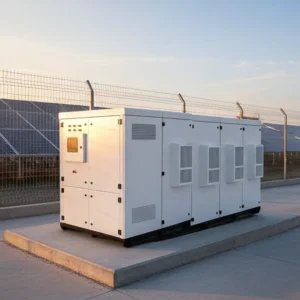
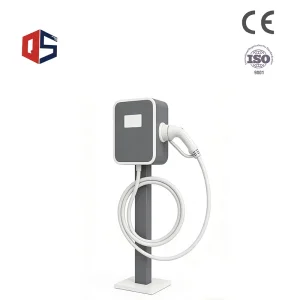
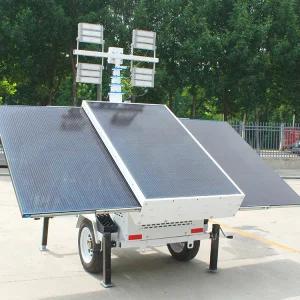
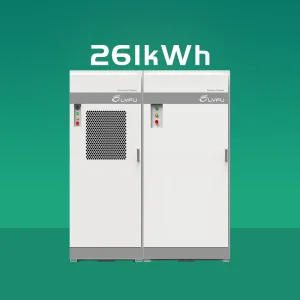
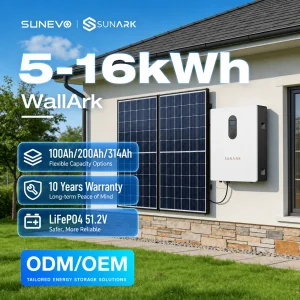
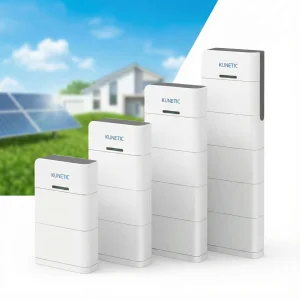
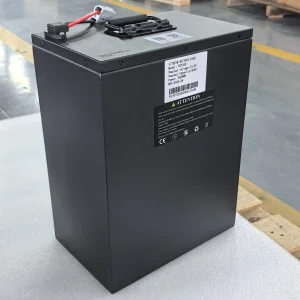
The global shift toward net-zero carbon emissions is forcing multinational enterprises, municipal grids, and heavy industries to completely rebuild their energy infrastructure. Rapid regulatory shifts (such as the EU Corporate Sustainability Due Diligence Directive and the US Inflation Reduction Act) have elevated energy storage from a mere cost-saving measure to a core compliance and survival tool. As industries run into the physical limits of aging utility grids, the implementation of commercial and industrial (C&I) Battery Energy Storage Systems (BESS) becomes necessary to maintain power stability and operational continuity.
When procurement directors evaluate China-based wholesale energy transition technology partners, they are no longer just comparing pricing per watt-hour. They are looking for comprehensive risk mitigation. Large-scale procurement demands tier-1 components, advanced functional safety (such as multi-stage thermal runaway mitigation), absolute compatibility with regional utility regulations (like IEEE 1547 or UL 9540A), and long-term financial bankability. At Guangdong Hudd Energy Co., Ltd., we sit at the intersection of raw material integration and customized engineering, bridging the gap between China's advanced manufacturing efficiency and the strict technical standards of western grids.
Furthermore, sourcing wholesale clean technology demands robust supply chain visibility. From the extraction and processing of lithium iron phosphate (LiFePO4) to the final algorithmic calibration of Energy Management Systems (EMS), Guangdong Hudd Energy operates with strict quality management protocols. Our B2B sourcing partners benefit from our integrated ecosystem, enabling custom-designed containers, hybrid solar-wind-storage stations, and high-voltage cabinets that drop directly into existing substation topologies without extensive engineering overhead.
Delivering tailored architectures to solve complex grid stabilization, peak shifting, and off-grid remote power challenges.
Minimize high demand charges in industrial zones by utilizing intelligent BESS units that discharge when grid demand peaks, reducing operational expenditure and relieving localized transmission pressure.
Utilize multi-port PCS systems that take inputs from volatile wind and solar arrays and stabilize the output via active battery buffers, presenting a predictable, dispatchable load profile to transmission system operators.
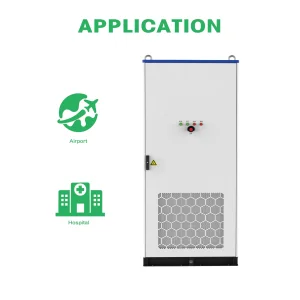
Protect data centers, medical environments, and high-value silicon fabrication units with millisecond-level UPS transition systems, switching to local energy storage before phase offsets crash equipment.
The energy transition sector is shifting rapidly from low-voltage parallel systems to high-voltage, liquid-cooled, smart-managed battery stacks. By shifting BESS architectures from typical 100V configurations up to 1000V or 1500V topologies, line currents are minimized, which drastically decreases system-wide copper usage and thermal dissipation losses. This configuration boosts round-trip efficiency (RTE) to over 90% at system level, maximizing return on investment over the system's operational lifetime.
| System Architecture Parameter | Legacy Low-Voltage BESS | Next-Gen High-Voltage (1500V) BESS | Industrial Value Benefit |
|---|---|---|---|
| System Round-Trip Efficiency (RTE) | 82% - 85% | 90% - 93% | Reduced lifetime energy loss, higher yield |
| Thermal Management Medium | Forced Air Cooling | Liquid Glycol Loop | Extended battery cycle life, uniform cell temps |
| Footprint Density (kW/m²) | Standard Density | +40% Density Improvement | Saves space in dense commercial properties |
| PCS / Inverter Topology | Centralized Inverters | String-Level Dedicated Inverters | Granular fault isolation, minimal downtime |
Guangdong Hudd Energy's technology roadmap includes the integration of advanced artificial intelligence into our Energy Management Systems (EMS). Our smart EMS predicts renewable energy output based on localized weather API data, evaluates real-time market electricity spot pricing, and determines optimal battery dispatch algorithms. This active forecasting turns a simple backup battery into an active profit center for businesses through peak-valley arbitrage.
Analyzing regional requirements, grid anomalies, and local implementation challenges across our primary distribution markets.
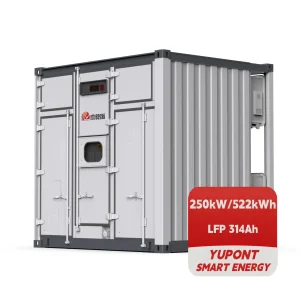
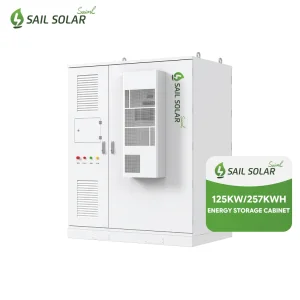
Many island states and remote zones face weak grid infrastructures and rely on expensive diesel generators. Our containerized solutions, such as the Yupont 250kW/522kWh container, offer an alternative by forming localized 50Hz/60Hz island grids, reducing fuel imports and offering uninterrupted power.
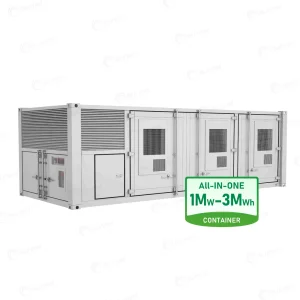
With massive solar radiation across the Atacama and Andes, solar projects require large-scale buffering to prevent curtailment. Our Sunpal large-scale 2mWh to 3mWh utility-scale containerized systems allow developers to store cheap solar energy during the day and discharge it during peak night rates.
In hot desert regions and areas with limited grid infrastructure, mining and agriculture sectors require reliable energy transition solutions. High-temperature lithium formulations combined with active HVAC enclosures prevent system derating in hot climates, keeping remote sites operational.
Tight regulatory standards require high-quality components. Our partnerships with top Tier-1 manufacturers mean we provide certificates of compliance for UL 9540A, CE, and TUV, ensuring faster local approvals for grid-connected projects.
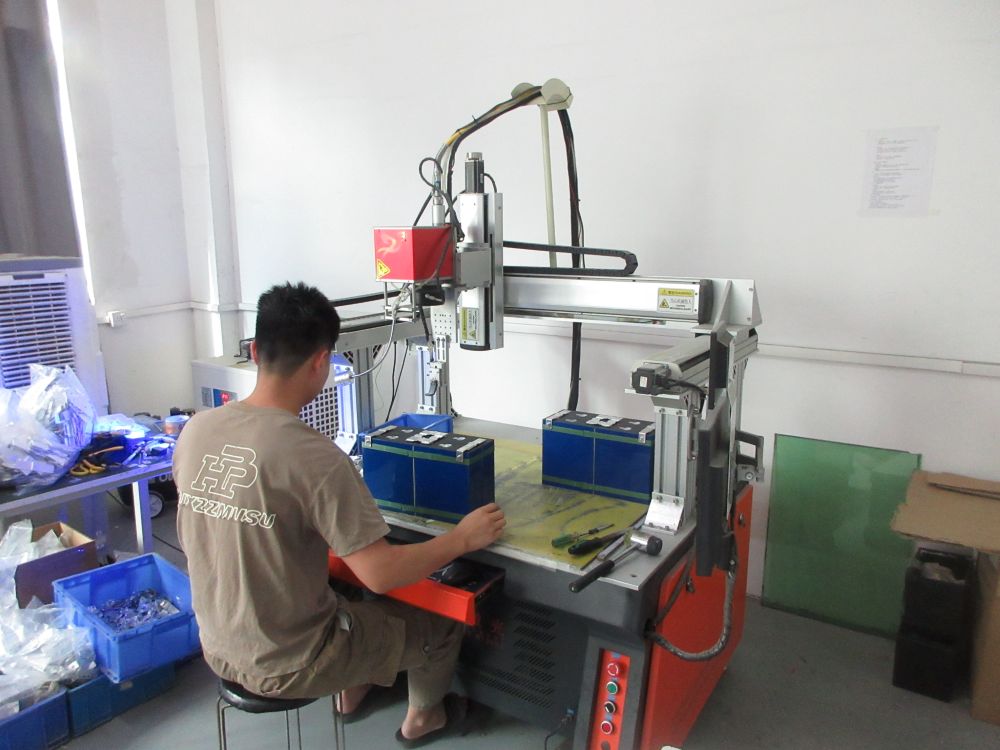
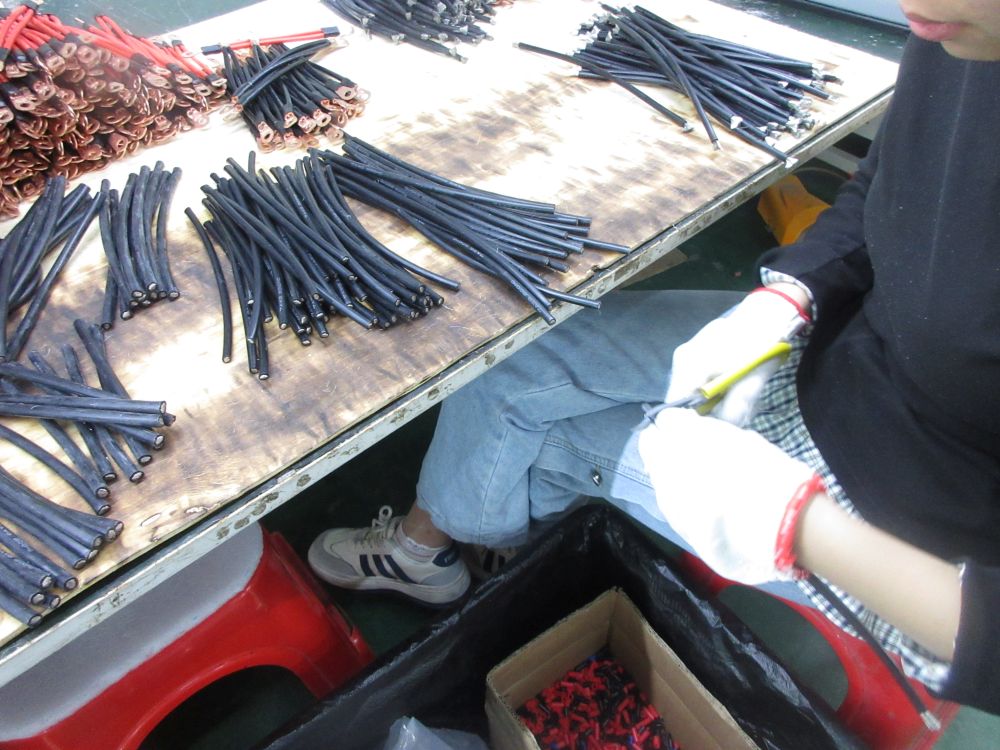
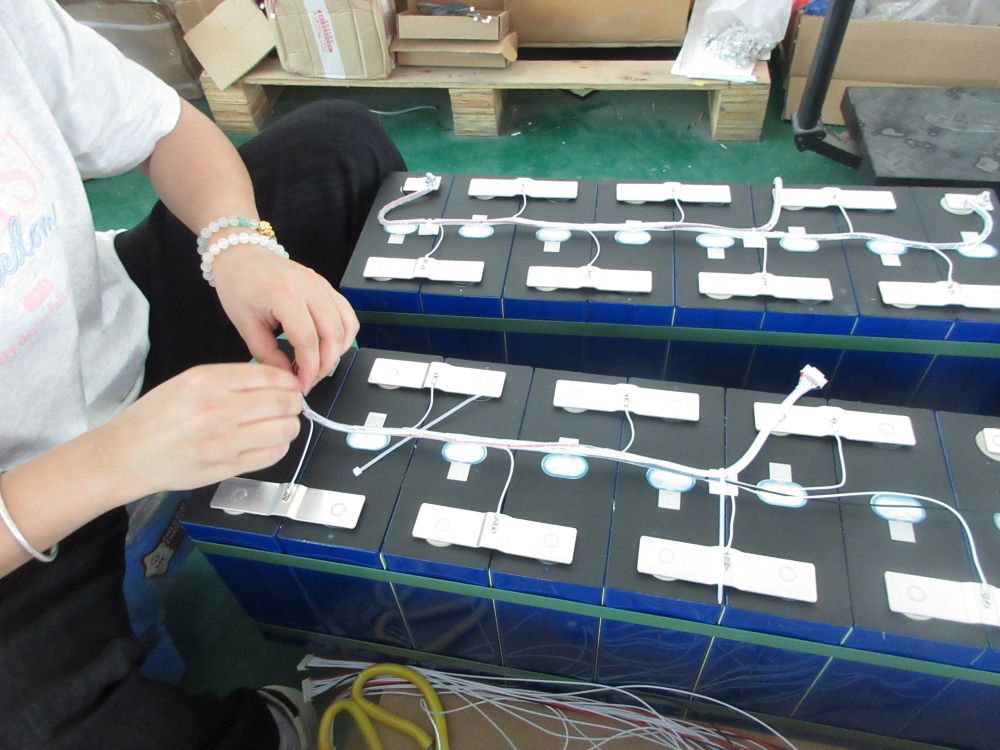
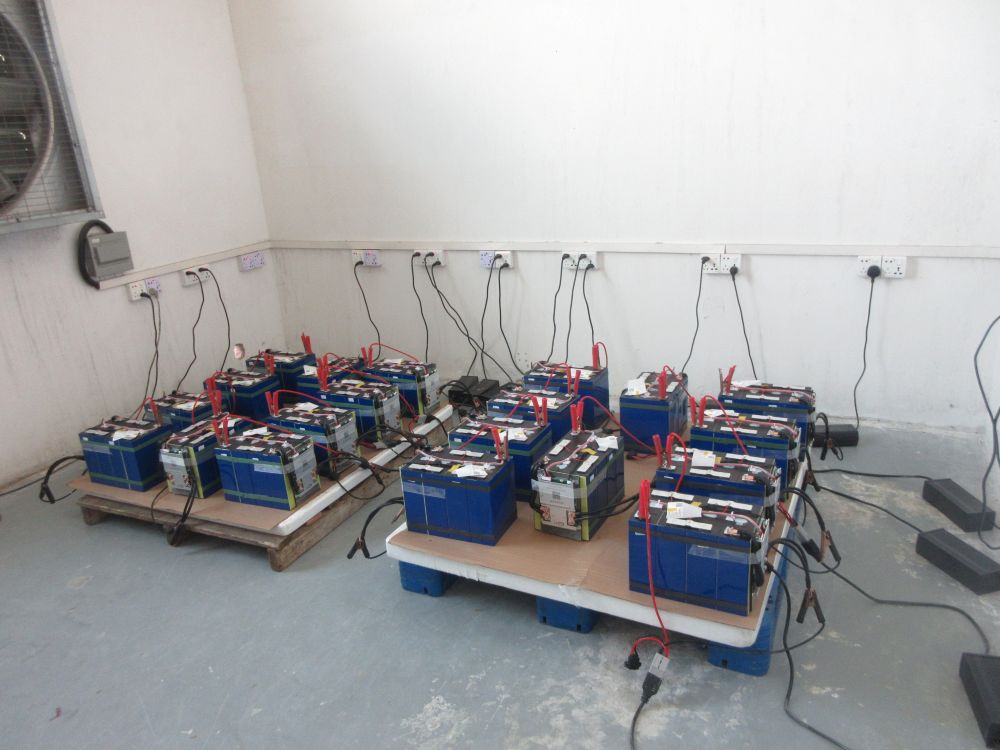
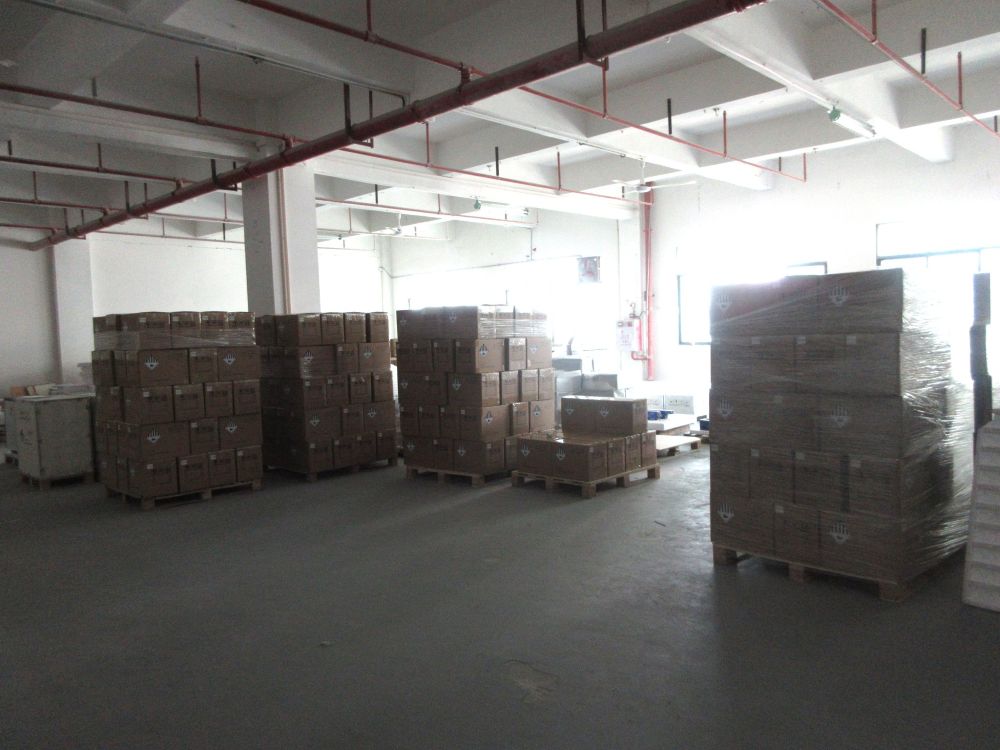
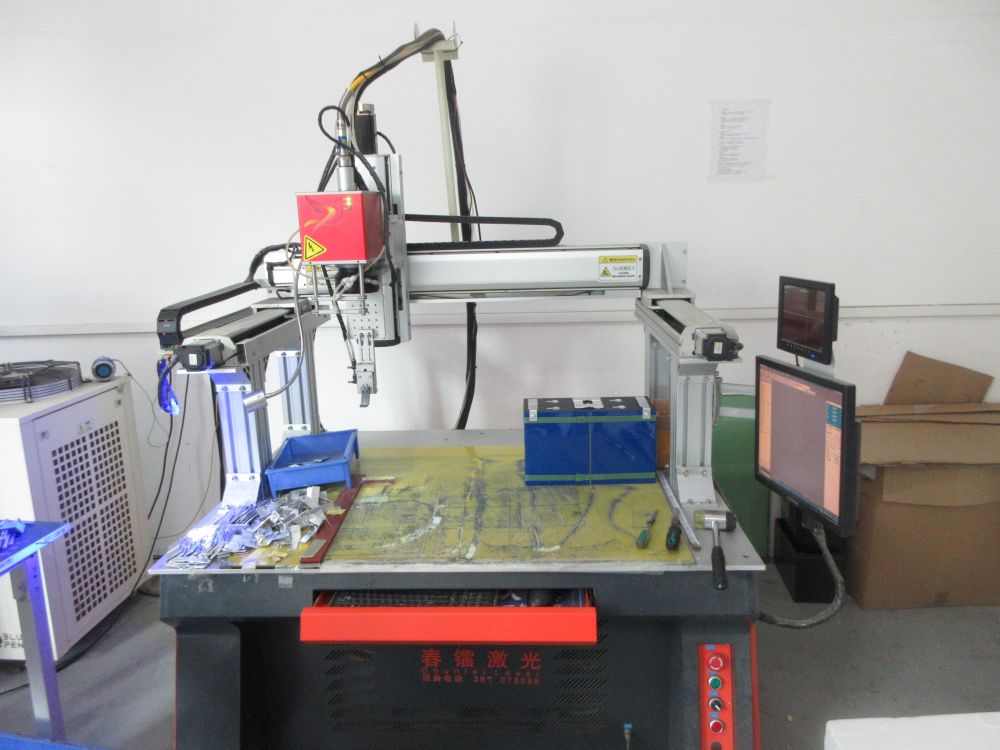
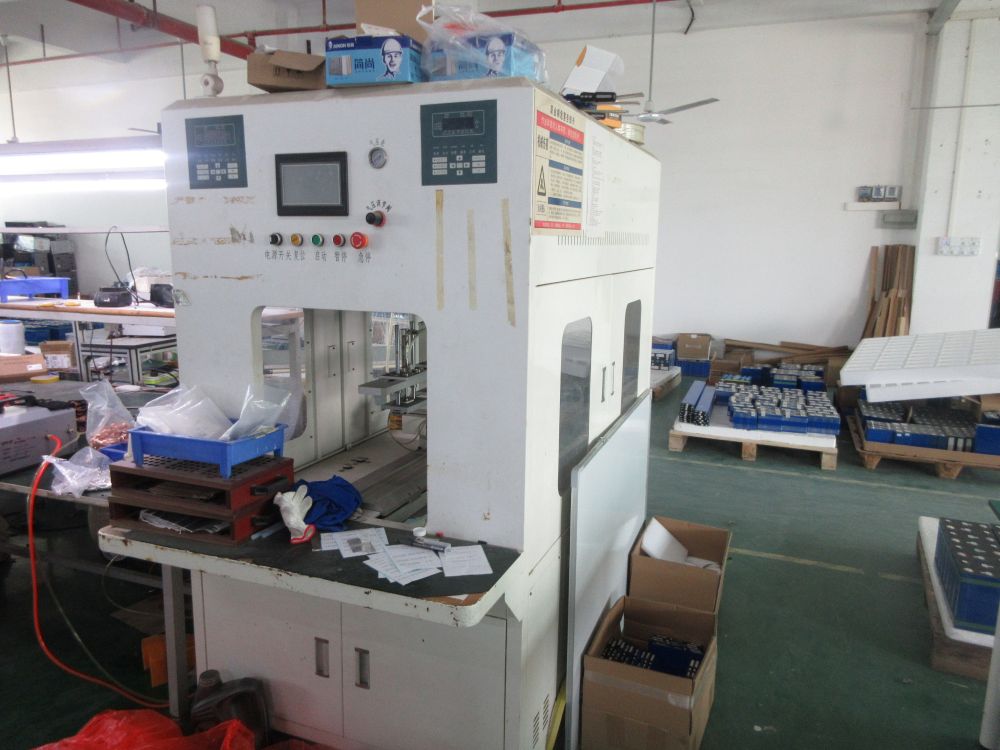
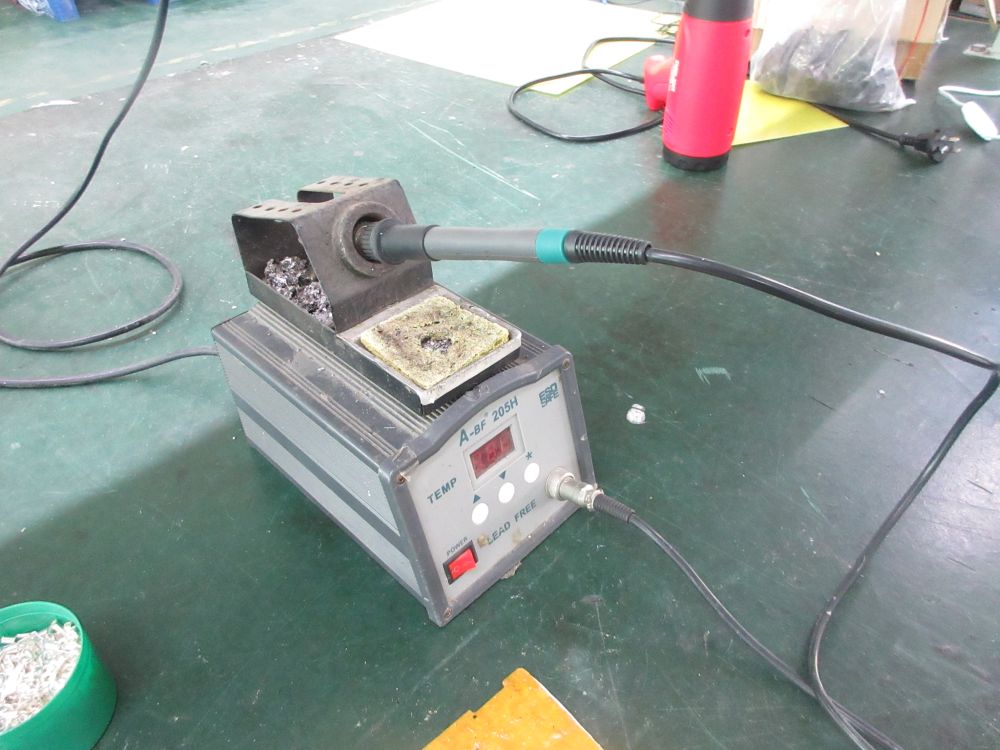
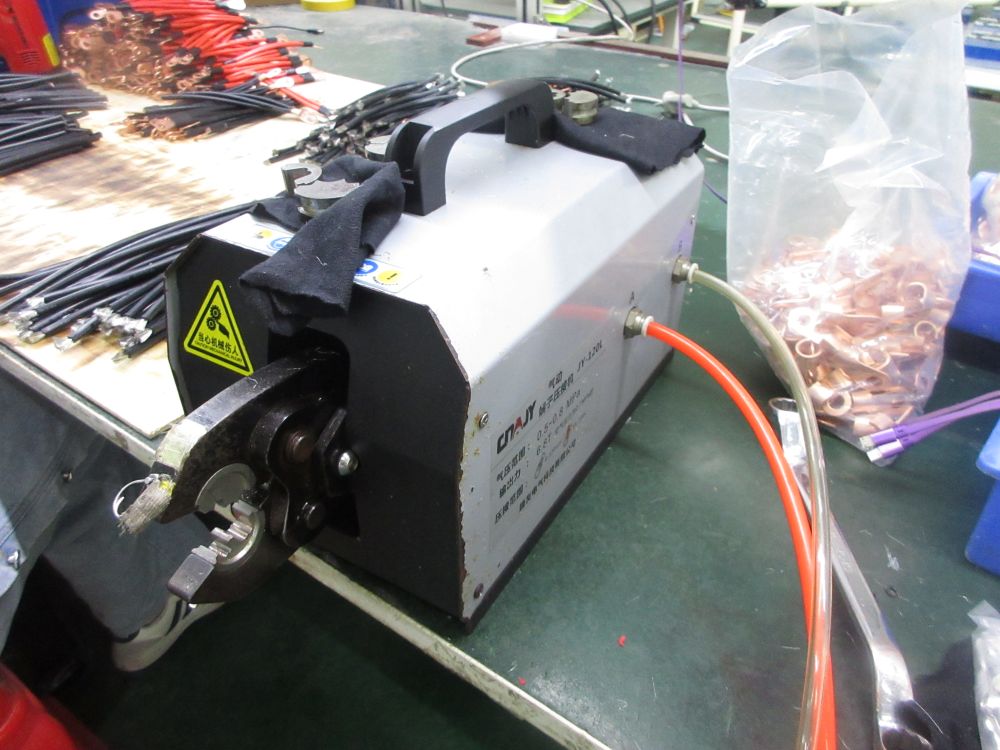
From raw wire cutting to advanced laser spot welding and high-precision testing, witness the detailed manufacturing pipeline behind Guangdong Hudd Energy.
A key bottleneck for international clean tech projects is obtaining regulatory approval from local grid operators. Without compliance certificates, utility companies will not allow grid interconnection. Guangdong Hudd Energy ensures that all exported BESS, solar-storage systems, and commercial hybrid PCS arrays align with standard compliance frameworks.
Our engineering team designs system integrations to meet specific regional requirements: UL 9540A to verify safety against thermal runaway at the battery level for the North American market; CE & EN 50549 for grid integration across European Union territories; and UN 38.3 certification for safe global transport of large lithium cargo. We work with third-party testing organizations to ensure all components comply with international safety and performance standards.
Beyond technical compliance, we provide flexible transaction support. Leveraging partnerships with Chinese manufacturing clusters and banking institutions, we offer trade finance solutions, secure transactions, and localized technical documentation. This support helps simplify the deployment of clean energy installations worldwide.
Get answers to technical, commercial, and safety questions about our wholesale energy transition technologies.
Integrating components from trusted manufacturers to deliver reliability, performance, and long-term utility compliance.
 Hudd Energy