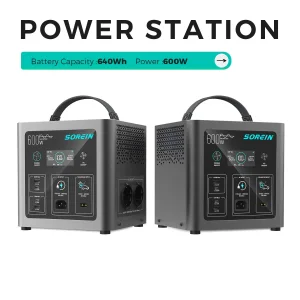
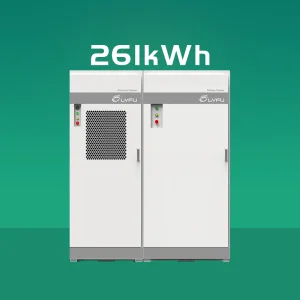
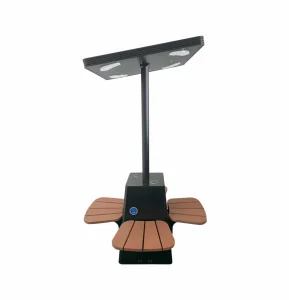
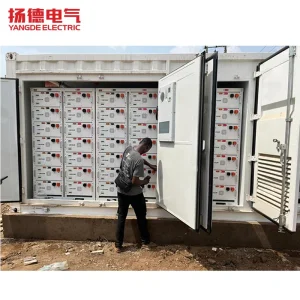
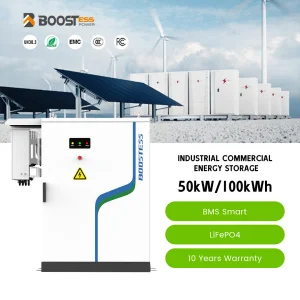
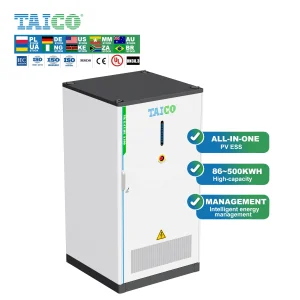
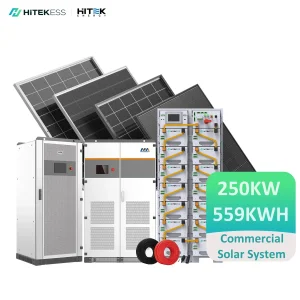
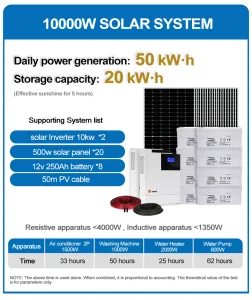
High-efficiency hardware for residential, commercial, and utility-scale deployments.
As the global energy landscape transitions from centralized fossil-fuel power plants to decentralized, renewable-heavy grids, Distributed Energy Resources (DER) have emerged as the cornerstone of energy resilience. DER encompasses a wide array of technologies, including Battery Energy Storage Systems (BESS), solar photovoltaic (PV) arrays, electric vehicle (EV) charging infrastructure, and smart demand-response units. For global enterprises, the integration of CE-certified DERs is no longer just a "green" initiative—it is a critical strategy for mitigating energy price volatility and ensuring operational continuity.
Corporate procurement of DER solutions has shifted from individual component sourcing to integrated systems. Modern manufacturers are now expected to provide "All-in-One" solutions that combine Tier-1 LFP battery cells, intelligent Energy Management Systems (EMS), and bi-directional power conversion systems (PCS). Current trends in the EU and North American markets highlight a preference for manufacturers who can demonstrate Information Gain through granular data on Levelized Cost of Storage (LCOS) and lifecycle carbon footprint tracking.
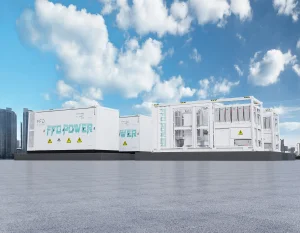
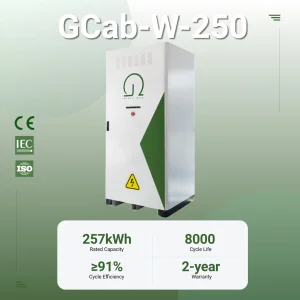
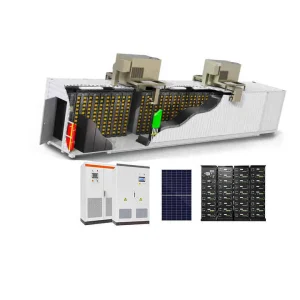
Large-scale 5MWh+ containerized systems provide peak-shaving and load-leveling capabilities for manufacturing hubs, reducing peak demand charges by up to 40%.
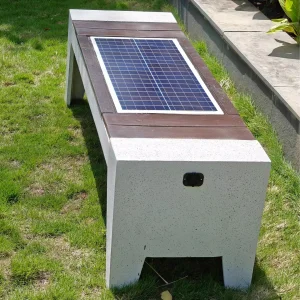
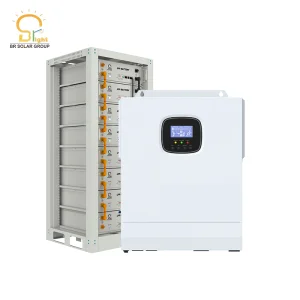
Integrated PV and BESS systems allow for 24/7 solar utilization, maximizing self-consumption and enabling true energy independence for remote commercial sites.
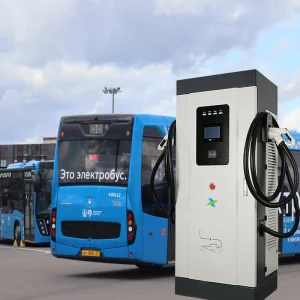
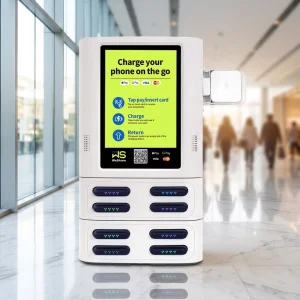
Level 3 DC fast chargers integrated with local storage mitigate grid stress and allow for rapid deployment of EV fleets without expensive grid upgrades.
A Professional Provider of Integrated Smart Energy Systems.
Guangdong Hudd Energy Co., Ltd. stands at the forefront of the renewable energy revolution. As a specialized integrator and developer, we bridge the gap between advanced manufacturing and practical project application. Our focus on CE Certified Distributed Energy Resources ensures that every system exported meets the rigorous safety and performance standards required by international markets.
Our competitive advantage lies in our Strategic Ecosystem Integration. By leveraging China's unparalleled manufacturing supply chain and combining it with professional engineering oversight, we deliver end-to-end solutions—from initial site assessment and solution design to equipment selection, commissioning, and long-term after-sales support. Our partnerships with top-tier financial institutions further facilitate global trade through flexible finance and secure transaction protocols.
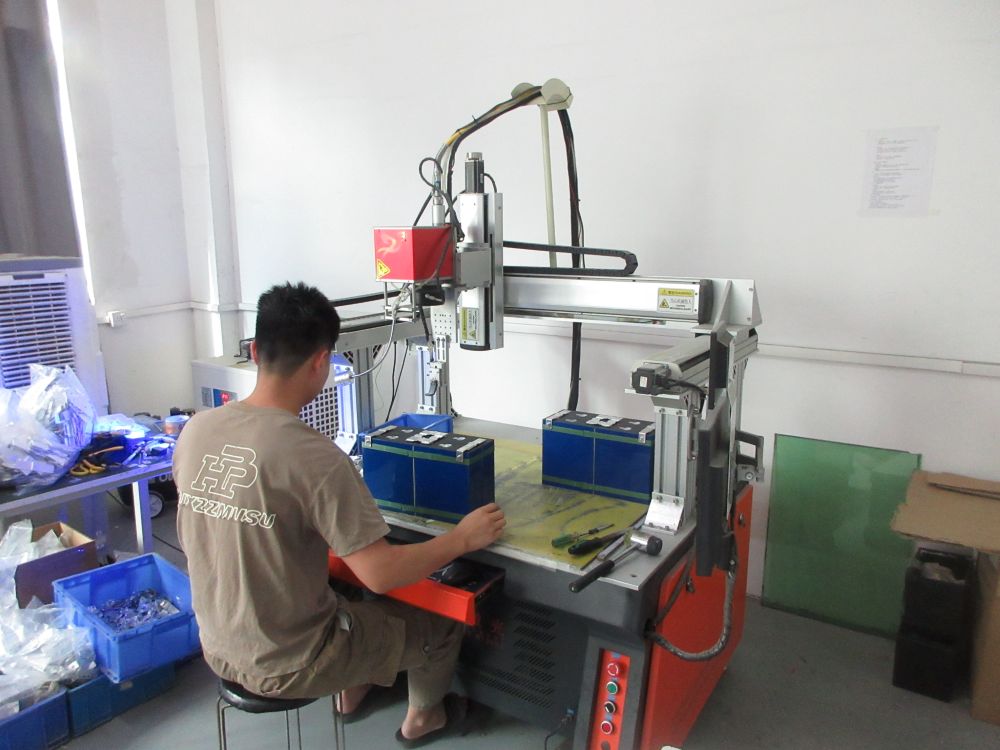 Laser Spot Welding
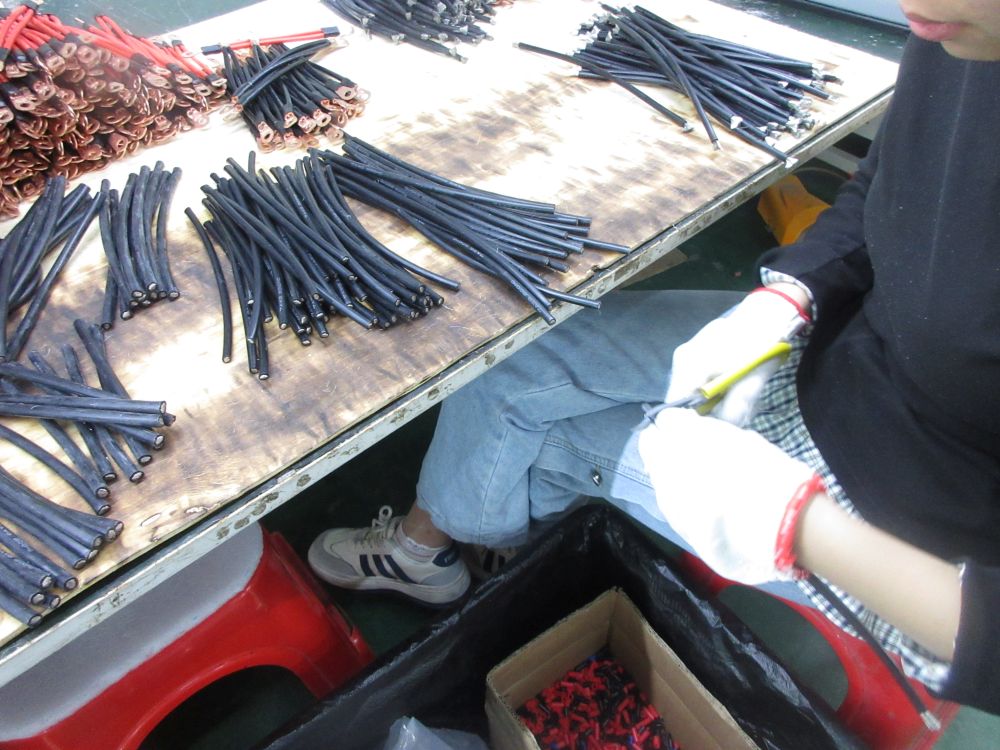 Cutting Wire
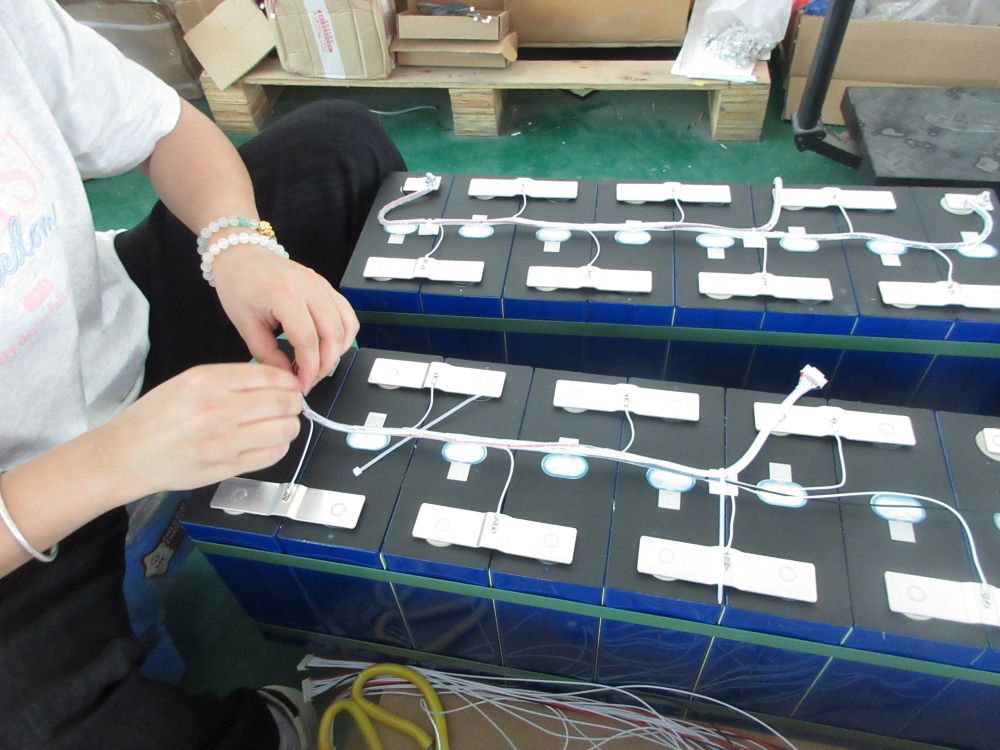 Connect the Wires
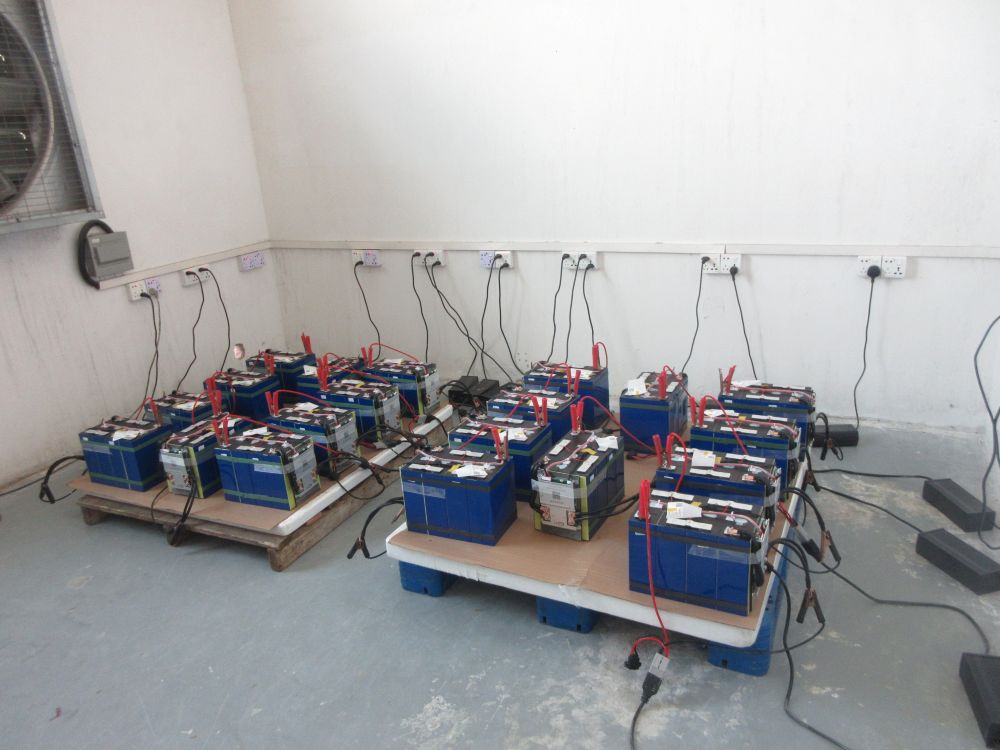 Charging
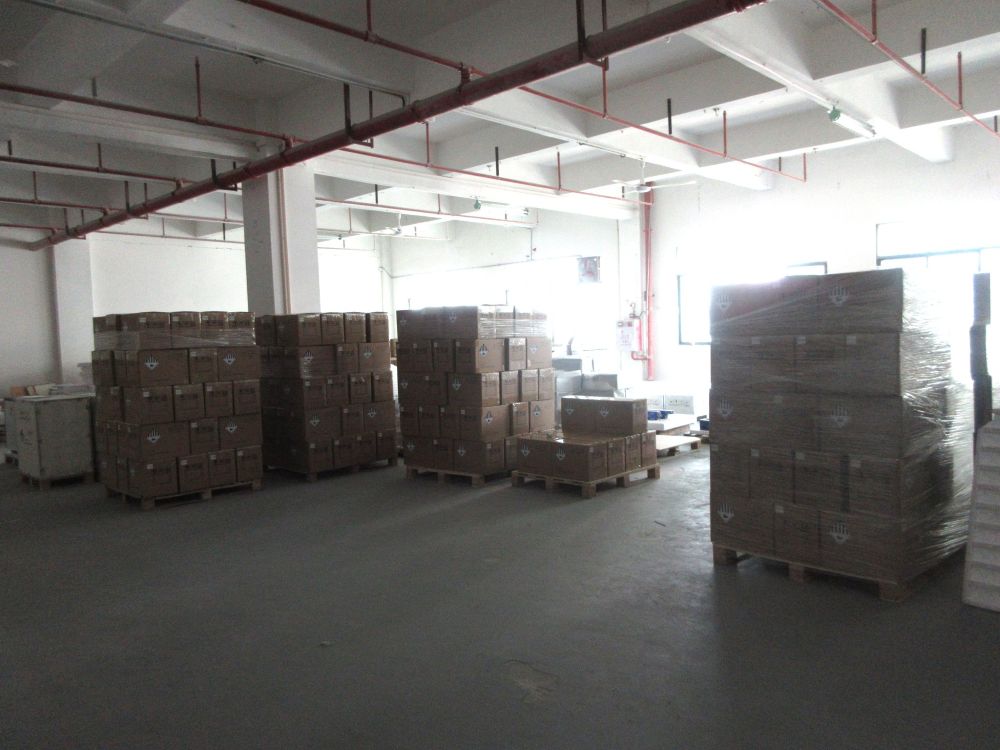 Storage
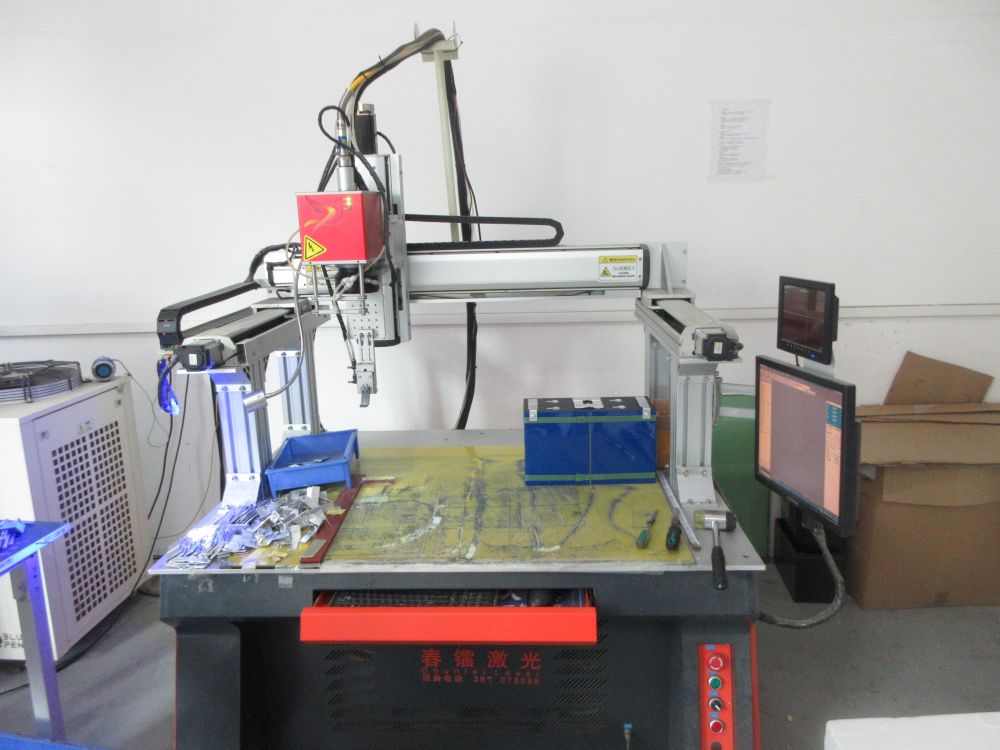 Laser Spot Welding Machine
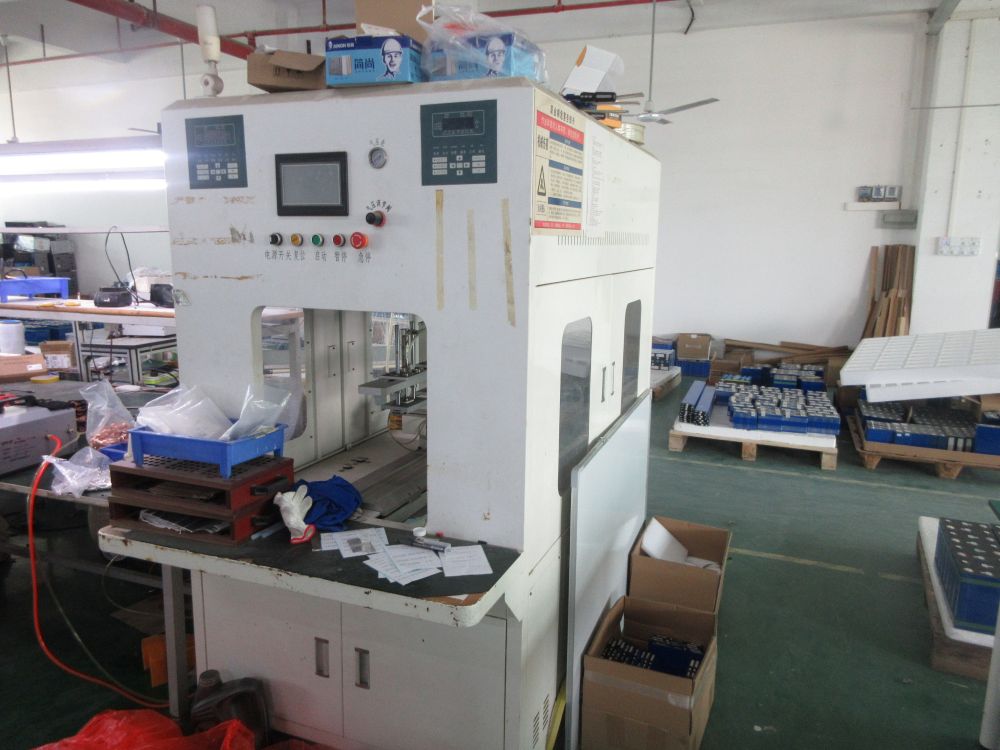 Spot Welding Machine
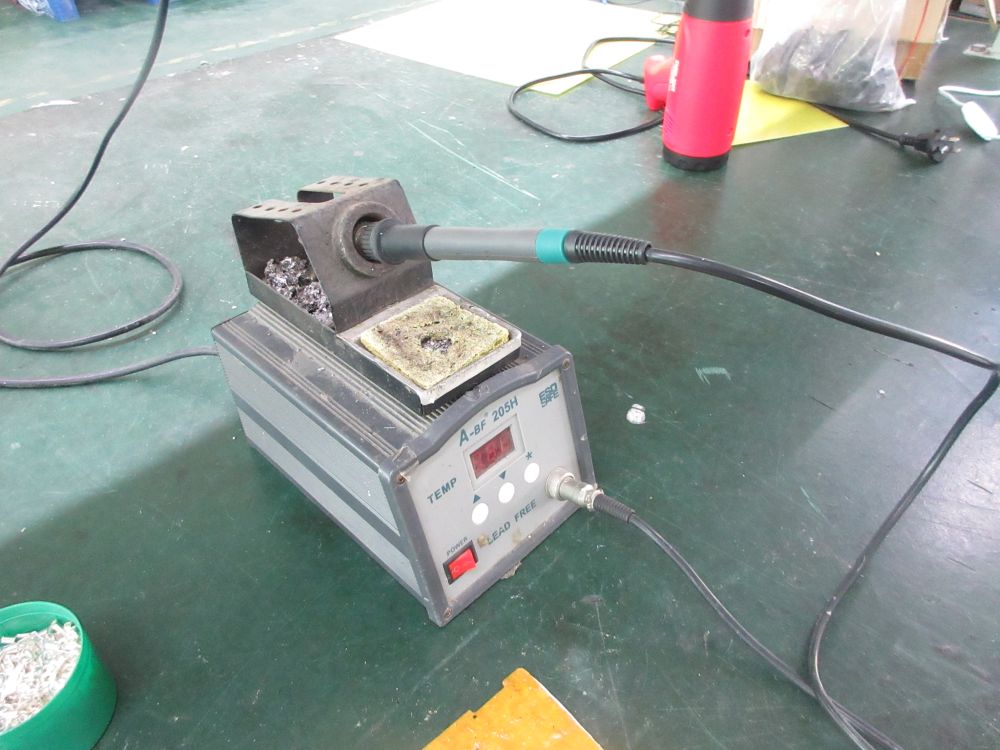 Electric Soldering Iron
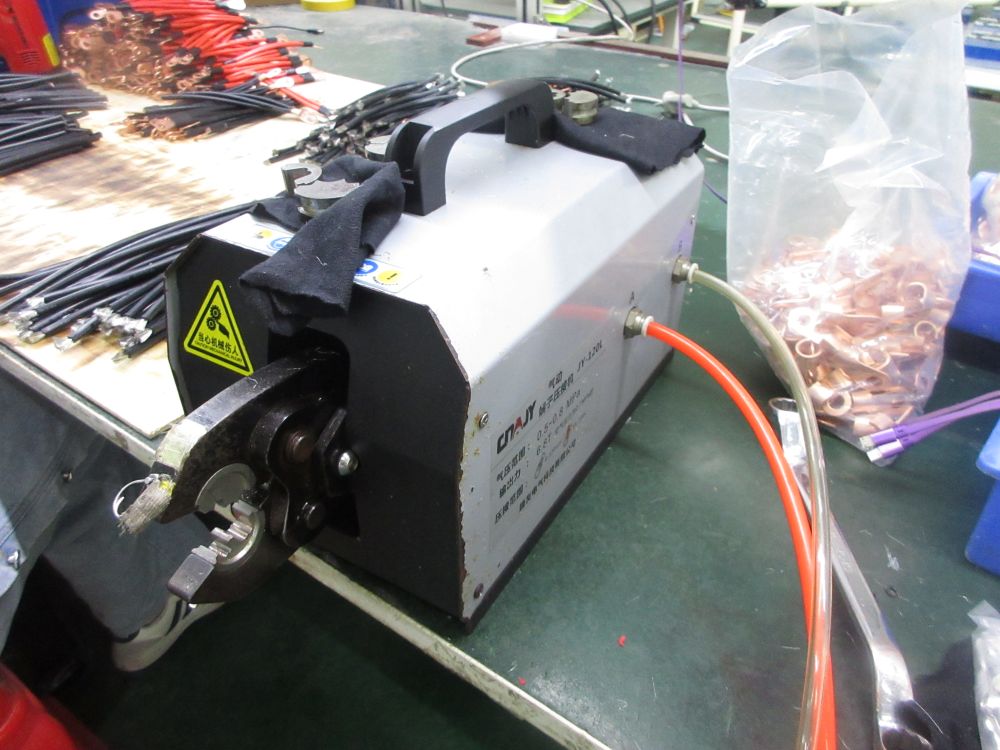 Terminal Crimping Machine
The DER sector is currently experiencing a massive shift in technology routes. Our roadmap focuses on three core pillars:
For large-scale users, the solution is never just about hardware. It is about Financial Optimization. By implementing our containerized 1MWh to 5MWh BESS, enterprises in Southeast Asia and South America have successfully bypassed weak grid infrastructure, enabling the operation of high-precision machinery that requires ultra-stable voltage. Locally supported by our regional teams, we provide the合规 (Compliance) assurance needed for local grid connection (G99, Rule 21, etc.).
CE Certification indicates that the energy storage system complies with the essential health, safety, and environmental protection standards for products sold within the European Economic Area (EEA). For DERs, this includes rigorous testing for electromagnetic compatibility (EMC), low voltage directives (LVD), and battery-specific safety standards (EN 62619).
DERs provide ROI through multiple streams: reducing peak demand charges, providing backup power to prevent production downtime, and enabling the sale of excess energy back to the grid (where feed-in tariffs apply). Most C&I projects see a break-even point within 5-7 years.
Off-grid systems are entirely independent of the utility grid, requiring significant battery storage to ensure power during non-solar hours. Hybrid systems connect to both the grid and battery storage, offering the flexibility to use grid power when it's cheapest and battery power during peak price periods.
Yes, our utility-scale containerized systems (like the 3.727MWh and 5MWh units) feature integrated HVAC or liquid cooling systems, IP54/IP55 protection ratings, and fire suppression systems (Aerosol or FM200) to operate reliably from -20°C to +50°C.
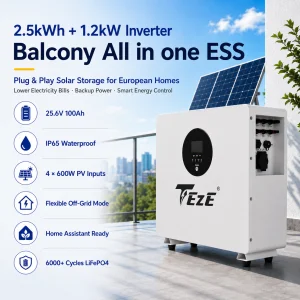
Scaling from residential balcony kits to utility-scale storage containers.
 Hudd Energy