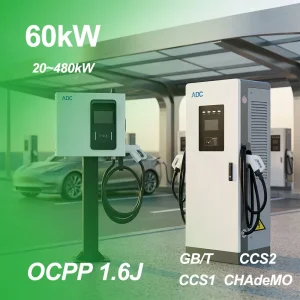
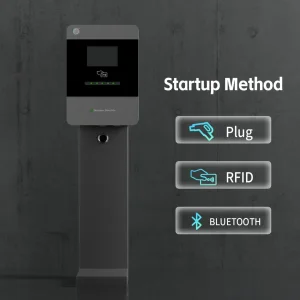
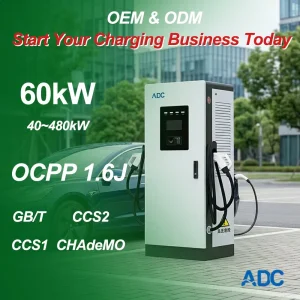
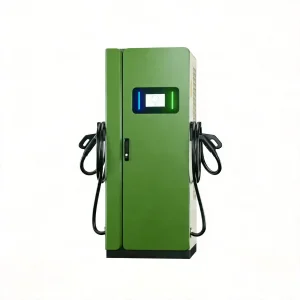
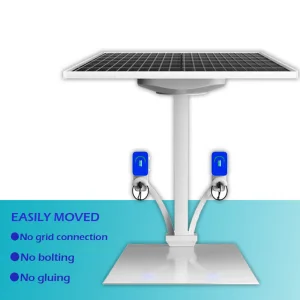
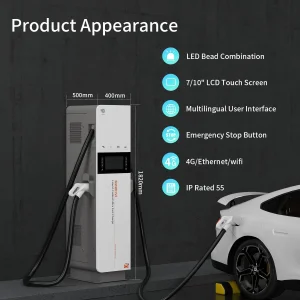
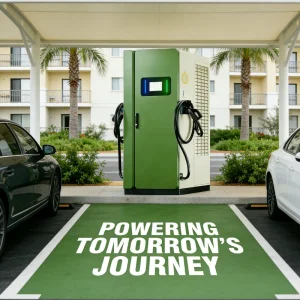
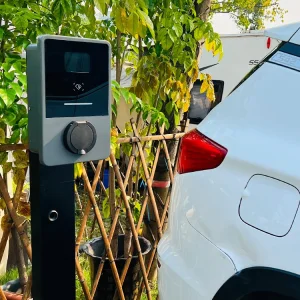
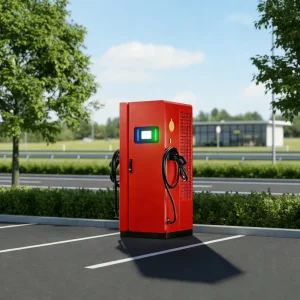
High-efficiency smart charging piles designed for seamless solar integration, optimized for the Dutch grid standard.
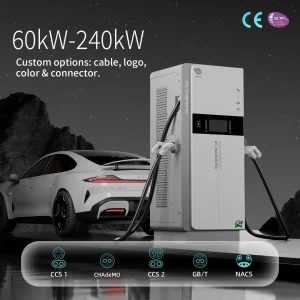
Decentralized Solar-Storage-Charging Systems: Bypassing Grid Capacity Bottlenecks (Netcongestie)
The Netherlands faces severe grid capacity bottlenecks. Integrating local solar generation with battery storage allows high-capacity charging without expanding grid grid connections.
Charge EVs during negative electricity rates on the EPEX SPOT market. Store cheap energy in local battery systems (BESS) and deploy it during high-tariff periods.
Ready for next-gen smart charging networks. Support bidirectional vehicle-to-grid (V2G), Plug & Charge validation, and grid-responsive peak shaving.
As the Netherlands approaches its ambitious zero-emission transport targets, grid congestion (netcongestie) has become the single largest bottleneck for developers of logistics fleets, highway charging hubs, and commercial estates. Regional grid operators (DSOs) such as Liander, Enexis, and Stedin are increasingly rejecting or delaying applications for new heavy-duty power connections. In this complex landscape, the reliance on grid-connected fast chargers is shifting toward decentralized microgrid solutions that merge solar power generation, battery energy storage systems (BESS), and intelligent EV charging infrastructures.
Guangdong Hudd Energy Co., Ltd. serves the Dutch market by engineering customized, turnkey charging configurations designed specifically to address these challenges. By incorporating local solar PV carports, highly responsive battery banks, and dynamic energy management systems (EMS), our technology buffers the local distribution network, storing solar energy when generation peaks and dispensing it dynamically to electric cars and commercial fleets during peak logistics hours.
Pioneering Next-Generation Energy Architectures to Meet Global Climate and Trade Directives
The global transition to electric mobility has entered a second phase: the convergence of utility generation, local microgrids, and transport fuel delivery. The deployment of high-power Megawatt Charging Systems (MCS) for commercial transport and high-speed DC charging networks requires energy delivery speeds that traditional distribution grids cannot supply alone. In Europe, the Alternative Fuels Infrastructure Regulation (AFIR) is driving rigid construction targets for charging points along primary TEN-T transport corridors, mandating easy access and payment interoperability.
Simultaneously, commercial and industrial (C&I) corporate centers are facing strict ESG disclosure regulations and corporate sustainability targets under the EU Corporate Sustainability Reporting Directive (CSRD). Transitioning standard fleet operations to electric vehicles is no longer simply about buying clean vehicles; it requires companies to secure clean electricity. Charging vehicles directly from rooftop PV solar arrays eliminates grid conversion losses and minimizes the scope 2 emissions associated with standard grid power consumption. Partnering with a specialized manufacturer like Hudd Energy provides the technical reliability, high production capacity, and compliant equipment design required to meet these rigorous regulatory standards.
DC-Coupled Architecture & Dynamic Power Balancing Systems
By routing power directly from photovoltaic panels through high-efficiency DC-DC converters to the EV charging line, we eliminate multiple DC-AC-DC conversion steps. This maintains an overall system efficiency rate above 96%.
Integrating real-time current transformers (CTs) with advanced smart management controllers allows the charger to automatically scale its output based on overall building electrical consumption and solar yield.
All public and industrial charging cabinets are constructed with marine-grade structural coatings (C5-M anti-corrosion protection) and IP65/IP66 enclosure ratings, ideal for coastal installations in Dutch ports.
Engineered For Zero-Emission Urban Zones and Agricultural Microgrids
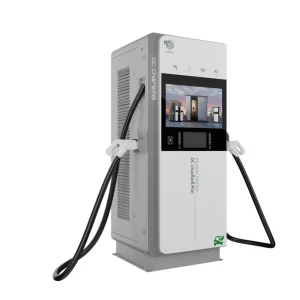
With over 30 Dutch municipalities establishing Zero-Emission Zones (ZEZ) for city logistics, logistics companies must rapidly electrify their last-mile delivery fleets. Our high-capacity 240kW and 360kW DC split charger systems, connected directly to localized BESS units, ensure that fleets of electric delivery vans can fast-charge overnight or during loading windows without exceeding the grid's maximum contracted capacity limit (gecontracteerd transportvermogen).
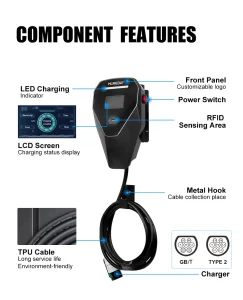
Dutch corporate real estate developers aim for "Outstanding" BREEAM ratings to secure premium tenants. Installing smart AC Type 2 Wallbox stations equipped with OCPP 1.6J/2.0.1 allows businesses to monitor energy distribution, process staff and visitor RFID credentials, charge for usage, and dynamically match charging output to corporate solar roof yields.
The Netherlands is a global leader in high-tech horticulture, utilizing vast greenhouse installations with onsite combined heat and power (CHP) and extensive rooftop solar arrays. By integrating our DC fast-charging terminals, agricultural businesses can convert surplus solar energy into high-value mobility fuel for operational vehicles, transport fleets, and public visitors.
Premium OEM/ODM Manufacturing Infrastructure & Advanced Engineering Capabilities
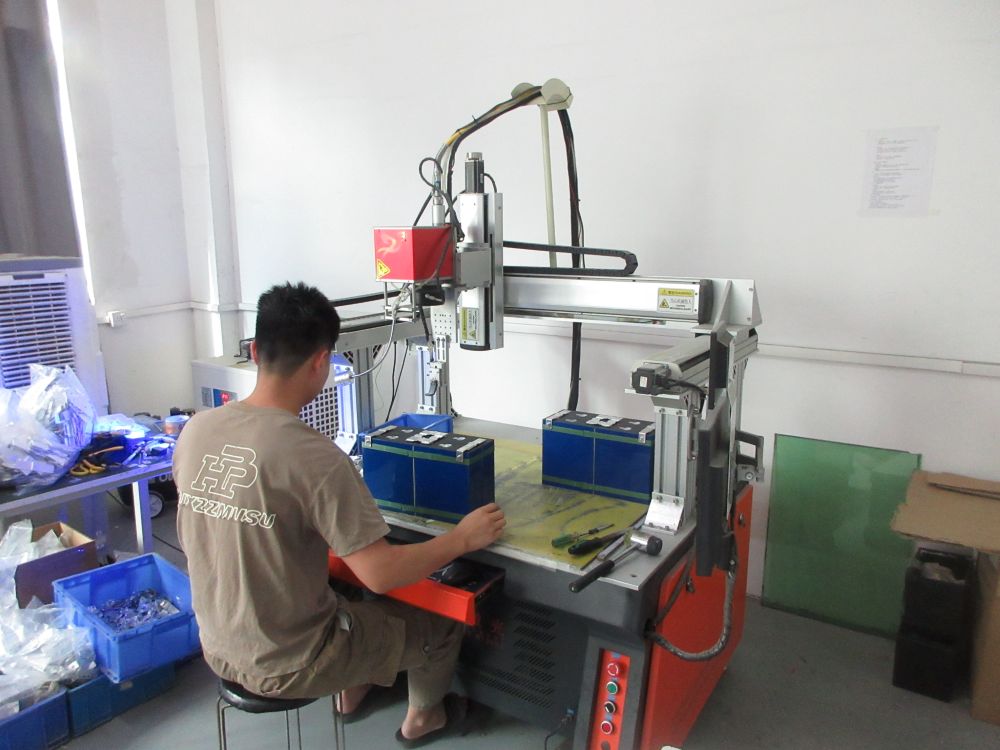
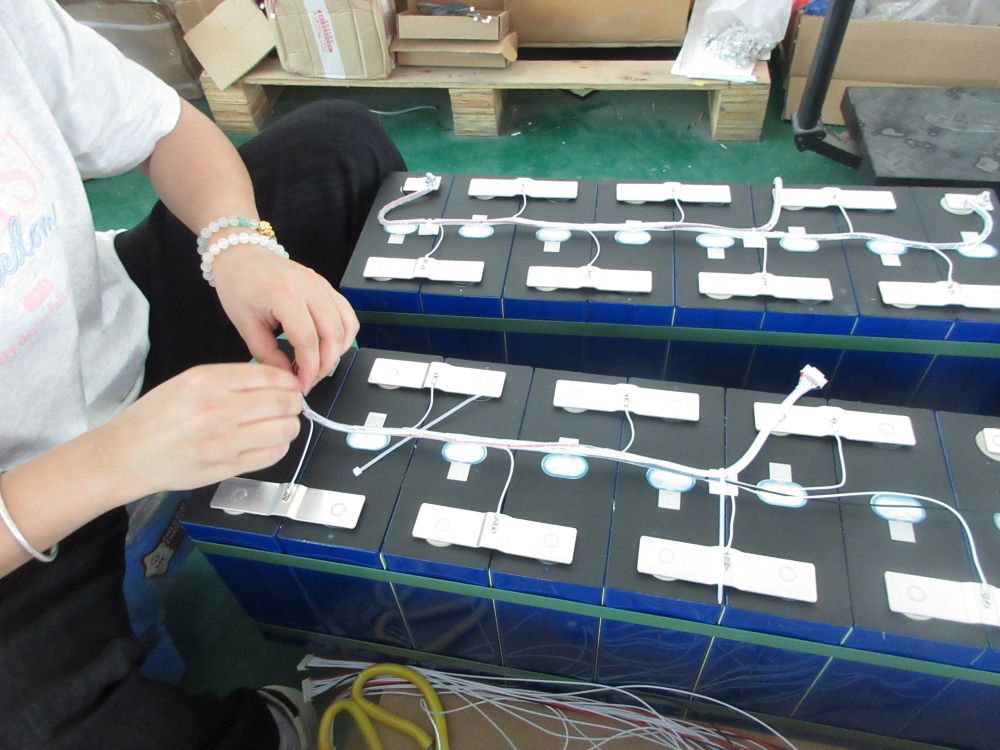
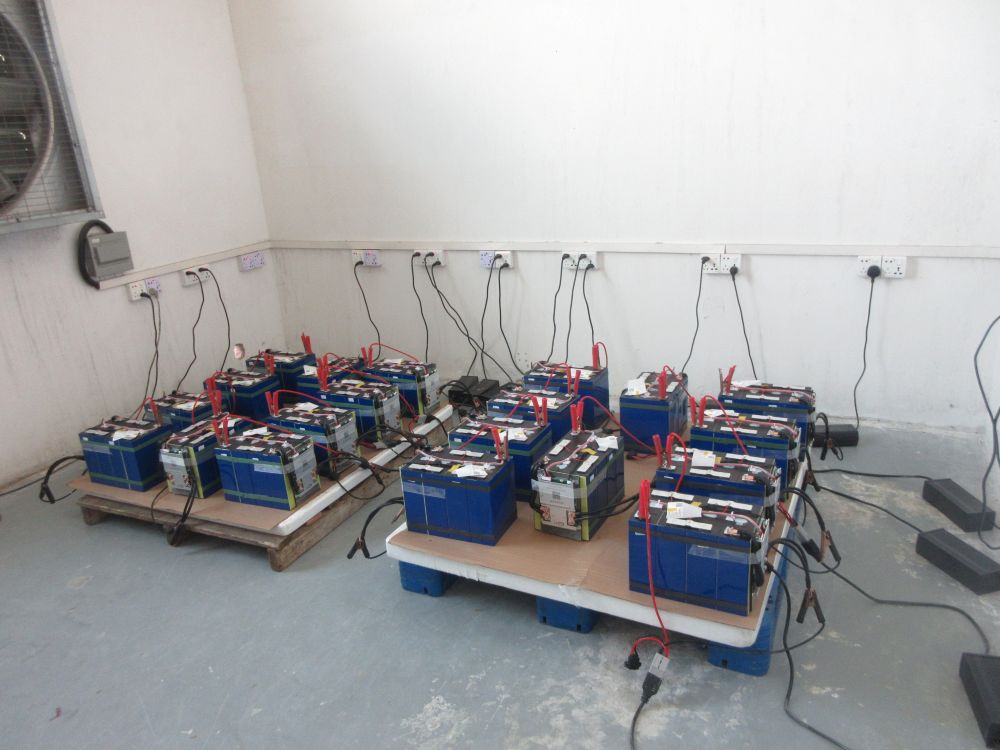
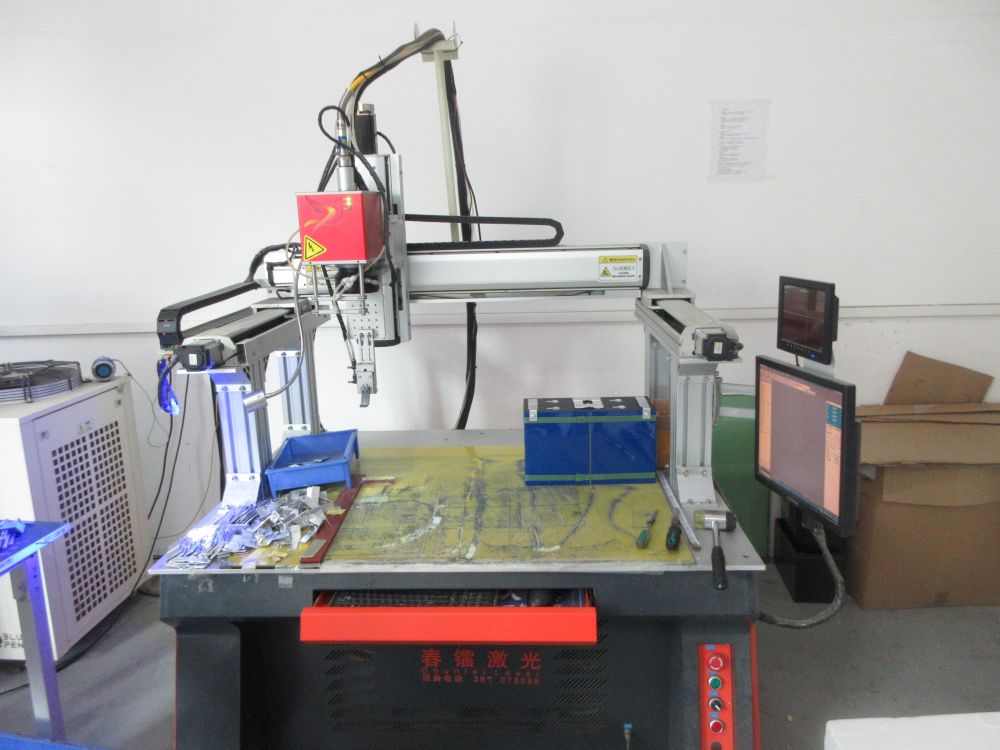
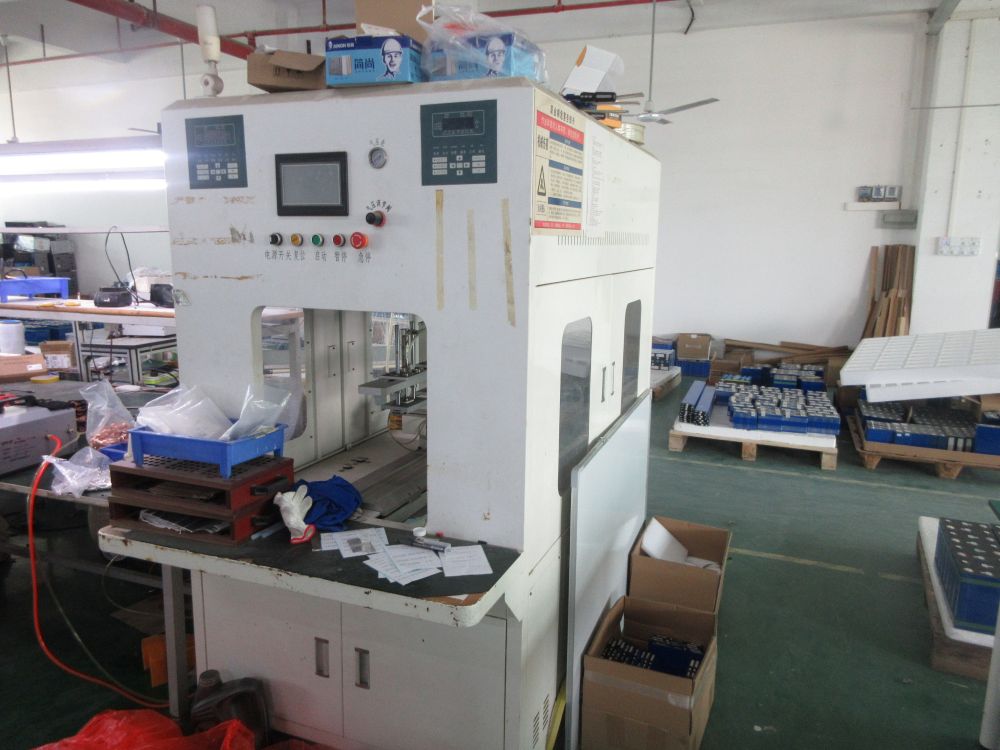
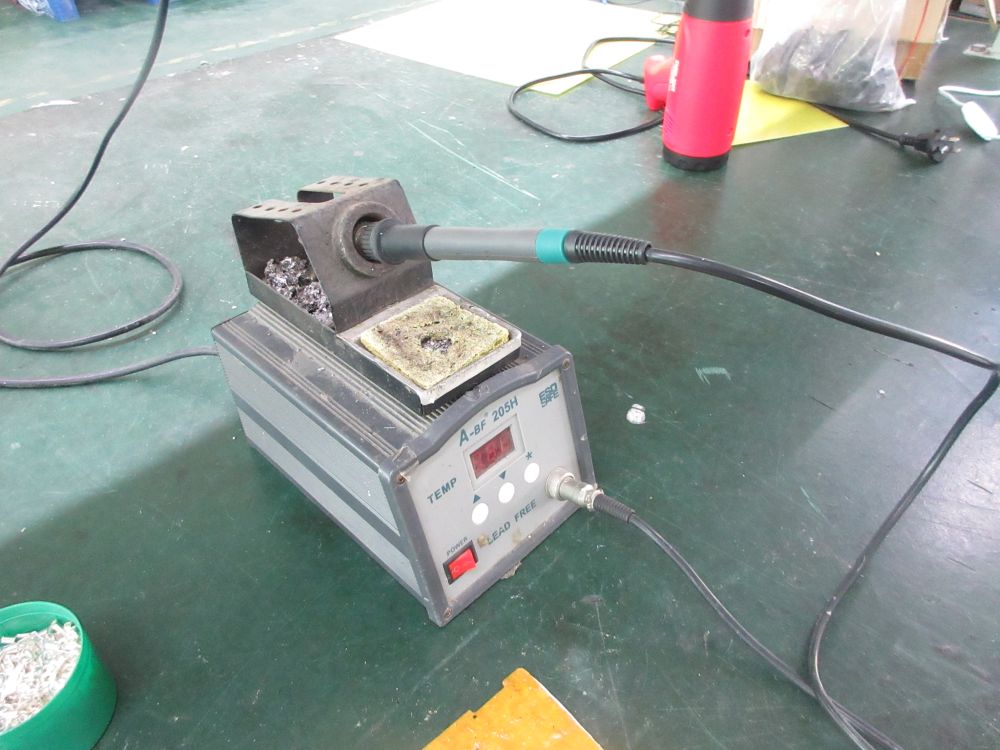
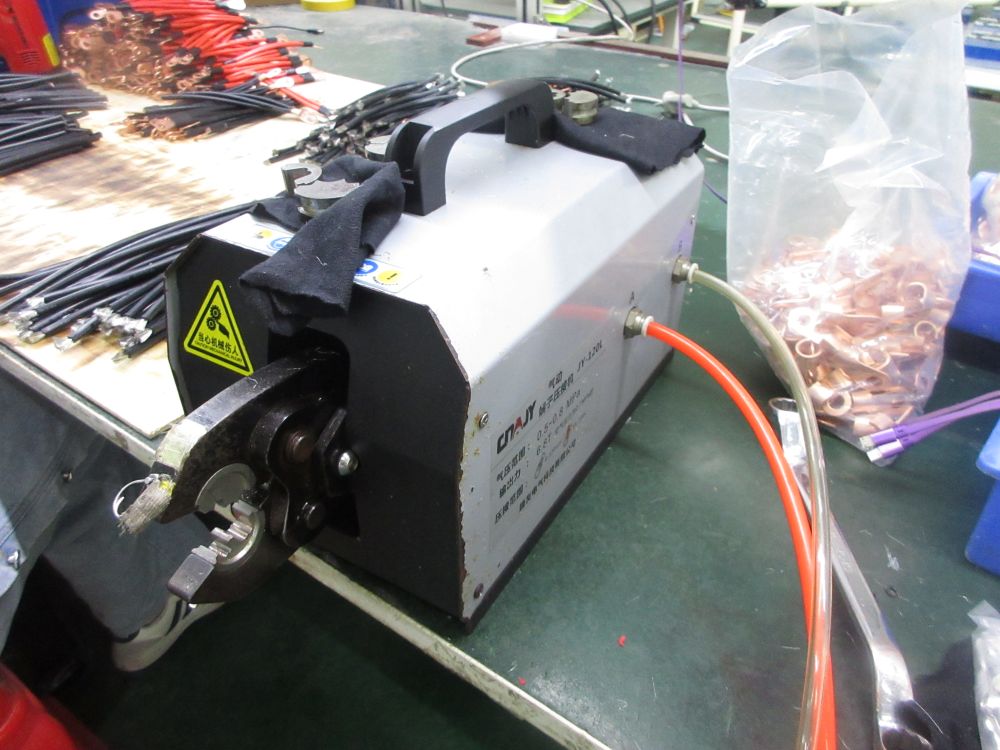
Guangdong Hudd Energy Co., Ltd. is a professional provider of renewable energy products, energy storage solutions, and integrated smart energy systems. The company specializes in the development, supply, and integration of advanced energy storage systems (ESS), solar power solutions, EV charging infrastructure, and integrated solar-storage-charging stations, delivering efficient, reliable, and sustainable energy solutions to customers worldwide.
Beyond supplying individual products, Hudd Energy offers comprehensive system integration services tailored to diverse project requirements. Leveraging extensive industry expertise, the company provides end-to-end support covering solution design, equipment selection, system integration, project management, commissioning, and after-sales services. This enables customers to implement optimized energy solutions with enhanced efficiency, performance, and long-term reliability.
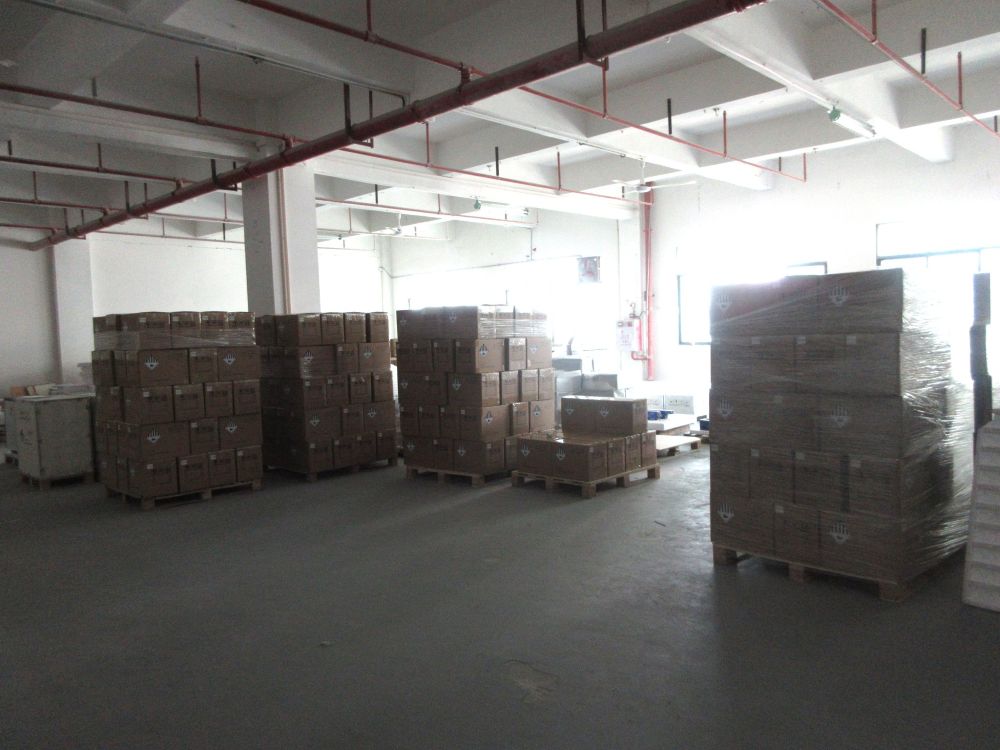
With strong partnerships across China's manufacturing ecosystem, Hudd Energy benefits from a robust and competitive supply chain, ensuring high-quality products, stable delivery schedules, and cost-effective solutions. The company also maintains strategic cooperation with financial institutions and banking partners, providing flexible trade finance support and secure transaction services to facilitate the successful execution of international projects.
Hudd Energy's product portfolio serves a wide range of applications, including residential, commercial, industrial, utility-scale energy storage projects, electric vehicle charging networks, and distributed renewable energy systems. The company is committed to helping customers reduce energy costs, improve energy independence, and achieve their sustainability goals.
Over the years, Guangdong Hudd Energy has successfully expanded its presence in international markets, particularly in Southeast Asia, South America, the Middle East, and Africa, earning the trust and recognition of clients through reliable products, professional services, and long-term partnerships.
Looking ahead, Guangdong Hudd Energy Co., Ltd. will continue to drive innovation in clean energy technologies, strengthen its global market presence, and contribute to the worldwide transition toward a greener, smarter, and more sustainable energy future.

A Comprehensive, Managed Approach to Enterprise Decarbonization
Transitioning business parks or fleet terminals to sustainable infrastructure requires a system-level design. Guangdong Hudd Energy Co., Ltd. provides comprehensive engineering services, coordinating high-efficiency monocrystalline solar canopies, industrial-grade liquid-cooled or air-cooled energy storage arrays, and charging hardware. By managing the primary power conversion stages through a single system architecture, we reduce conversion losses, avoid hardware conflicts, and offer clients a single point of technical support.
Our centralized EMS software controls the energy flow in real time. It monitors solar generation, measures building power consumption, and communicates with connected EVs via OCPP. By prioritizing solar self-consumption, charging speeds are modulated to match generation peaks, minimizing grid power draw during peak-rate periods.
Explore our complete range of smart EV charging stations, commercial wallboxes, and high-capacity battery solutions.
Answers to Technical and Regulatory Inquiries for Charging Infrastructure Projects
Contact our senior technical sales team for grid integration studies, site layouts, and custom OEM/ODM hardware configurations.
 Hudd Energy