Hudd Energy
1 / 5
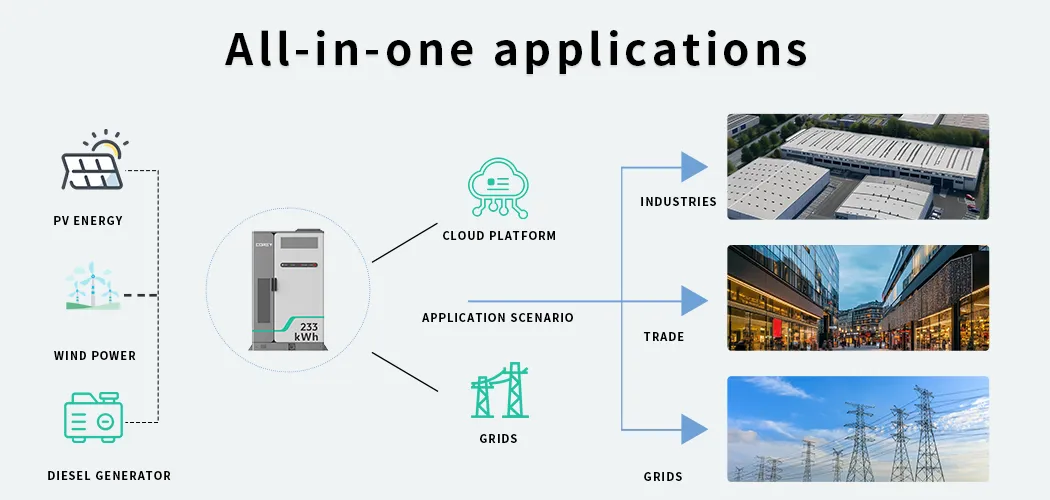
Buying low-cost electricity during off-peak hours and discharging it during peak or ultra-peak periods to reduce corporate energy costs.
Optimizing demand through energy storage deployment to minimize short-term peak loads, lower demand charges, and enhance user revenue.
During power shortages, enterprises voluntarily reduce consumption (e.g., peak shaving) to support grid stability, earning economic incentives in return.
Providing emergency power to critical uninterrupted loads in industrial parks during outages, ensuring operational continuity and business continuity.
As an independent market entity, commercial and industrial energy storage often participates in various power market transactions—such as peak shaving, frequency regulation, and spot trading—through aggregated storage or virtual power plant models, thereby boosting user profits.
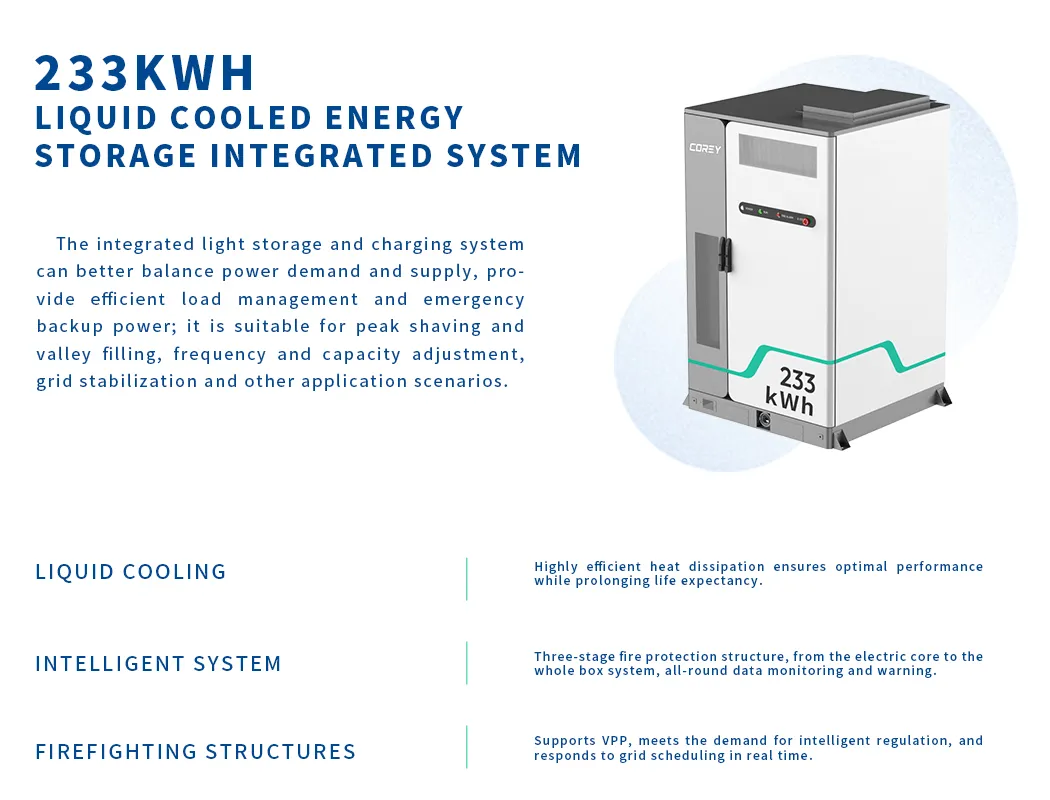
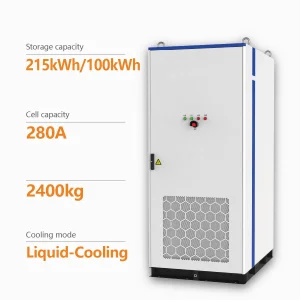
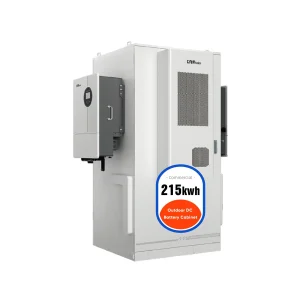
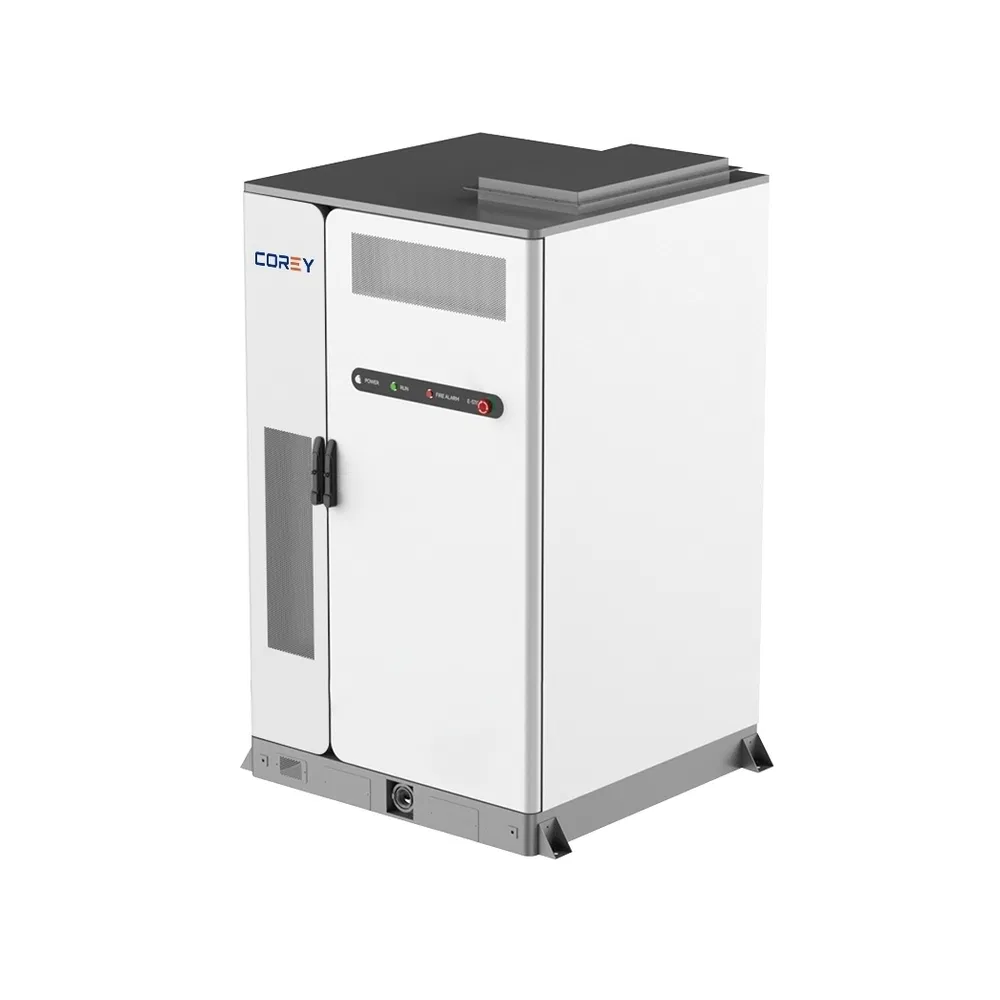
| Product Model | Model 233CE | |
|---|---|---|
| System Parameter | Battery Cell | LFP(LiFePO4) 3.2V 280Ah |
| System Capacity | 233kWh | |
| Rated Power | 105kW | |
| Access Method | 3W+N/3W+N+Pe | |
| Communication | CAN/RS485/Ethernet/4G | |
| Communication Standard | Modbus TCP, Modbus RTU, CAN2.0, IEC61850, IEC104 | |
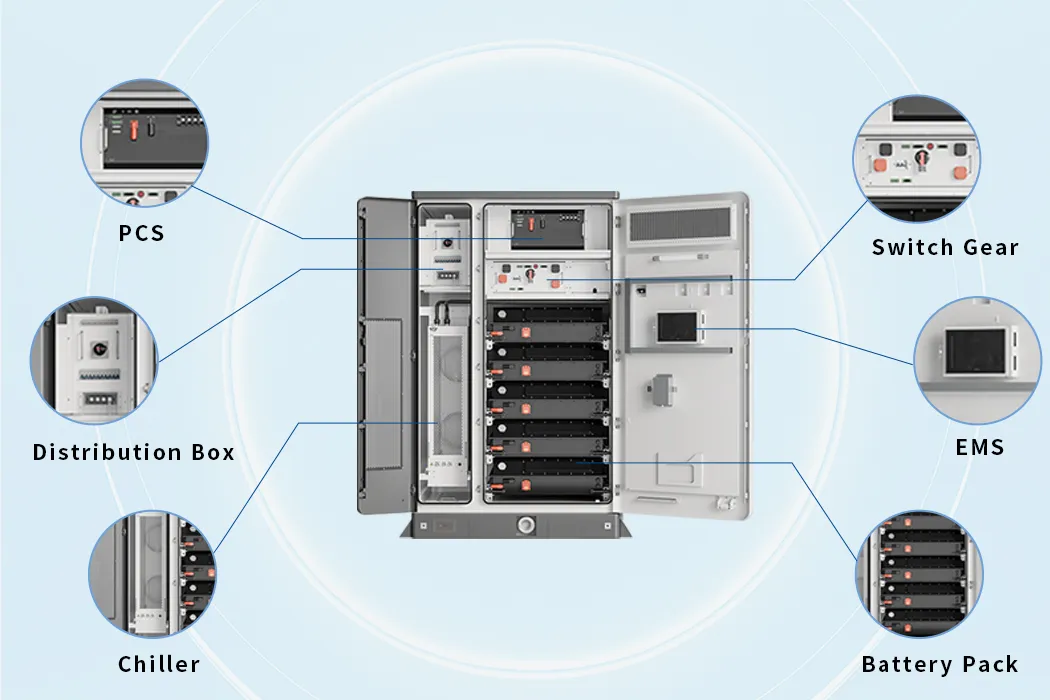
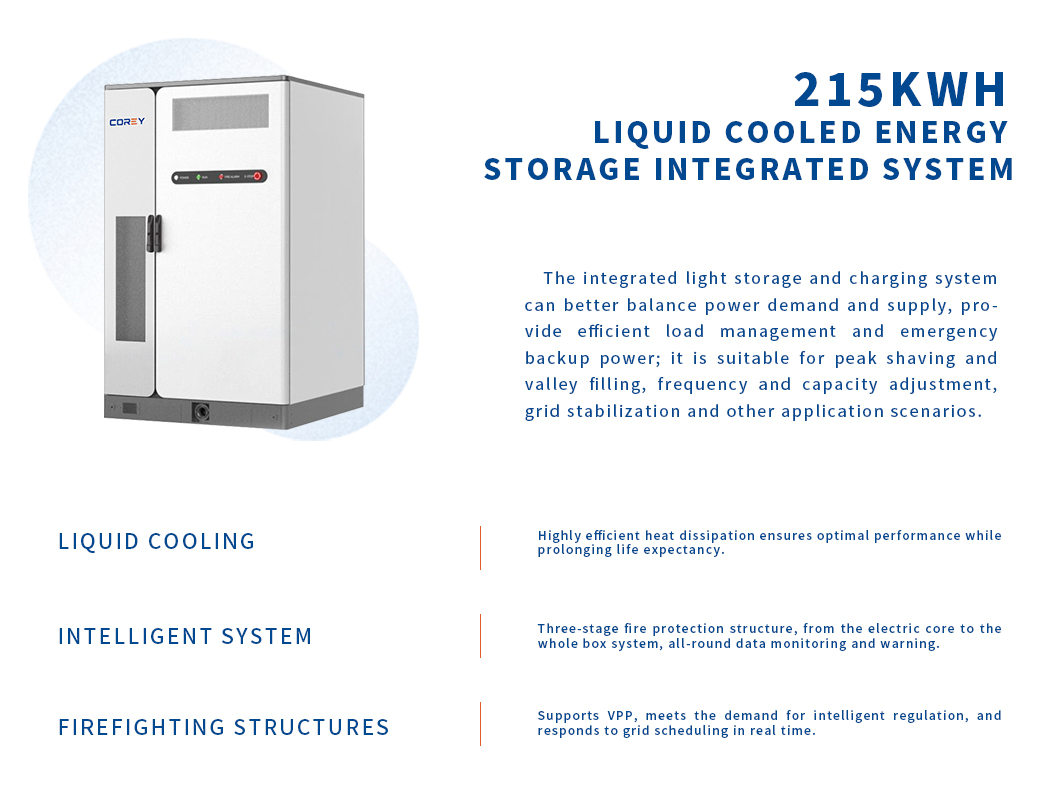
| Cooling Method | Intelligent Liquid Cooling | |
| Fire Fighting | Aerosol(pack-level + cluster-level ) + Water Fire Protection(cabinet-level) | |
| Operating Altitude | 4000m(>2000m, derating operated) | |
| Operating Temperature | 0ºC~50ºC(charge), -20ºC~50ºC(discharge), 25ºC±2ºC(optimum) | |
| Relative Humidity | 5% ~ 95% RH | |
| Protection Level | IP54 | |
| Anti-corrosion Level | C4 | |
| Noise | ≤75dB | |
| Weight | 2800kg±50kg | |
| Size | L1560mm*D1380mm*H2385mm | |
| AC Side | Rated Voltage | 230V/400V(±15%) |
| Rated Frequency | 50/60 Hz | |
| Maximum Current | 167A | |
| Power Factor | ≥0.99(-1~1) | |
| DC Component | <0.5% | |
| THDi | <2%(rated power) | |
| THDu | <3%(off-grid, linear load) | |
| Charge-Discharge conversion time | <100ms | |
| Automatic on-grid and off-grid switching time | 20ms(optional) | |
| Anti-backflow | Optional | |
| Overload Capability | 1.1 times for long-term | |
| DC Side | Series-parallel Number | 1P260S |
| Rated Voltage | 832V | |
| Voltage Range | 728~936V | |
| Maximum Current | 159A | |
| Discharge Depth | 95%DOD | |
| Certifications | CQC, LVRT/HVRT, EN 62477, EN 61000, EN 50549-2, UN38.3, EN 62619, VDE 4105, VDE O126-1-1, XP C15-712-3, UTE C15-712-1, VFR 2019 | |
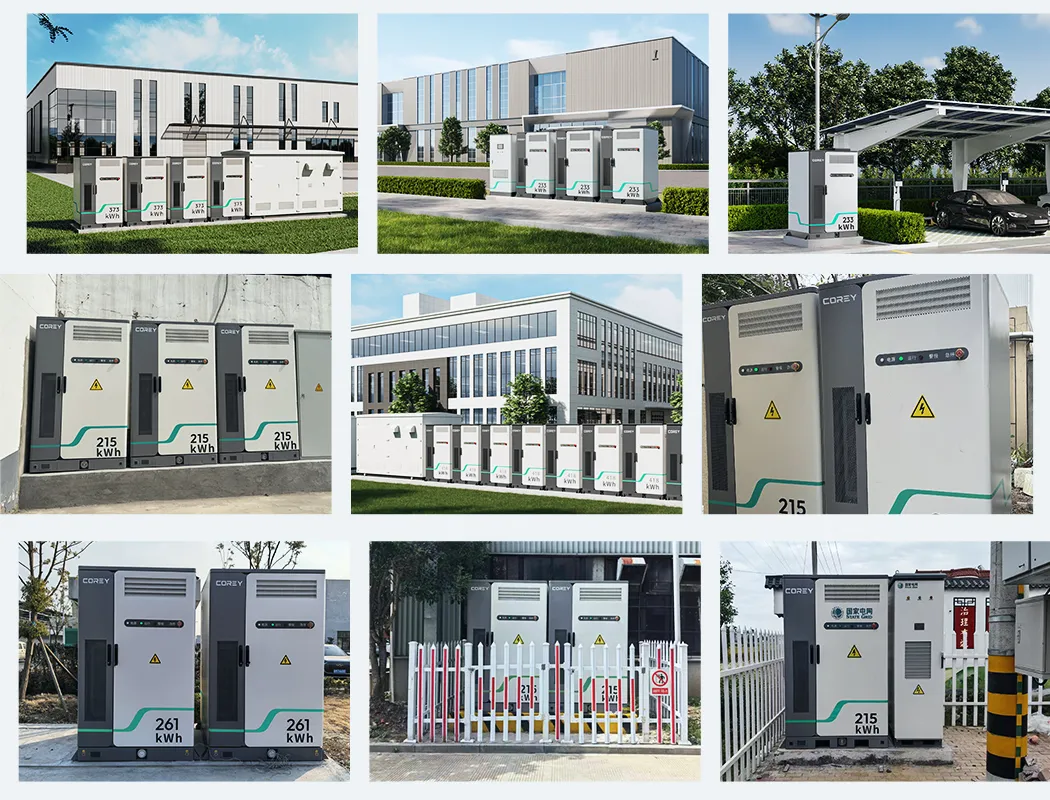
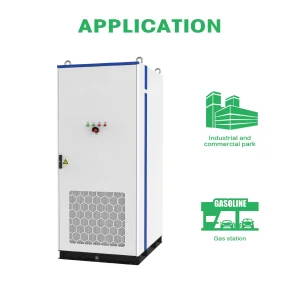
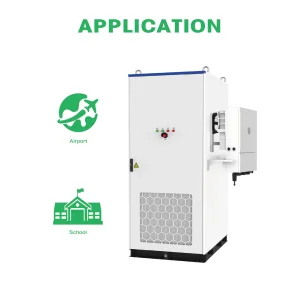
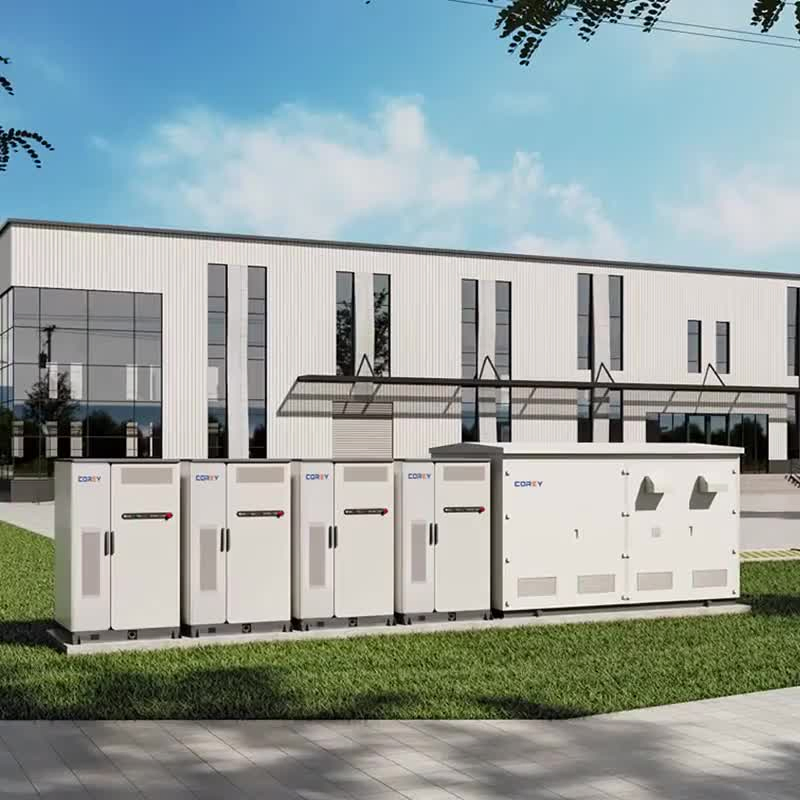
Factory buildings, commercial buildings, areas with power shortages, and remote areas.