Pre-engineered solutions configured for regional grid fluctuations, featuring rapid switching and high thermal resilience.
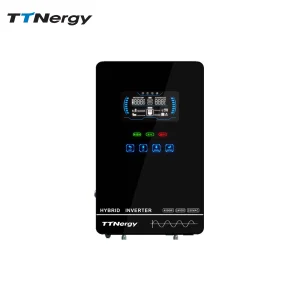
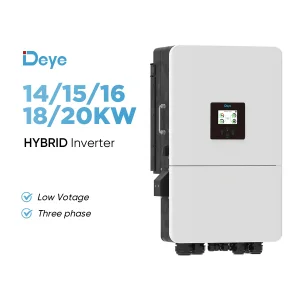
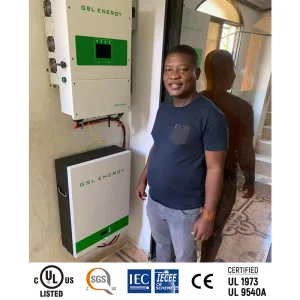
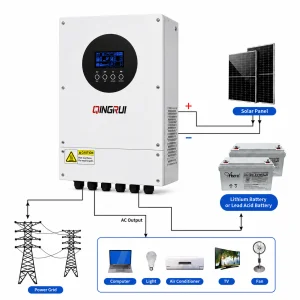
Ethiopia is undergoing a massive industrial expansion program, highlighted by the rapid growth of specialized industrial parks such as Bole Lemi, Hawassa, and the Eastern Industrial Zone. However, the nation’s electric power distribution network, managed by the Ethiopian Electric Utility (EEU), faces systemic grid bottlenecks, voltage instability, and load shedding. These grid issues pose severe operational risks to manufacturing lines, logistics facilities, and modern infrastructure.
To secure energy autonomy and maintain productivity, domestic and international companies operating in Ethiopia are increasingly adopting advanced hybrid solar inverter systems. Unlike conventional grid-tied setups that shut down during power failures, hybrid inverters blend power inputs from solar arrays, utility connections, fuel generators, and local battery energy storage. This ensures a seamless, uninterruptible power supply (UPS) with switching times of under 10 milliseconds, protecting delicate manufacturing machinery and critical IT equipment.
Under the directive of the Ministry of Water and Energy (MoWE) and the Ministry of Finance, the Ethiopian government actively encourages the adoption of clean energy. Key components—such as solar panels, deep-cycle lithium storage batteries, and specialized hybrid inverters—qualify for substantial import duty exemptions.
For procurement officers, regional distributors, and engineering firms, sourcing high-efficiency power equipment directly from established industrial partners like Hudd Energy provides a distinct competitive advantage. It helps local buyers avoid the high markups of middle-tier vendors and gives them direct access to advanced systems configured specifically for local environmental conditions, including high dust levels and elevated operating temperatures.
Ensuring smooth customs clearance and regulatory alignment for large-scale utility and residential solar projects.
Solar hardware must align with domestic utility specifications. All our shipped products carry certified compliance markings for IEC 62109-1/-2 (safety) and EN 50549 / IEC 61727 (grid utility integration), ensuring straightforward licensing approvals from the EEU.
Advanced hybrid configurations require reliable communication interfaces (RS485/CAN bus) to manage smart Lithium Iron Phosphate (LiFePO4) energy arrays. This prevents cell degradation from voltage surges and stabilizes local mini-grids during high demand.
Given the arid and dust-heavy conditions in key Ethiopian regions, our units are engineered with IP65-rated enclosures, cooling systems with redundant fans, and corrosion-resistant coatings to handle high altitudes and varying climates.
Engineered for warehouse operations, agricultural water management, and large factory rooftops.
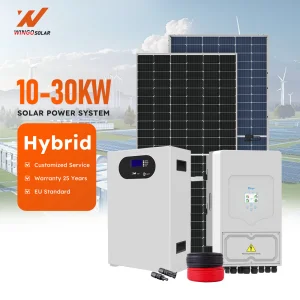
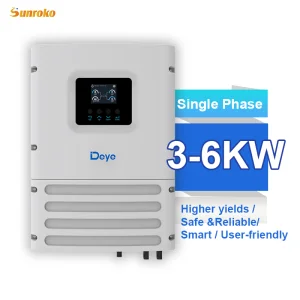
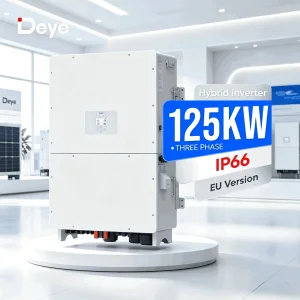
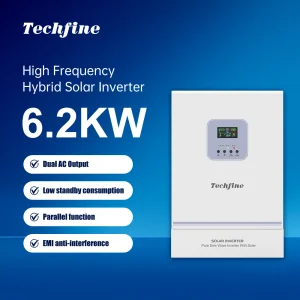
A trusted global supply chain partner delivering customized energy storage systems and high-efficiency hybrid inverters.
Guangdong Hudd Energy Co., Ltd. is a professional provider of renewable energy products, energy storage solutions, and integrated smart energy systems. The company specializes in the development, supply, and integration of advanced energy storage systems (ESS), solar power solutions, EV charging infrastructure, and integrated solar-storage-charging stations, delivering efficient, reliable, and sustainable energy solutions to customers worldwide.
Beyond supplying individual products, Hudd Energy offers comprehensive system integration services tailored to diverse project requirements. Leveraging extensive industry expertise, the company provides end-to-end support covering solution design, equipment selection, system integration, project management, commissioning, and after-sales services. This enables customers to implement optimized energy solutions with enhanced efficiency, performance, and long-term reliability.
With strong partnerships across China's manufacturing ecosystem, Hudd Energy benefits from a robust and competitive supply chain, ensuring high-quality products, stable delivery schedules, and cost-effective solutions. The company also maintains strategic cooperation with financial institutions and banking partners, providing flexible trade finance support and secure transaction services to facilitate the successful execution of international projects.
Hudd Energy's product portfolio serves a wide range of applications, including residential, commercial, industrial, utility-scale energy storage projects, electric vehicle charging networks, and distributed renewable energy systems. The company is committed to helping customers reduce energy costs, improve energy independence, and achieve their sustainability goals.
Over the years, Guangdong Hudd Energy has successfully expanded its presence in international markets, particularly in Southeast Asia, South America, the Middle East, and Africa, earning the trust and recognition of clients through reliable products, professional services, and long-term partnerships.
Looking ahead, Guangdong Hudd Energy Co., Ltd. will continue to drive innovation in clean energy technologies, strengthen its global market presence, and contribute to the worldwide transition toward a greener, smarter, and more sustainable energy future.
Our advanced assembly lines feature state-of-the-art testing instrumentation. Every product undergoes strict inspection before export packaging.
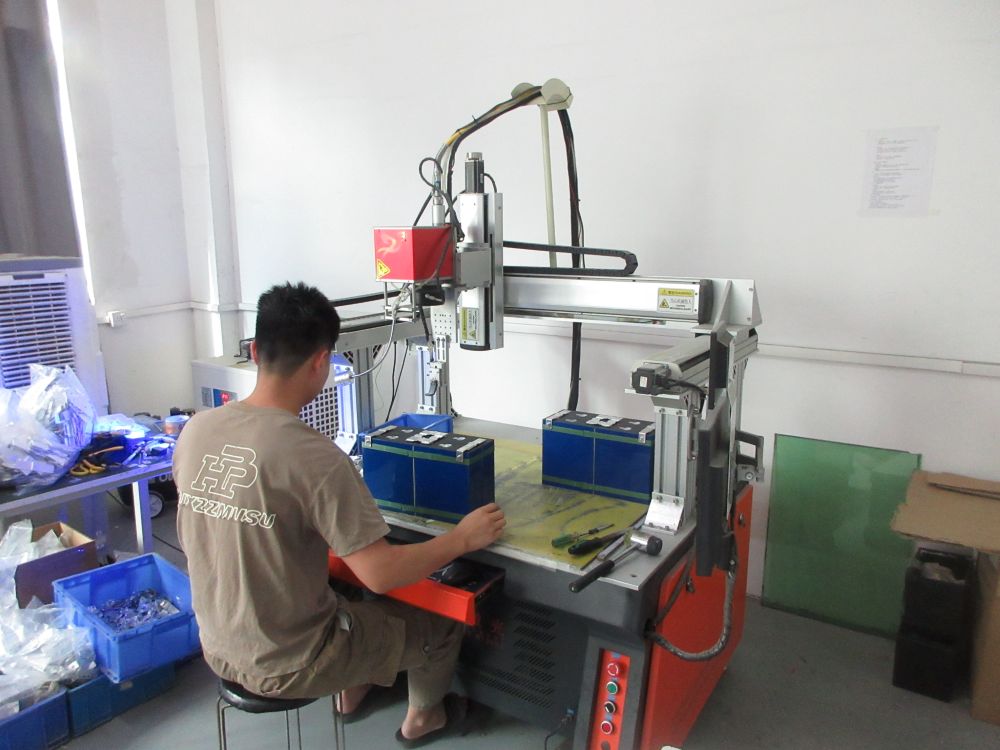 Laser Spot Welding
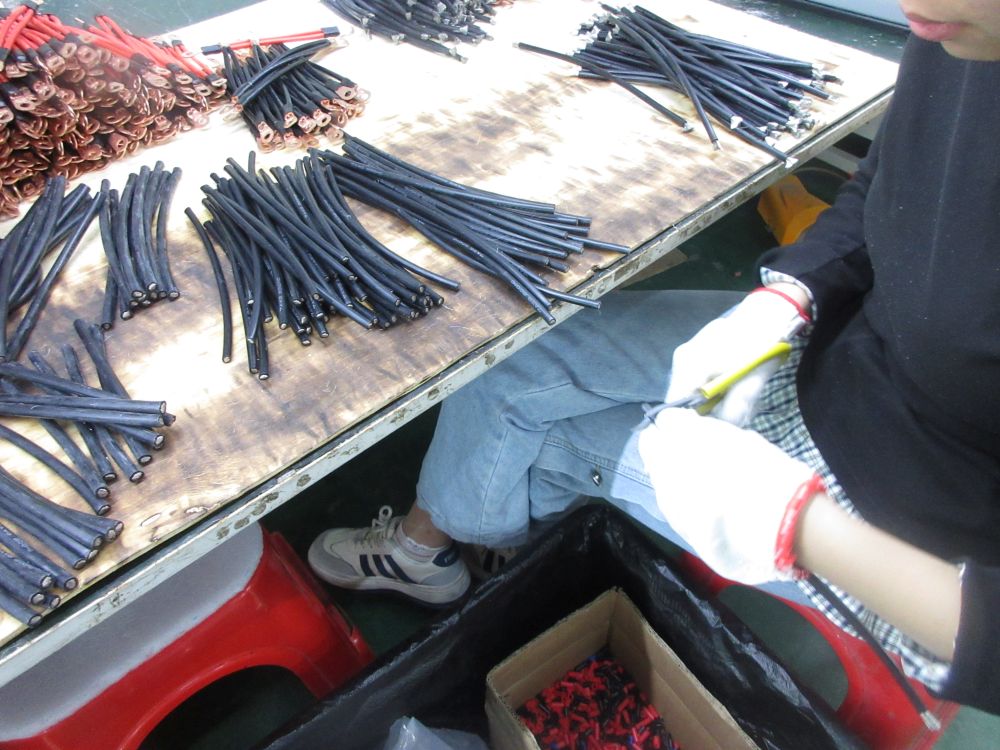 Cutting Wire
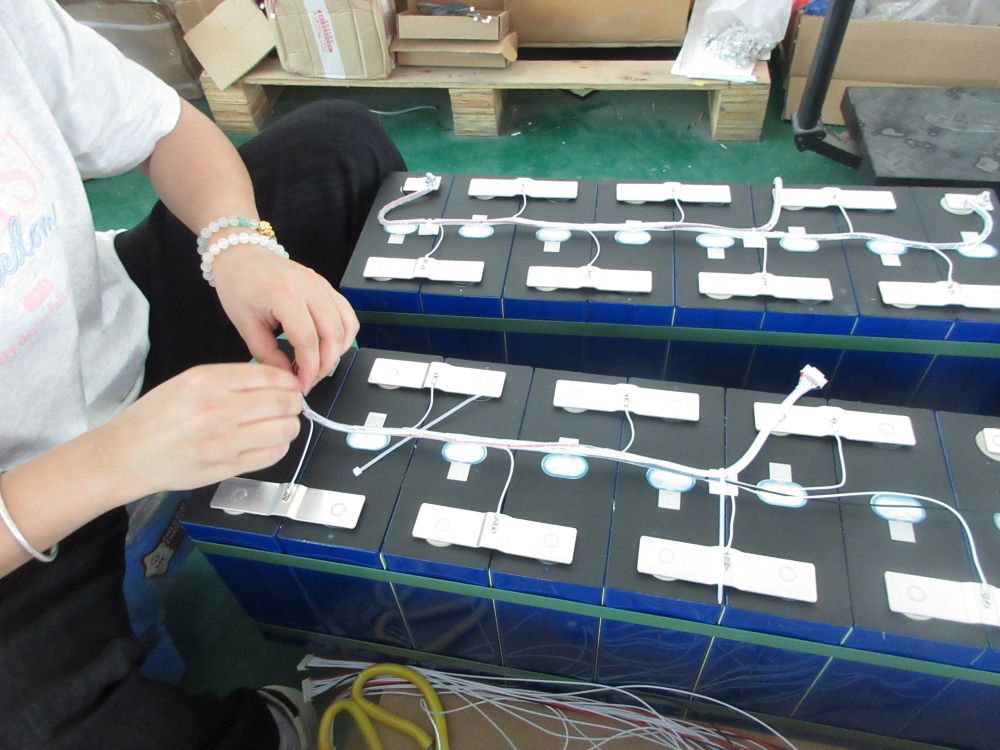 Connect the Wires
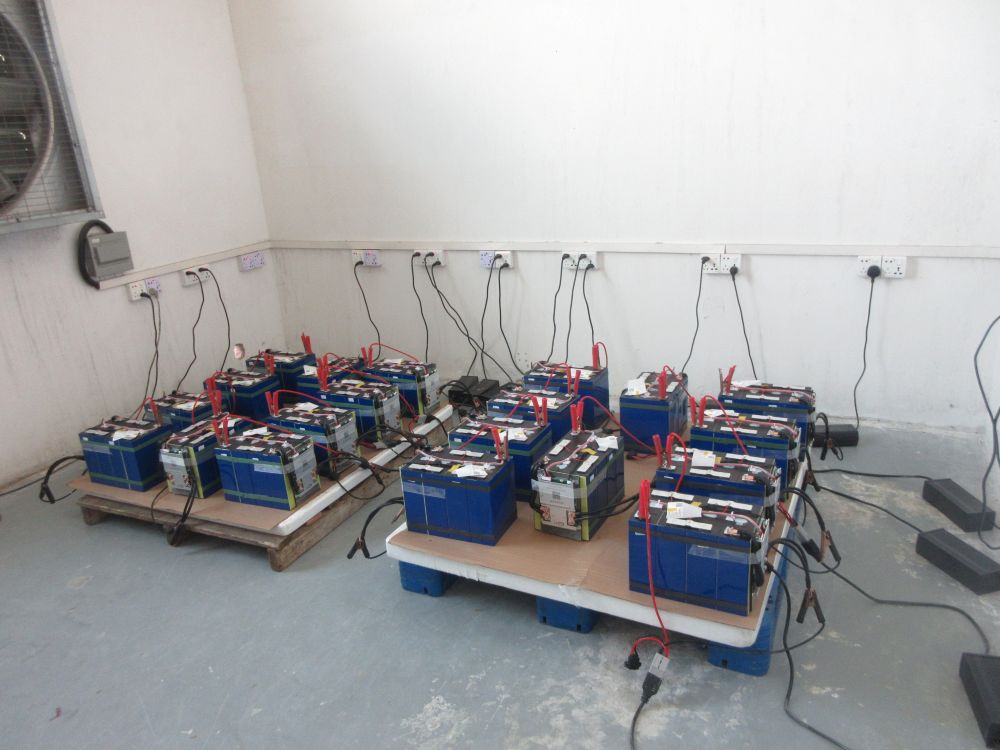 Charging
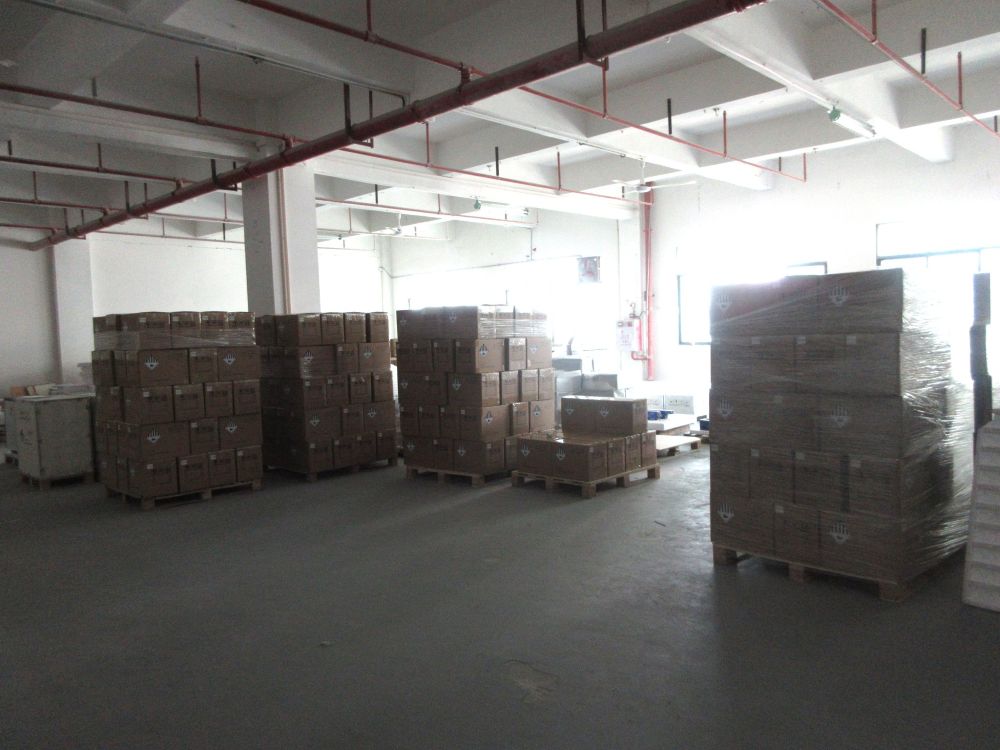 Storage
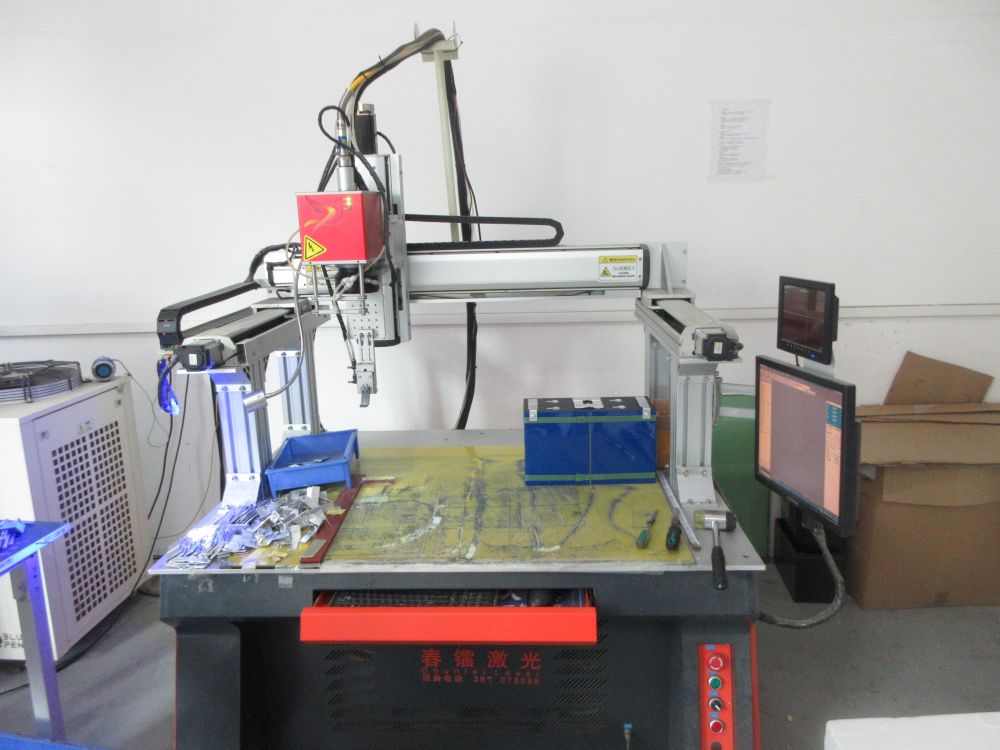 Laser Spot Welding Machine
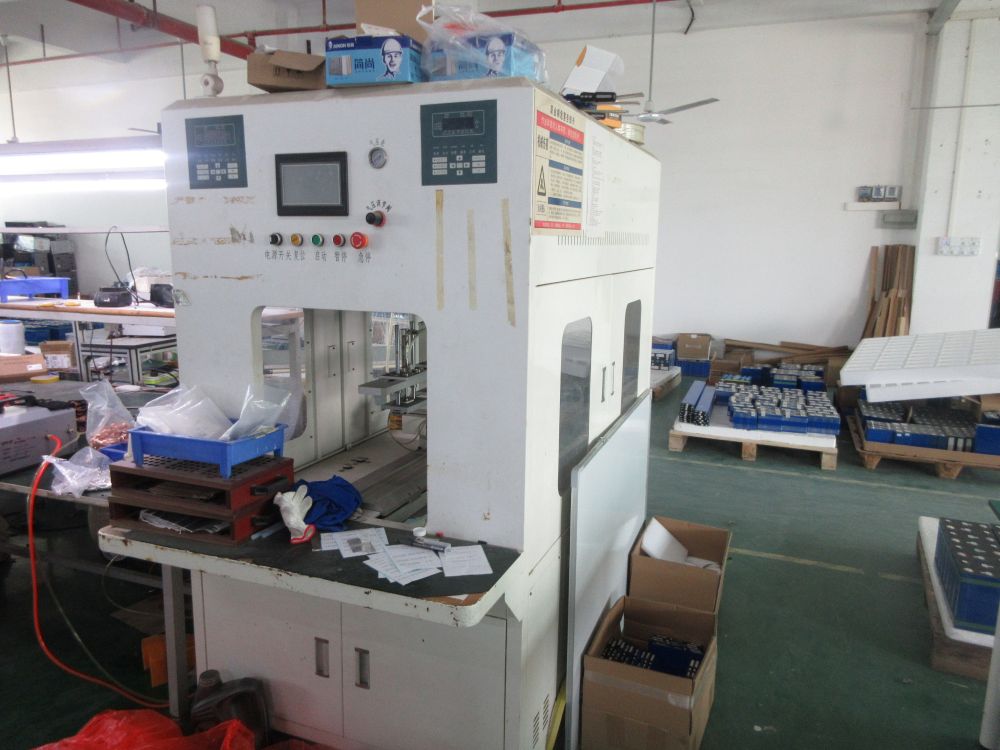 Spot Welding Machine
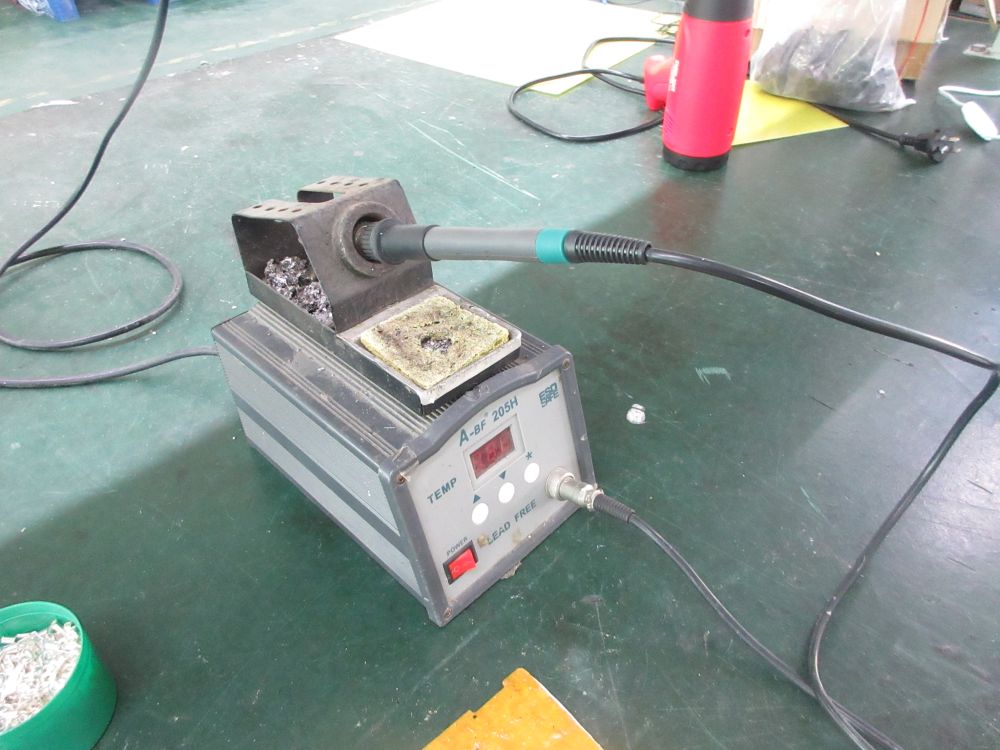 Electric Soldering Iron
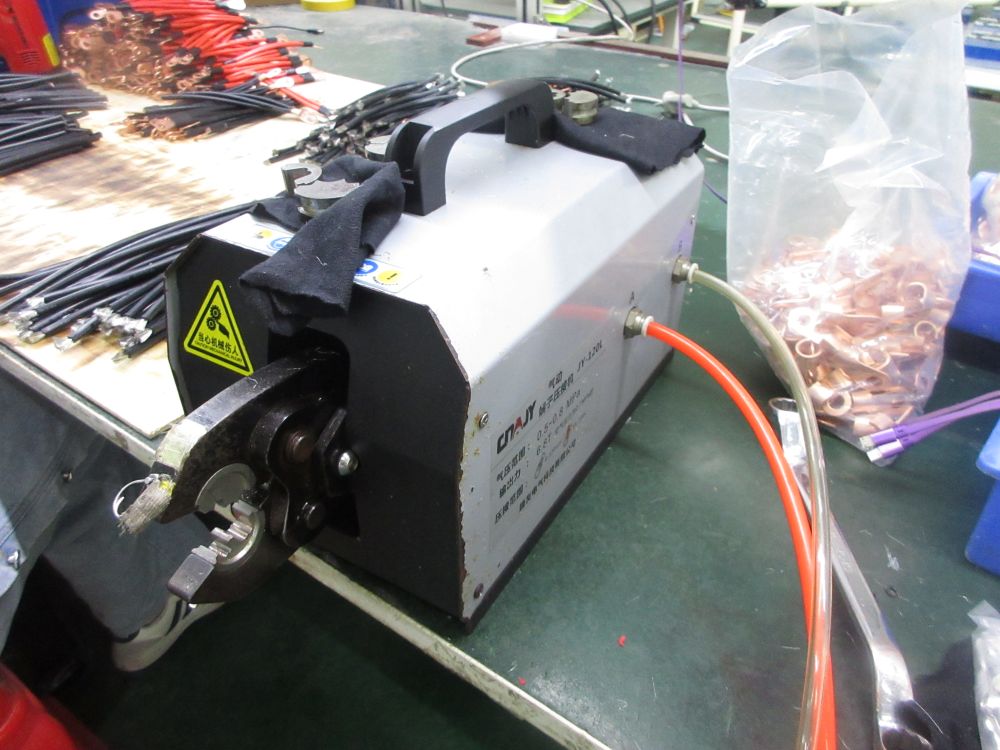 Terminal Crimping Machine
A broad selection of high-efficiency models engineered to support diverse application sizes and installation configurations.
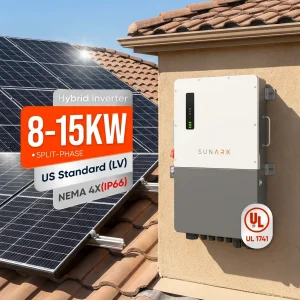
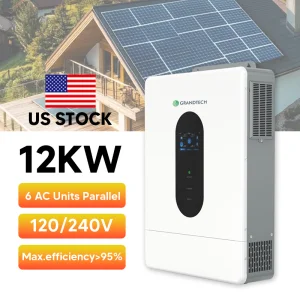
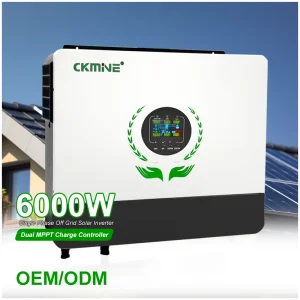
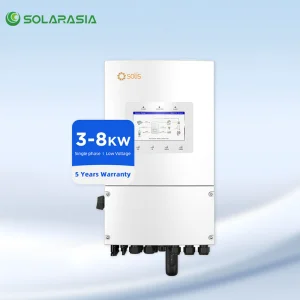
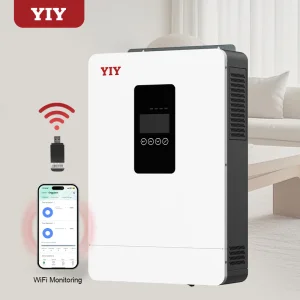
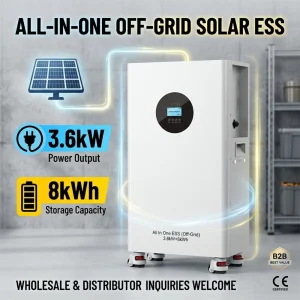
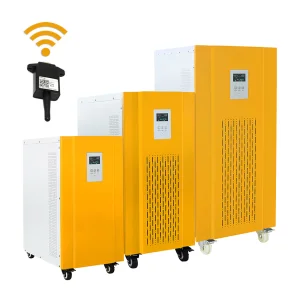
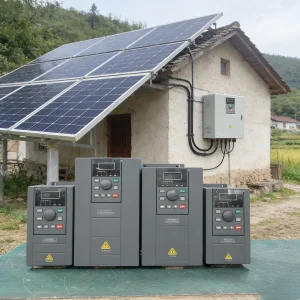
Organizing a high-capacity solar project in East Africa requires detailed supply-chain planning and risk mitigation. For industrial developers in Addis Ababa, Dire Dawa, and rural regions, the sourcing route from Chinese manufacturing hubs to the project site involves three critical stages:
Before shipping, all inverters undergo extensive automated burn-in and functional tests, including simulated load cycling and thermal imaging, to ensure they can withstand varying grid conditions.
To access local duty-free import incentives, import paperwork must specifically detail technical performance metrics. We supply itemized packing lists, certificate validations, and harmonized system (HS) classification codes to prevent import delays.
Our logistics partners coordinate container shipments directly through the Port of Djibouti, using rail connections straight to Modjo Dry Port to keep transport safe and shipping timelines predictable.
Additionally, local banking rules, such as Letter of Credit (L/C) requirements set by the National Bank of Ethiopia, demand precise transaction documentation. Hudd Energy works closely with international financial institutions to provide flexible trade finance structures and payment terms, ensuring smooth project execution.
Key information regarding integration, performance parameters, and ordering hybrid solar systems for East African projects.
Grid instability, including voltage sags and sudden blackouts, can damage industrial motors and sensitive electronic devices. Our hybrid inverters integrate a high-speed automatic transfer switch (ATS) with a transfer time of under 10 milliseconds. This ensures that if the utility grid fails, the system switches instantly to battery power without causing system resets. Additionally, built-in line filtering regulates voltage variations, protecting downstream hardware.
Under the Ministry of Water and Energy (MoWE) initiatives, clean energy components—such as solar modules, batteries, charge controllers, and hybrid inverters—are eligible for import duty exemptions. To claim these exemptions, buyers must present compliant product certifications (such as CE, IEC, and UN38.3) to local customs agencies. Hudd Energy supplies all the required documentation to facilitate this process.
Low-frequency hybrid inverters feature heavy iron-core copper transformers that handle high surge currents—often up to 300% of their rated capacity for short periods. This makes them ideal for running high-inductive loads like agricultural water pumps, workshop compressors, conveyor systems, and large cooling units. High-frequency inverters, while lighter and more compact, are best suited for smaller, purely resistive office or residential loads.
Dual Maximum Power Point Tracking (MPPT) allows you to split your solar array into two independent configurations. This is highly useful for roofs with different orientations (e.g., East-West arrays) or locations with partial shading. By optimization of each string independently, dual MPPT systems maximize energy production, ensuring high efficiency even during cloudy periods or in high-altitude areas with variable sunlight.
Yes. Our commercial and industrial hybrid inverters feature a dedicated generator input port and dry-contact control relays. When battery storage levels drop below a set limit and solar input is low, the inverter automatically triggers the diesel generator to start. Once the batteries are sufficiently charged, the system stops the generator, reducing fuel consumption and operating costs.
Our engineering team designs complete hybrid solar storage configurations tailored to your specific power requirements, local grid conditions, and budget. Get in touch for a comprehensive project assessment and quote.
Send Inquiry Now Hudd Energy