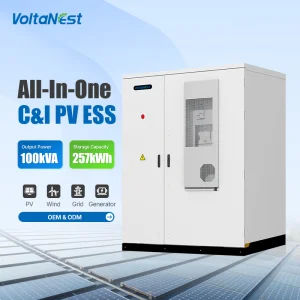
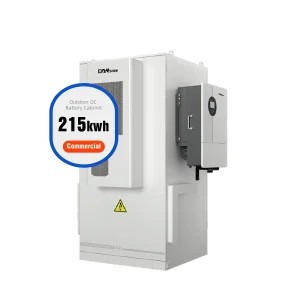
Discover our highly configurable, engineered-to-order battery packs, smart inverters, containerized commercial microgrids, and EV charging stations designed for long lifespan and robust grid compliance.
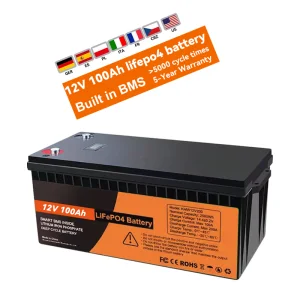
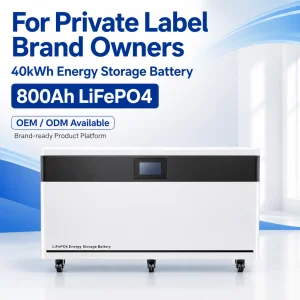
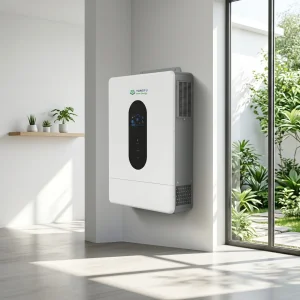
The global transition to a low-carbon economy has accelerated the integration of decentralized clean energy sources. Traditional electrical grids, designed for centralized power generation, are facing unprecedented stability challenges due to the intermittent nature of wind and solar power. As a result, Custom Energy Distribution Solutions and Battery Energy Storage Systems (BESS) have evolved from ancillary grid assets into primary grid-stabilization and resilience mechanisms.
From commercial factories seeking peak shaving to regional utility networks requiring active frequency regulation, the demand for customizable, high-voltage battery storage systems has grown exponentially. Standard, out-of-the-box energy products often fail to address specific local electrical requirements, municipal regulations, and harsh ambient conditions. Custom OEM manufacturers provide the exact configuration of Power Conversion Systems (PCS), thermal management systems (liquid cooled vs. air cooled), and Battery Management Systems (BMS) required to optimize the Levelized Cost of Storage (LCOS).
Maintaining strict adherence to international electrical, mechanical, and safety standards is critical for modern distribution deployments.
Lithium Iron Phosphate (LiFePO4) remains the industry gold standard due to its thermal stability, low toxicity, and high cycle life (often exceeding 6,000 to 8,000 cycles at 80% Depth of Discharge). Industrial manufacturers are now implementing multi-tier cell safety testing alongside active aerosol fire suppression systems within containerized enclosures.
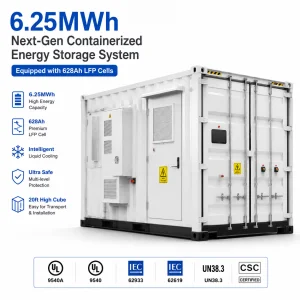
As the volumetric energy density of utility storage systems reaches 6.25MWh+ in standard 20ft containers, liquid cooling technology is replacing legacy HVAC systems. By routing liquid coolant plates through the battery modules, temperature variance between cells is maintained below 2°C, which slows cell degradation by up to 30%.
Modern Energy Management Systems (EMS) deploy AI-driven diagnostic models. These cloud-connected smart systems monitor cell internal resistance, state-of-health (SoH), and state-of-charge (SoC) trends in real-time, preventing thermal runaway events days before physical symptoms manifest.
To safely interface with municipal distribution systems, custom OEM systems must comply with international criteria, including UL 1973 (batteries for stationary applications), UL 9540 (energy storage systems and equipment), IEC 62619, and CE/TUV certificates. These frameworks protect both asset owners and local utility operations.
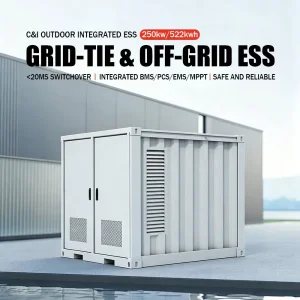
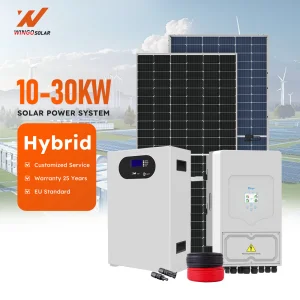
Hybrid setups combining solar PV, batteries, and diesel generators require advanced Power Conversion Systems (PCS) capable of switching seamlessly between grid-tied and off-grid (islanded) modes. Sub-millisecond transfer switches ensure zero interruption to critical commercial loads.
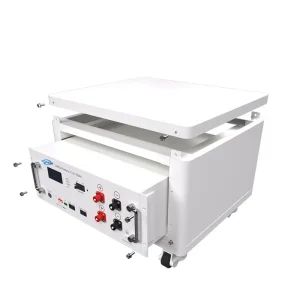
Scalable rack systems allow operators to step-up capacities from 50kWh to several megawatt-hours without altering core system design. This modular design simplifies field maintenance, minimizes downtime, and supports easy hot-swapping of modules.
Every region presents unique electrical architectures, environmental parameters, and energy cost structures that dictate engineering design.
North America: C&I Peak Shaving and Demand Response
In North America, high demand charges levied during peak usage hours require large C&I facilities to operate automated peak-shaving systems. Our custom energy storage solutions integrate with building automation networks to discharge power during peak price spikes. Furthermore, systems must support fast-responding dispatch protocols to participate in local virtual power plant (VPP) utility services, which requires certified UL 9540A thermal runaway mitigation.
Europe: Residential Self-Consumption and EV Grid Stabilization
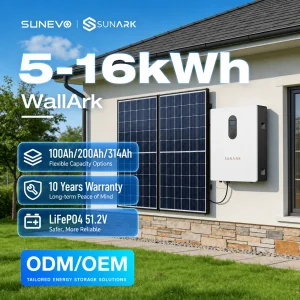
High grid power costs and EV adoption in Europe drive the market for home solar-storage systems and high-power DC fast-charging stations. OEM designs for these markets require compact, high-voltage LFP rack systems with integrated dual-input inverters that interface with grid dynamic pricing APIs. By charging when rates are low (or from solar panels) and discharging during peak times, customers reduce reliance on standard utility power.
Southeast Asia and Africa: Weak Grid Stabilization and Off-Grid Hybrid Microgrids
For remote manufacturing plants and municipal communities, unreliable grids or high diesel fuel costs are major challenges. Here, custom solutions function as strong hybrid microgrids. They combine PV arrays with large containerized LFP storage units to stabilize local line voltage and frequency, minimizing voltage drops and reducing runtimes for carbon-intensive backup generators.
A premier global developer and system integrator of commercial, industrial, and residential energy storage systems.
Guangdong Hudd Energy Co., Ltd. is a professional provider of renewable energy products, energy storage solutions, and integrated smart energy systems. The company specializes in the development, supply, and integration of advanced energy storage systems (ESS), solar power solutions, EV charging infrastructure, and integrated solar-storage-charging stations, delivering efficient, reliable, and sustainable energy solutions to customers worldwide.
Beyond supplying individual products, Hudd Energy offers comprehensive system integration services tailored to diverse project requirements. Leveraging extensive industry expertise, the company provides end-to-end support covering solution design, equipment selection, system integration, project management, commissioning, and after-sales services. This enables customers to implement optimized energy solutions with enhanced efficiency, performance, and long-term reliability.
With strong partnerships across China's manufacturing ecosystem, Hudd Energy benefits from a robust and competitive supply chain, ensuring high-quality products, stable delivery schedules, and cost-effective solutions. The company also maintains strategic cooperation with financial institutions and banking partners, providing flexible trade finance support and secure transaction services to facilitate the successful execution of international projects.
Hudd Energy's product portfolio serves a wide range of applications, including residential, commercial, industrial, utility-scale energy storage projects, electric vehicle charging networks, and distributed renewable energy systems. The company is committed to helping customers reduce energy costs, improve energy independence, and achieve their sustainability goals.
Over the years, Guangdong Hudd Energy has successfully expanded its presence in international markets, particularly in Southeast Asia, South America, the Middle East, and Africa, earning the trust and recognition of clients through reliable products, professional services, and long-term partnerships.
Looking ahead, Guangdong Hudd Energy Co., Ltd. will continue to drive innovation in clean energy technologies, strengthen its global market presence, and contribute to the worldwide transition toward a greener, smarter, and more sustainable energy future.
Every storage pack and control system is built to tight engineering tolerances and undergoes automated testing at our state-of-the-art facility.
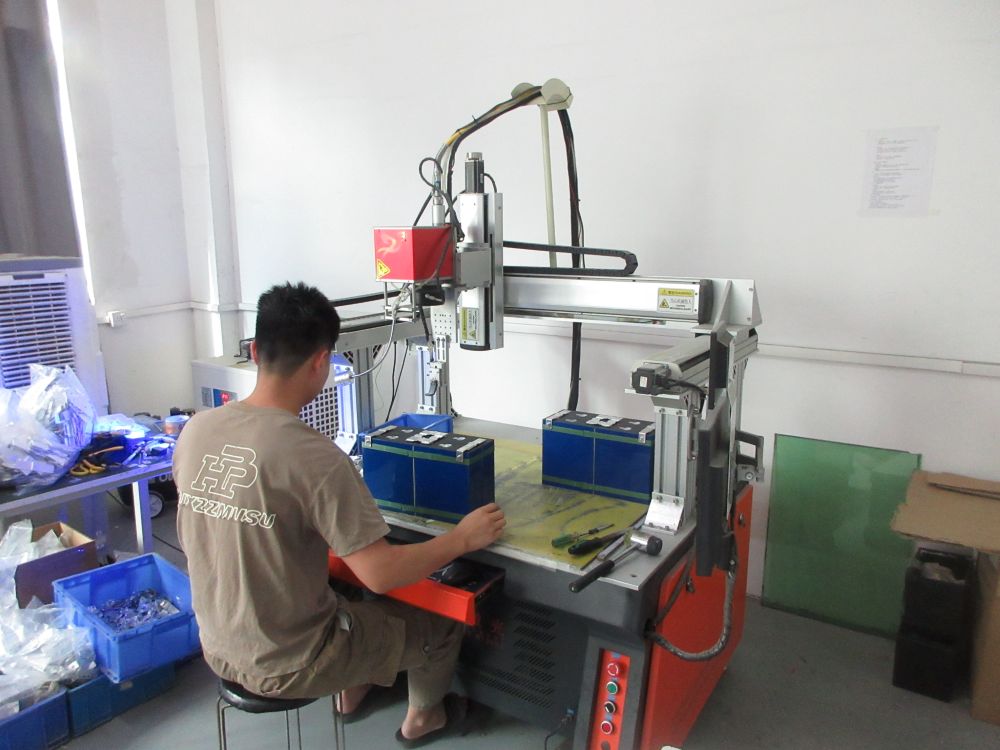

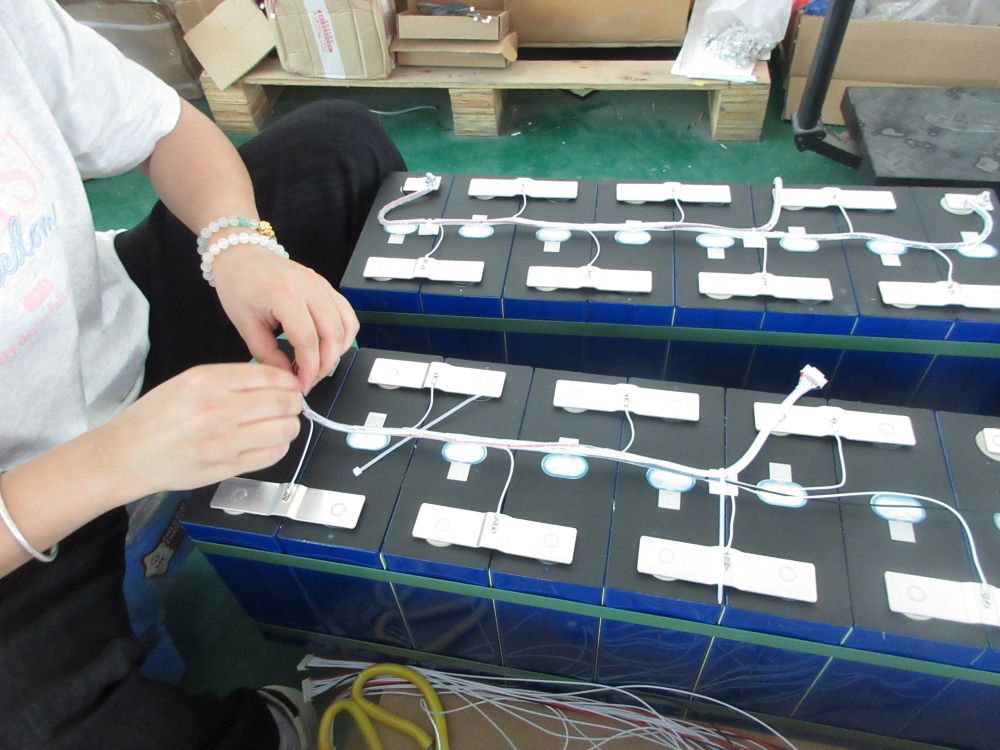
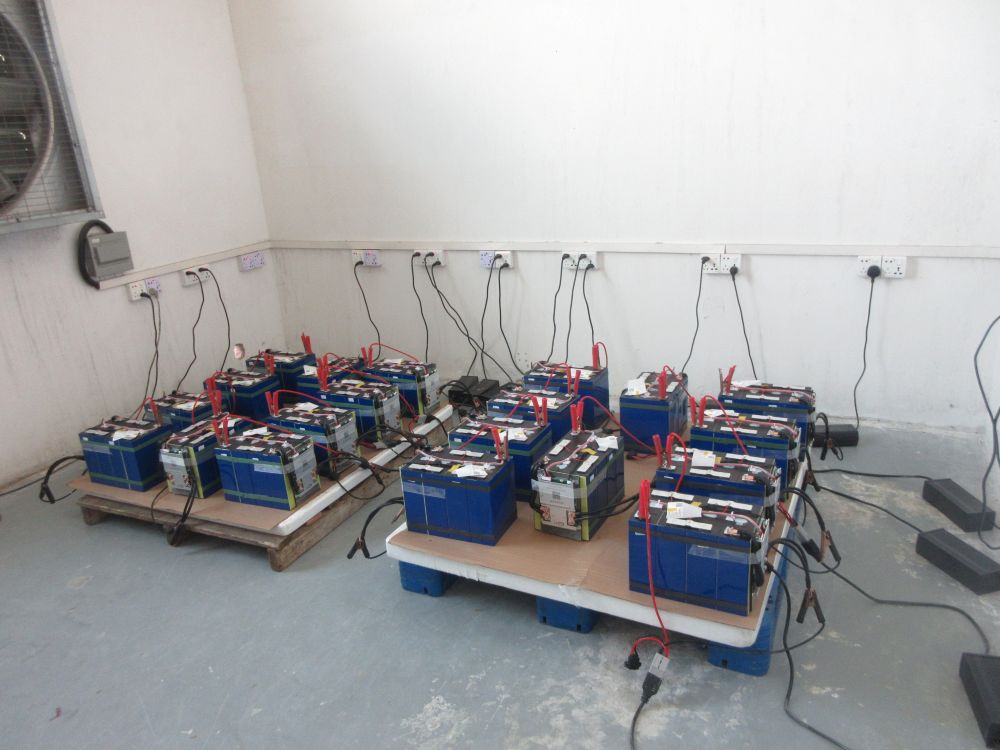
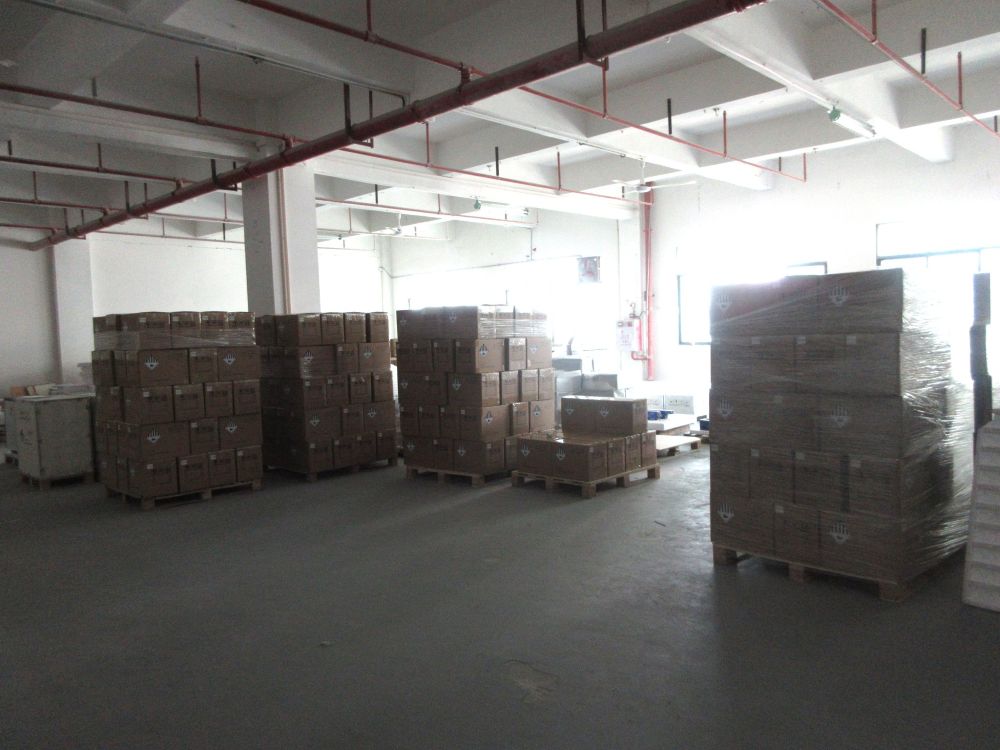
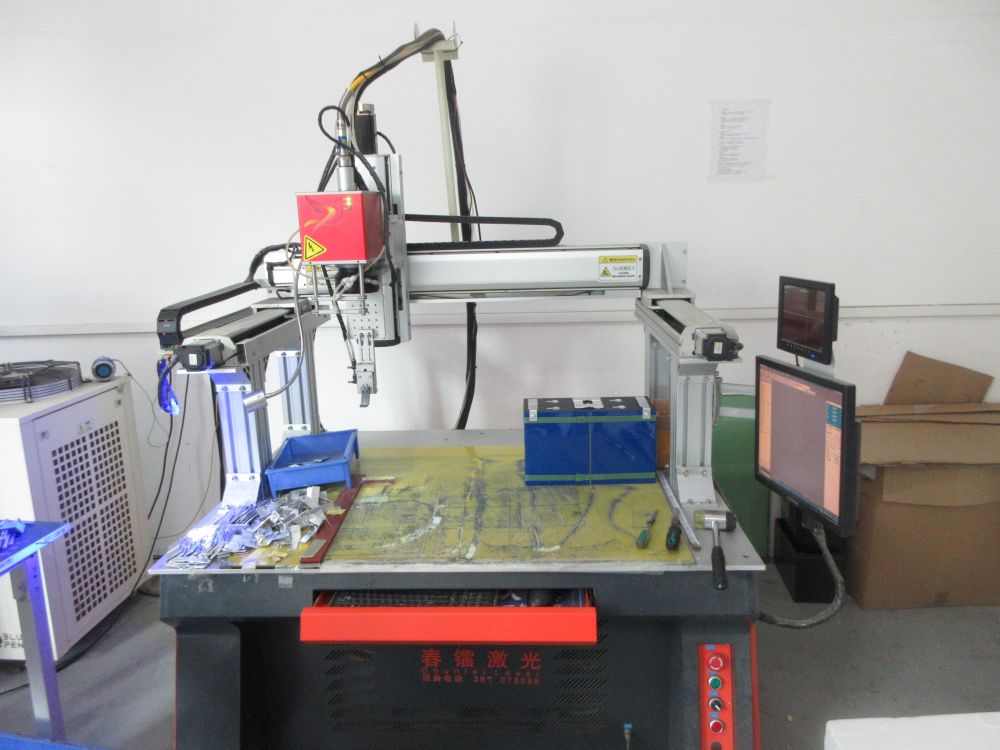
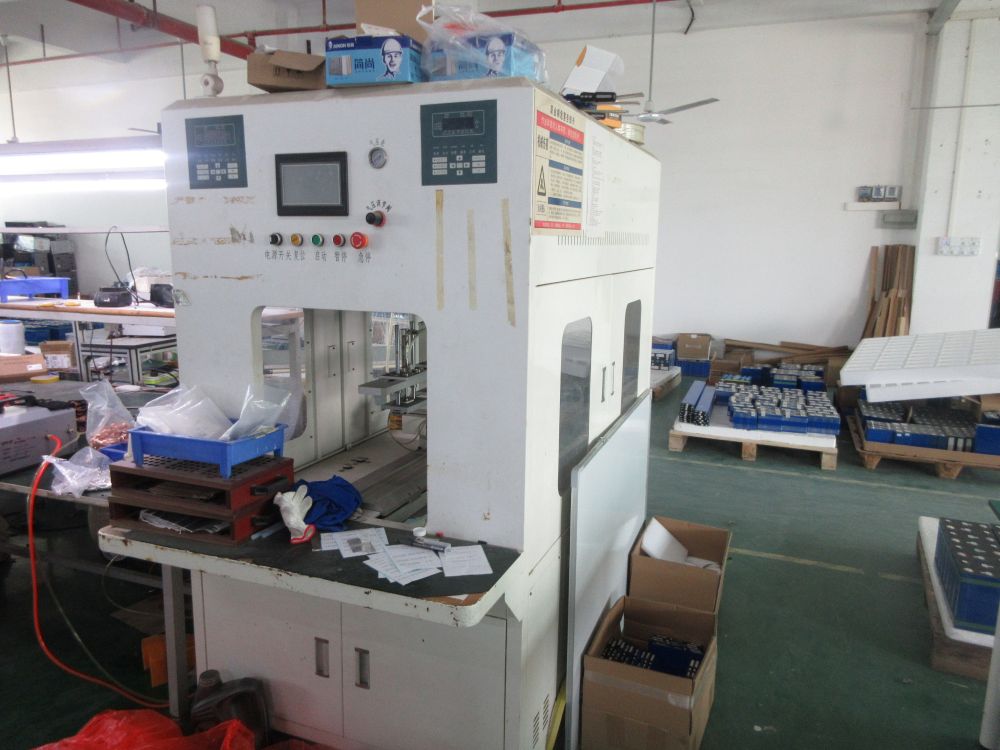
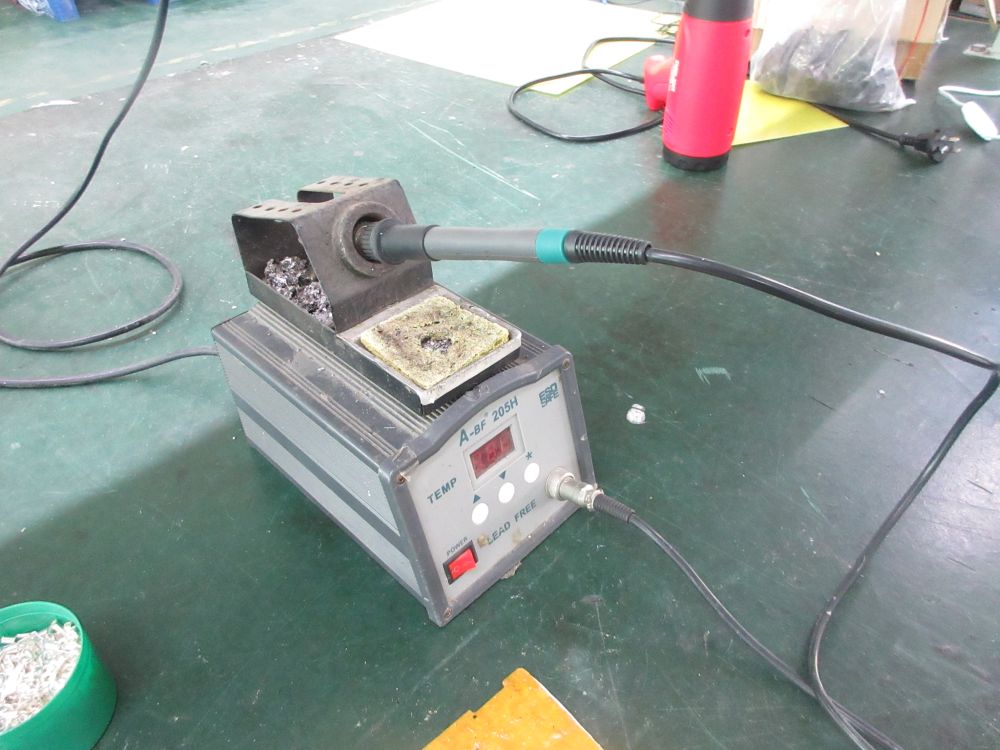
The energy distribution market is shifting rapidly from passive protection to active grid integration. To maintain a competitive edge, Hudd Energy's R&D roadmap focuses on three key technical themes:
Configuring robust physical assets with intelligent software layers to create utility-ready energy ecosystems.
Modern microgrid architectures require the integration of physical hardware and control layers. We construct clean, optimized systems configured to perform three primary tasks:
1. Physical Power Generation & Conversion System
This combines high-voltage PV arrays, fast-switching hybrid inverters, and battery storage. Standard PCS systems support grid-forming capabilities, which allows our microgrids to serve as the master voltage reference during blackouts or utility drops, keeping operations online.
2. Smart Distribution & Control Management
Operating through Modbus TCP or CAN bus lines, our smart controllers coordinate power flows between inputs, the battery bank, site loads, and the external utility. Standard software limits diesel runtimes and prioritizes consumption of low-cost stored solar energy.
3. Advanced Battery Protection (Tiered BMS)
A multi-layered BMS manages safety at all levels: cell-level balancing, module monitoring, pack safety limits, and container protection. This structure prevents overcharging and thermal runaway, while coordinating cooling systems to keep cell temperatures stable.
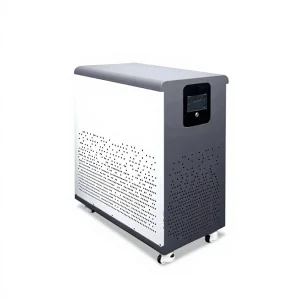
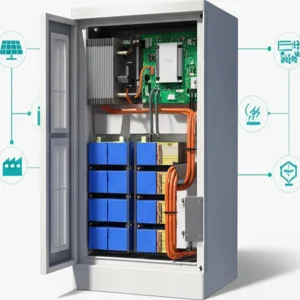
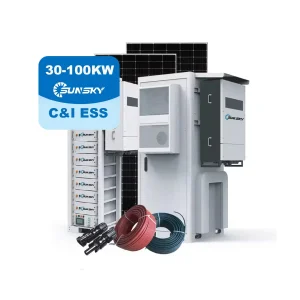
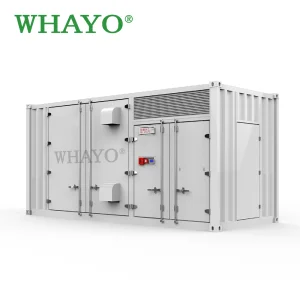
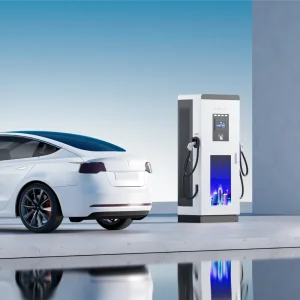
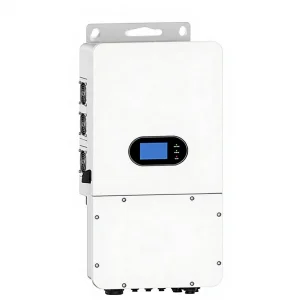
Industrial-grade containerized units, residential battery stacks, and utility-ready charging stations built for demanding environments.
Crucial engineering answers for planning, configuring, and deploying industrial and commercial battery storage.
Air cooling relies on HVAC units driving chilled air through rack pathways, which is simpler to design but can result in temperature variations of 5°C to 10°C between the front and back of battery racks. Liquid cooling routes coolant loops directly to the cell plates, maintaining cell-to-cell differences within 2°C.
For high C-rate applications or warm environments, liquid cooling reduces thermal degradation and extends the operational life of LFP batteries by up to 30%, making it highly cost-effective for large commercial projects.
UL 9540A is a test method that evaluates thermal runaway fire propagation in battery energy storage systems. Unlike standard component tests, UL 9540A records heat release rates, gas compositions, and fire spread at the cell, module, and rack levels.
Having a UL 9540A report is essential for gaining approval from local authorities (AHJs) and securing favorable insurance terms for indoor or close-to-building commercial installations.
The C-rate measures how fast a battery is charged or discharged. A 1C rate means a full discharge in one hour. Continuous high C-rate charging or discharging generates internal resistive heat, which accelerates cell degradation.
For peak shaving, a 0.5C or 0.25C rate (2-4 hour discharge) is typically preferred to maximize cell life. For primary frequency response or fast EV charging support, systems are engineered with enhanced cell busbars and liquid cooling to handle short 1C or 2C pulses safely.
Upgrading system voltage from 1000V to 1500V DC reduces current levels for the same power output. This allows for thinner copper cabling, reduces conductor losses, and supports larger capacity PCS blocks (up to 3.4MW+).
The result is a more compact overall footprint and lower installation costs, combined with a 1.5% to 2.5% increase in total round-trip efficiency (RTE).
We work closely with clients during the design phase to tailor the system's electrical protections, communication protocols, and grid-tied controls to local standards (such as IEEE 1547 in the US or G99 in the UK).
This includes configuring PCS grid-forming capabilities and active/reactive power controls to ensure smooth grid connections and fast approvals from local utility operators.
Leveraging deep integration within China's key manufacturing zones, we provide competitive cost structures and reliable delivery times. Additionally, we collaborate with financial partners to offer flexible trade financing, secure transaction services, and structured payment schedules to help secure and deliver large projects.
 Hudd Energy