A solar inverter should work quietly, so a repeated beep can feel alarming. Many homeowners ask, “why does my solar inverter beep constantly” after hearing a sharp tone near the garage, utility room, or outdoor electrical cabinet. The sound may indicate a warning, communication fault, grid problem, battery issue, or overheating condition. It does not always mean the inverter has failed. Still, ignoring it can hide a developing fault.
The International Energy Agency Photovoltaic Power Systems Programme reports continued global growth in solar installations, increasing the importance of reliable operation and maintenance. The U.S. Department of Energy also identifies the inverter as a critical system component because it converts solar panels’ direct current into usable alternating current. In practical terms, a small code on the screen may explain more than the noise itself. Check the display, mobile app, event log, and installation manual before making assumptions. Note the beep pattern, time, weather, and whether solar production has dropped.
The causes are not equally serious. A brief startup tone differs from a continuous alarm during a hot afternoon. Dust, blocked ventilation, loose communications, low battery voltage, and utility voltage changes can all produce different warnings. The mistake is treating every beep as a simple reset problem. Never open the inverter enclosure or disconnect live equipment without proper training. Manufacturer guidance, local electrical requirements, and a qualified solar professional provide the safest path. This guide examines ten common reasons, practical observations, and the warning signs that deserve immediate attention.
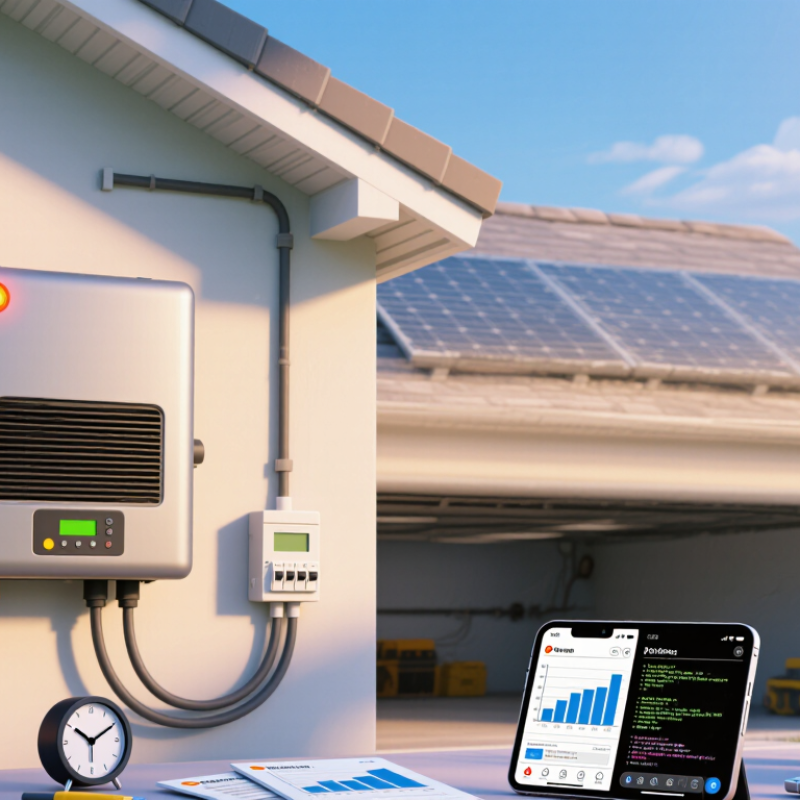
A solar inverter beep is a message, not a diagnosis. A continuous tone often signals an active fault, such as grid loss, abnormal voltage, or frequency instability. A periodic beep may indicate a low battery, overload, or communication failure. Rapid beeps can point to overheating, a blocked cooling fan, or an internal temperature warning. Other common causes include insulation faults, ground faults, arc detection, surge damage, and failed sensors. The display code matters more than the sound alone.
The IEA PVPS Trends 2024 report recorded more than 1.4 terawatts of global solar capacity by the end of 2023. More systems also mean more warning events requiring careful interpretation. NREL’s photovoltaic operation and maintenance guidance recommends checking ventilation, cable condition, insulation resistance, and recorded fault history. Do not silence the alarm and assume the problem has disappeared. A hot inverter cabinet, burnt smell, repeated shutdown, or damaged cable needs prompt isolation by a qualified technician. Field troubleshooting often reveals a simple blocked vent, but replacing the inverter too quickly remains an expensive mistake. Manuals are not always clear, either. Note the beep pattern, time, weather, load, and screen code before resetting anything. Never repeatedly restart an inverter showing a ground or arc-fault warning.
| No. | Common Reason | Typical Warning Sound | What It Usually Indicates | Recommended Checks or Action | Urgency |
|---|---|---|---|---|---|
| 1 | Low Battery Voltage or State of Charge | Repeated beeps, often at regular intervals | The battery voltage has fallen below the inverter’s low-voltage warning threshold. | Check battery voltage, charge level, battery connections, and charging sources. Reduce nonessential loads if necessary. | High |
| 2 | Overload or Excessive Startup Current | Fast repeated beeps or a continuous alarm | Connected appliances are drawing more power than the inverter can continuously supply, especially during motor startup. | Switch off high-power appliances, start motors one at a time, and compare the total load with the inverter’s rated output. | High |
| 3 | High Internal Temperature | Repeated warning beeps that may stop after cooling | The inverter is approaching or has reached its thermal protection limit. | Improve ventilation, keep clear space around air vents, remove dust from approved external areas, and reduce the load temporarily. | High |
| 4 | Poor Ventilation or Blocked Cooling Fan | Beeping combined with a louder or irregular fan noise | Restricted airflow or a fan fault is preventing normal heat removal. | Check for blocked vents, excessive dust, or unusual fan noise. Do not open the enclosure unless qualified to do so. | High |
| 5 | Grid or Utility Power Failure | Periodic beeps after grid power is lost | A grid-connected inverter may have detected missing, unstable, or out-of-range utility power. | Check whether other household circuits have power and inspect the relevant breaker. Never attempt to bypass anti-islanding protection. | Medium |
| 6 | Input Voltage Too High or Too Low | Repeated beeps that may coincide with a fault code | The battery, solar array, or utility input is outside the inverter’s permitted voltage range. | Read the displayed voltage and compare it with the installation specifications. Stop operation and seek qualified service if readings are abnormal. | High |
| 7 | Solar Array Disconnection or Weak PV Input | Intermittent beeps during daylight hours | The inverter is receiving insufficient or unstable solar input because of shade, loose connections, damaged wiring, or poor weather. | Check the monitoring display for PV voltage and inspect only accessible, safe components. Do not disconnect live DC connectors. | Medium |
| 8 | Ground-Fault or Insulation Fault | Persistent alarm, sometimes with immediate shutdown | Current may be leaking from the PV system or wiring to ground, creating a potential electrical safety hazard. | Turn off the system according to the shutdown procedure and contact a qualified solar technician. Do not touch suspected damaged cables. | Critical |
| 9 | Battery Communication or BMS Fault | Repeated beeps with a battery or communication warning | The inverter cannot properly communicate with a managed battery system or has detected a battery protection event. | Check approved communication cables, battery status indicators, and system settings. Avoid changing battery parameters without technical guidance. | High |
| 10 | Internal Fault, Firmware Issue, or Sensor Error | Continuous alarm or a repeating beep pattern | The inverter has detected an internal component, sensor, control, or software-related problem. | Record the displayed error code, follow the approved restart procedure once, and contact qualified service if the alarm returns. | Critical |
Safety note: Beep patterns vary by inverter design and operating mode. Always confirm the sound against the unit’s user manual and displayed fault code. Solar and battery systems can contain hazardous voltages, so electrical repairs should be performed by a qualified professional.
Constant beeping usually signals a condition, not immediate equipment failure. Common causes include grid changes, low battery voltage, overheating, or loose wiring.
Yes. Voltage may become too high, too low, or change frequently. Storms, construction, and utility maintenance can trigger this problem.
Record the beep rhythm, display code, time, weather, and recent electrical changes. Photograph the warning before resetting anything.
Yes. Switch off unnecessary appliances, especially heavy loads. Compare the inverter display with the home electrical panel.
Reversed polarity, damaged insulation, weak grounding, and loose terminals can interrupt normal operation. Look for heat marks, moisture, or unusual odors.
No. Never open energized equipment or touch exposed conductors. A qualified electrician should test voltage, continuity, grounding, and terminal torque.
Yes. Dust, leaves, and restricted airflow may raise internal temperature. Check the air inlets from outside.
No. Repeated resets can hide a developing electrical problem. Reset only after recording the fault code and operating conditions.
A low reading may indicate aging batteries, poor terminals, or insufficient charging. Measure only with suitable equipment and training.
Contact a licensed technician if the alarm returns, the code remains unclear, or wiring shows damage. Provide codes, photographs, weather details, and recent load changes. My diagnosis may still be incomplete without site measurements.
A constantly beeping solar inverter is usually warning you about an operating condition that needs attention. The sound may indicate a low battery, excessive power demand, overload, unstable grid input, loose wiring, or an electrical connection fault. In some cases, the inverter is reacting to high internal temperature, blocked ventilation, dust buildup, direct sunlight, or other environmental conditions. Understanding the timing and pattern of the warning sound can help identify whether the issue is related to power supply, system load, or temperature.
If you are wondering, “why does my solar inverter beep constantly,” begin by checking the display or status indicators for an error message. Reduce unnecessary loads, inspect accessible connections for looseness or damage, and make sure air vents are clear and unobstructed. Allow an overheated unit to cool before further use. If the beeping continues, the warning code is unclear, or electrical components appear damaged, stop troubleshooting and contact a qualified solar technician for a safe inspection and repair.

 Hudd Energy