Understanding why your solar charge controller is flashing red can save you time and money. Experts like Emily Johnson, a renowned solar energy technician, have encountered this issue frequently. She notes, “A flashing red light typically indicates a problem that needs immediate attention.”
In 2026, many solar users wonder, "why is my solar charge controller flashing red?" Common causes include battery issues, overcharging, or temperature fluctuations. It’s essential to address these alerts promptly. Ignoring them might lead to system failures or expensive repairs.
The solar industry has evolved, yet this flashing red light remains a significant concern. Delving into the specifics can help users identify and resolve these problems more effectively. Remember, your solar system's health hinges on understanding these warning signs.
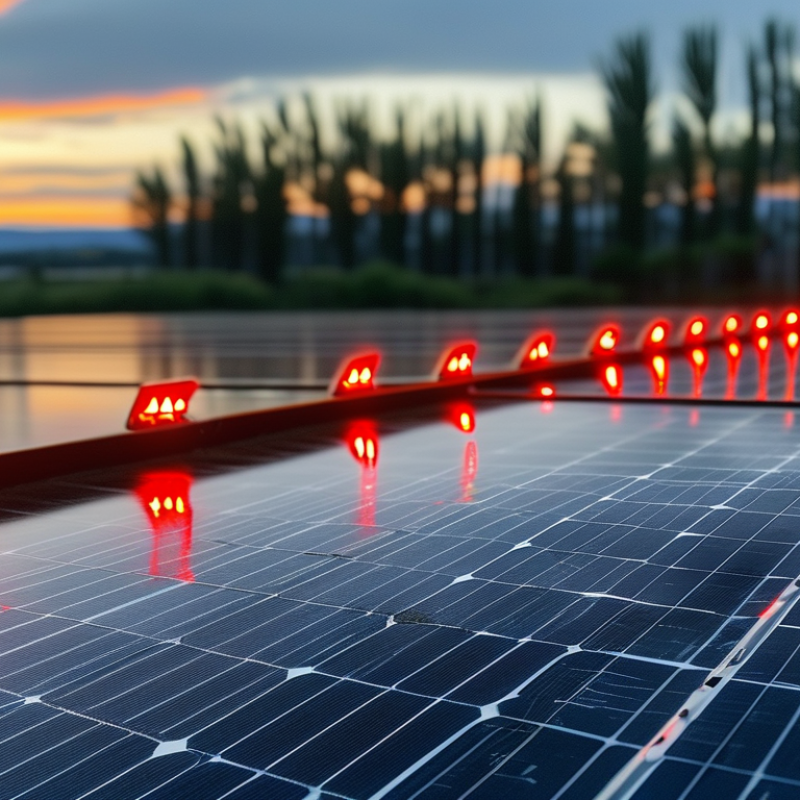
The blinking red light on your solar charge controller often signifies an issue. Understanding these indicators is vital for maintaining solar energy systems. A study by the Solar Energy Industries Association (SEIA) notes that over 30% of solar installations experience performance issues due to improper setup or monitoring.
Charge controllers regulate battery charging and prevent overcharging. Common indicators, like a red flashing light, often mean battery voltage is low or the system is in fault mode. Each manufacturer may have different signals, but understanding these can help you troubleshoot effectively.
Tips: Regularly check your system's performance metrics. The average lifespan of solar batteries is about 5-15 years, depending on usage and maintenance. Ensure you clean dust and debris that may hinder efficiency. If issues persist, consult a professional.
Another factor is environmental conditions. Excessive heat or cold can affect the controller's performance. Take note of your surroundings. Data suggests that systems exposed to extreme elements can lose up to 20% efficiency. Remember, awareness of these elements is crucial for optimal functionality.
| Indicator Status | Possible Reason | Recommended Action | Effect on System |
|---|---|---|---|
| Flashing Red | Battery Over Voltage | Disconnect the solar panels and check voltage | Potential damage to the battery |
| Flashing Red | Battery Under Voltage | Charge the battery or check connections | Battery may not function properly |
| Flashing Red | Temperature Warning | Allow the charge controller to cool down | Reduced efficiency, risk of damage |
| Flashing Red | Short Circuit | Inspect wiring and connections | Complete system shutdown |
A red flashing light on your solar charge controller can signal various issues. Understanding these can help you troubleshoot effectively. One common reason is overcharging. This happens when the solar panels produce more energy than the battery can store, which can lead to damage if not addressed. Checking your battery specs and voltage levels is essential.
Another reason for the flashing light may be a connection problem. Loose or corroded terminals can disrupt the flow of electricity. Taking the time to inspect and clean connections can resolve this issue. Sometimes, the problem lies within the battery itself. If it is old or malfunctioning, it may not hold the charge. Testing the battery with a multimeter can provide clarity.
In some cases, the solar charge controller may simply be doing its job. It might be indicating a fault or a reset phase. Understanding your specific model's indicators is crucial for accurate assessment. Revisiting the manual or seeking expert advice can provide further insights. Pay attention to these lights, as neglecting them can lead to bigger issues in the long run.
A flashing red light on your solar charge controller in 2026 may signal several issues. It could indicate an overvoltage event, battery problems, or poor solar panel performance. Industry data shows that nearly 25% of solar installations experience such issues within the first five years. Identifying these problems early can prevent further damage.
Start by checking the battery condition. Ensure it has proper voltage and is free from corrosion. A faulty battery can cause the controller to flash red. According to a report by the National Renewable Energy Laboratory, about 70% of system failures are linked to battery inefficiencies.
Next, examine the solar panel connections. Ensure all wiring is secure and unbroken. Loose or damaged connections can lead to a drop in power input. Conduct a visual inspection for dirt or shading that might affect performance. The Solar Energy Industries Association states that maintaining panel cleanliness can boost efficiency by up to 30%. Addressing these issues promptly can enhance system reliability and longevity.
Solar charge controllers play a crucial role in managing energy from solar panels. A red flashing light often signals potential malfunctions. Regular maintenance can prevent serious issues. For instance, ensuring proper connections is vital. Loose or corroded wires can cause erratic performance. A 2023 report by the Solar Energy Industries Association indicates that 25% of system failures stem from wiring problems.
Monitoring battery health is essential. Overcharging or deep discharging can damage batteries. Experts recommend checking parameters regularly. In 2022, a study showed that 40% of battery failures relate to improper charging cycles. Users should invest in battery management systems for real-time updates. These systems help avoid severe damage and extend battery lifespan.
Environmental conditions affect system performance. Dust, snow, and shade can hinder solar efficiency. Keeping panels clean can enhance power generation. A 2021 survey revealed that systems maintained properly produce 15% more energy. Regular inspections can identify issues before they escalate. However, not all users commit to routine check-ups, leading to preventable failures. Proper education is key in empowering users with knowledge.
When dealing with solar charge controllers, understanding the issues can be daunting. A flashing red light often indicates a problem that may require professional assistance. According to industry reports, about 20% of solar system failures are linked to controller malfunctions. These issues can arise from various factors, including battery mismatches or incorrect system configurations.
It's essential to recognize the signs that indicate you may need expert help. If the flashing persists despite troubleshooting, do not ignore it. Professional solar technicians possess in-depth knowledge and the right tools to address complex issues. Research shows that systems inspected by professionals tend to have a 30% longer lifespan than those maintained by owners alone. This statistic highlights the value of expert intervention.
Ignoring minor warnings can lead to significant problems later. Regular maintenance can help mitigate unforeseen failures. Remember that incorrect handling can worsen the situation, leading to further complications. If you find yourself unsure of the next steps, seeking professional help is always a wise choice.
: It may signal overvoltage, battery issues, or poor solar panel performance.
Faulty batteries can cause flashing red indicators. Check their voltage and corrosion levels.
About 25% of installations face problems within the first five years.
Inspect all connections and wiring for integrity. Look for dirt or shading affecting performance.
Yes, keeping panels clean can boost efficiency by up to 30%.
Regularly monitor battery health and check charge cycles to avoid overcharging or deep discharging.
Dust, snow, and shade can significantly reduce performance. Regular cleaning is necessary.
Neglecting check-ups can lead to preventable failures and loss of efficiency.
They provide real-time updates, helping to prevent severe damage and extend battery life.
In the context of solar energy systems, understanding "why is my solar charge controller flashing red" is crucial for maintaining optimal performance. Solar charge controllers regulate the power from solar panels to batteries, and their indicators provide essential feedback on system health. A red flashing light often signifies issues such as overcharging, battery faults, or connection problems.
To troubleshoot these indicators, one should first check battery connections, ensure appropriate settings, and inspect for potential damage. Implementing preventive measures, like regular maintenance and monitoring battery health, can help reduce the likelihood of future malfunctions. If the issue persists despite troubleshooting efforts, it might be time to seek professional help to ensure the safety and efficiency of the solar power system.

Hudd Energy