Industrial energy storage systems play a vital role in today’s energy landscape. Understanding how long do industrial energy storage systems last is crucial for businesses. Lifespan impacts return on investment and sustainability efforts. These systems can last from 10 to 30 years, depending on various factors.
Material durability is a key factor in their longevity. Quality components lead to better performance over time. Regular maintenance can enhance lifespan too. Yet, many users overlook routine checks. This can result in reduced efficiency and unexpected failures.
Technological advancements also affect longevity. Newer systems often adopt improved battery technologies. These offer longer lifetimes and better energy density. However, older systems might struggle to keep pace. Balancing aging infrastructure with modern technology presents a challenge. This requires careful planning and investment. Understanding these dynamics helps companies optimize their energy strategies.
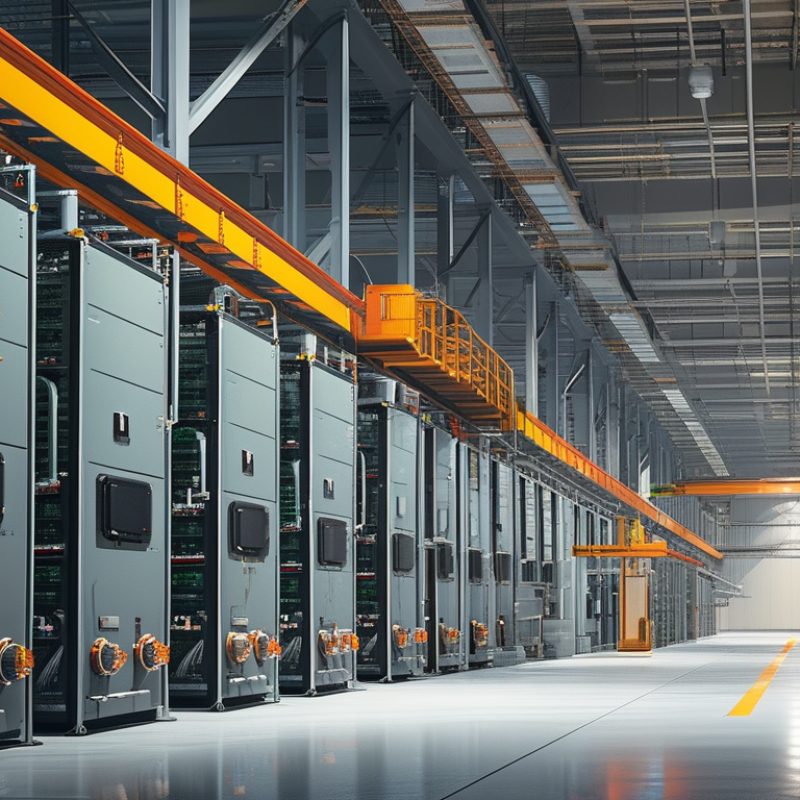
Industrial energy storage systems (ESS) are designed for durability and efficiency. They support grid stability and optimize energy use. According to a recent report by the International Renewable Energy Agency, the lifespan of these systems can often exceed 20 years, far longer than typical residential solutions. This longevity is partly due to advanced materials and technology that resist wear and degradation.
Battery chemistries play a crucial role. For example, lithium-ion batteries are commonly used due to their energy density and cycle life. Research indicates that they can maintain up to 80% capacity after 2,500 cycles. In contrast, lead-acid batteries typically last only 500-1,000 cycles. Furthermore, the thermal management systems in industrial ESS help mitigate overheating, a common failure point.
Despite these advantages, there are challenges. Costs can be high, and efficiency loss over time can impact return on investment. Some studies suggest that as systems age, the decrease in performance can be significant, highlighting the importance of regular maintenance and monitoring. Understanding these characteristics is essential for industries aiming to maximize their energy storage investments.
Industrial energy storage systems offer remarkable longevity, largely due to the advanced materials and technologies they employ. Lithium-ion batteries have become a go-to choice for many applications. Their robust chemistry allows for significant energy density and durability. However, these batteries can be sensitive to temperature extremes, raising concerns about efficiency and lifespan in certain environments.
Beyond lithium-ion, other technologies like flow batteries utilize different materials to enhance longevity. Flow batteries circulate electrolytes, which can be replenished without degrading the system. This approach extends their operational life significantly. Nevertheless, the complexity of these systems often leads to higher upfront costs and maintenance challenges.
In addition, researchers are exploring alternatives, such as solid-state batteries. These promise improved safety and better thermal stability. Nonetheless, the technology is still in development stages. As we advance, the optimization of materials and engineering will play a crucial role in overcoming existing challenges. Continuous innovation in energy storage materials will help ensure systems remain reliable and efficient for extended periods.
Industrial energy storage systems are designed for longevity, but maintenance is key to achieving this goal. Regular inspection of components can prevent small issues from becoming major problems. Operators should establish a consistent schedule for checking batteries, inverters, and connections.
Tips: Regularly clean terminals. Dirt and corrosion can reduce efficiency. Replace worn-out components promptly. Small delays in maintenance can lead to larger operational costs.
Temperature control is another critical factor. Energy storage systems are sensitive to extreme temperatures. Keeping a stable environment enhances performance and lifespan. Regularly monitor ambient conditions and adjust the cooling or heating systems accordingly.
Tips: Use temperature sensors for precise monitoring. This ensures optimal performance. Conduct routine checks on insulation to prevent overheating.
Investing in staff training on best practices for maintenance is essential. Employees should understand how to handle and troubleshoot the technology used. Knowledgeable staff can identify issues early, resulting in improved reliability and reduced downtime.
Tips: Schedule regular training sessions. Emphasize hands-on learning for better understanding. Encourage feedback to refine the maintenance process.
Operational conditions play a critical role in the longevity of industrial energy storage systems. High temperatures can accelerate chemical reactions, leading to faster degradation of materials. Research indicates that batteries exposed to temperatures above 25°C may experience a lifespan reduction of up to 50%. Maintaining optimal temperature can significantly enhance reliability and performance.
Cycle depth is another vital factor influencing durability. Systems often cycle between full charge and discharge, stressing materials. Studies show that limiting discharge depth to around 30% can extend battery life significantly. Reports suggest that systems operating under partial charge can last up to twice as long as those under full cycles.
However, maintaining optimal conditions is often challenging. Real-world environments are unpredictable, potentially leading to greater wear over time. Operators must balance efficiency with the need for preservation. Continuous monitoring of operational parameters is essential. Without it, systems may fail prematurely due to unnoticed stress factors.
Energy storage systems are evolving rapidly. Experts predict that by 2030, the global energy storage capacity will reach 1,000 GW, a tenfold increase from today. This growth showcases the increasing demand for reliable, long-lasting storage solutions. The longevity of energy storage systems hinges on advanced materials and innovative technologies.
Research indicates that lithium-ion batteries can have a lifespan of over 15 years with proper management. Yet, degradation remains a critical challenge. Factors such as cycling frequency and temperature can shorten battery life. Innovative approaches, like solid-state batteries, could extend this further. These alternatives may offer greater stability and energy retention, potentially lasting over 20 years.
As industries focus on sustainability, energy storage systems are becoming more crucial. Reports reveal that nearly 70% of renewable energy sources are underutilized due to storage limitations. Improving longevity can unlock new potentials for these systems. Continued investment in R&D is vital. The journey to enhance energy storage technology is filled with challenges, but the potential benefits call for persistence and innovation.
: High temperatures can reduce lifespan significantly, especially above 25°C.
Limiting discharge depth to around 30% can greatly extend battery life.
Unnoticed stress can lead to premature failure. Continuous monitoring is essential for longevity.
By 2030, capacity may reach 1,000 GW, revealing high demand for reliable solutions.
Yes, they can last over 15 years with care, but degradation issues exist.
They are innovative alternatives that may offer greater stability and potential for longer lifespan.
Unpredictable conditions can cause greater wear and decrease durability over time.
Improving longevity through advanced materials and technologies is a key focus area.
Storage limitations hinder their efficiency; enhancing longevity could unlock their potential.
The journey includes dealing with degradation and balancing efficiency with preservation efforts.
Industrial energy storage systems are designed for longevity, typically lasting several years due to their robust characteristics and the advanced materials and technologies employed in their construction. These systems often utilize high-quality components that can withstand varying operational conditions, ensuring reliable performance over time. Moreover, regular maintenance practices play a crucial role in extending their lifespan, as they help identify potential issues before they escalate.
Understanding how long do industrial energy storage systems last depends on various factors including the type of materials used, the technology adopted, and the environmental and operational conditions they are subjected to. As innovation continues in energy storage, future trends indicate improvements in durability and efficiency, further enhancing the longevity of these essential systems in industrial applications.

Hudd Energy