What Is Bidirectional Charging With Solar and How It Works?

Time:2026-09-09 Author:Oliver
0%

As electric vehicles become mobile energy assets, homeowners are asking: what is bidirectional charging and how does it work with solar? The concept is practical. Solar panels generate electricity during daylight hours. A compatible charger then sends surplus power into the vehicle battery. Later, the battery can supply electricity to a home, selected appliances, or the wider grid. This creates vehicle-to-home (V2H) and vehicle-to-grid (V2G) possibilities.

The International Energy Agency’s Global EV Outlook 2024 reported nearly 14 million electric car sales in 2023. Electric cars represented about 18% of global car sales. Meanwhile, the IEA’s Renewables 2024 report identified solar PV as the world’s fastest-growing renewable generation source. Together, these trends create a strong foundation for solar-linked charging. However, adoption is not automatic. The vehicle, charger, inverter, utility connection, and energy-management system must communicate correctly. Standards such as ISO 15118-20 can support advanced charging functions, but real-world compatibility still varies.

Picture a sunny afternoon. Your rooftop system powers the refrigerator first. Extra electricity charges the parked EV instead of flowing back to the grid. During an evening outage, a certified bidirectional system may power essential circuits. The battery is not an unlimited generator. Frequent cycling can affect battery life, efficiency, and warranty conditions. NREL research and U.S. Department of Energy vehicle-grid integration studies highlight these technical and operational trade-offs. The benefits are promising, but the economics need careful checking. A professional installer should verify local interconnection rules, equipment certification, backup limits, and battery warranty terms before installation.
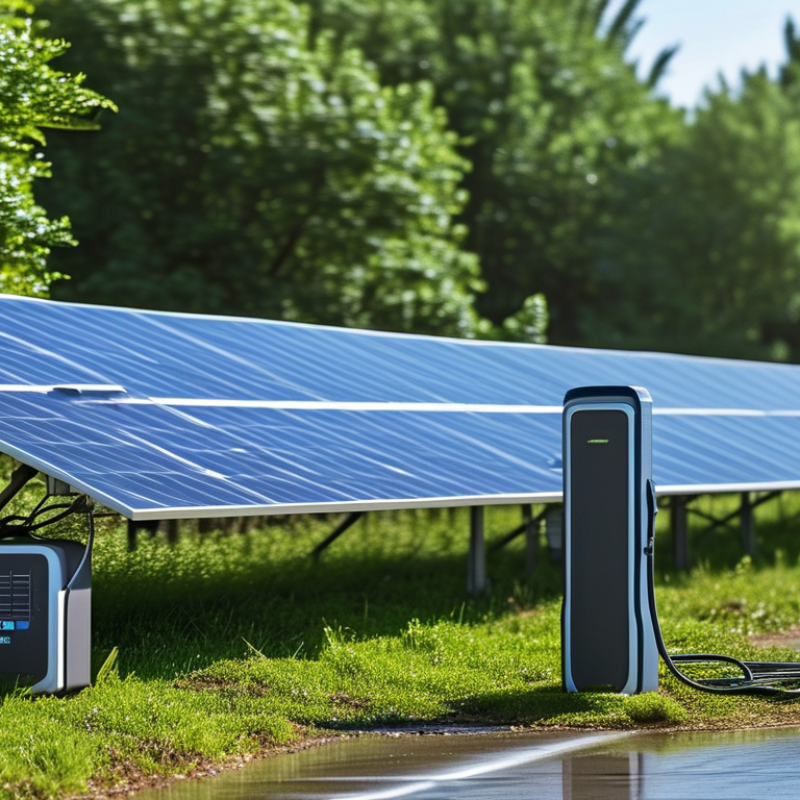
What Is Bidirectional Charging With Solar and How It Works?

What Bidirectional Solar Charging Means

What Bidirectional Solar Charging Means

Bidirectional solar charging allows electricity to move in two directions. Solar panels can charge an electric vehicle during daylight. Later, the vehicle can send stored energy back to a home or selected appliances. This process uses a bidirectional charger, an inverter, and a control system. Each part must communicate correctly. Otherwise, energy may flow at the wrong time.

In practical use, solar power first supplies household demand. Extra electricity can charge the vehicle battery. At night, the battery may support lights, refrigeration, or a heating system. A control unit monitors battery level, solar output, and household consumption. It can also limit discharge to protect the battery. Small details matter here. Cable ratings, grounding, ventilation, and installation quality affect safe operation.

The financial value depends on local electricity rates and daily driving habits. A vehicle that leaves home all day cannot provide much backup power. Frequent cycling may also influence battery aging, although the actual effect depends on battery design and operating conditions. My view is that bidirectional charging is useful, but not automatically efficient for every household. Weather changes quickly. Solar production can fall before the battery is ready. Users should check compatibility, backup limits, and installer qualifications before relying on the vehicle during an outage. The technology is promising. It still requires careful planning.

The Main Components in a Bidirectional Solar Charging System

What Is Bidirectional Charging With Solar and How It Works?

The Main Components in a Bidirectional Solar Charging System

A bidirectional solar charging system begins with photovoltaic panels on a roof or nearby structure. The panels produce direct current, while homes and public grids usually require alternating current. A bidirectional inverter manages this conversion in both directions. It sends solar energy to household loads, batteries, or an electric vehicle. It can also return stored energy to the building or grid.

The battery pack provides the flexible energy buffer. Its battery management system monitors voltage, temperature, and state of charge. Safety depends on accurate readings. A small error can reduce battery life or interrupt charging. An electric vehicle supply device controls the connection between the vehicle and the building. Smart meters measure imports, exports, and solar production. An energy management controller then schedules charging during sunny hours and discharging during expensive periods.

Protection equipment matters too. Disconnects, fuses, grounding, and grid-isolation controls help manage faults and outages. Communication protocols support controlled power exchange. IEEE 1547 and ISO 15118 are widely referenced in system design, depending on the application and region. The IEA’s Renewables 2024 report states that global energy storage capacity must expand sixfold by 2030 to support renewable growth. The IEA PVPS Trends 2024 report also recorded hundreds of gigawatts of new solar capacity in 2023. More solar creates more value for flexible storage, but not every installation needs vehicle-to-grid operation. Real-world results still depend on tariffs, weather, battery size, and local interconnection rules.

What Is Bidirectional Charging With Solar and How It Works?

The chart shows a representative 24-hour energy flow in a bidirectional solar charging system. Solar panels generate electricity during daylight, while the bidirectional inverter controls energy moving between the solar array, battery or electric vehicle, home loads, and the grid.

During midday, solar energy can supply household loads and charge the battery or vehicle. In the evening, stored energy can flow back through the bidirectional inverter to support the home, reduce grid imports, or provide backup power. The values are realistic representative operating figures for a residential system and are shown in kilowatt-hours.

How Solar Energy Moves Between Panels, Batteries, and Vehicles

What Is Bidirectional Charging With Solar and How It Works?

Solar panels produce direct-current electricity when sunlight reaches their cells. An inverter converts it into alternating current for household appliances. With bidirectional charging, electricity can also travel back from a vehicle battery to the home or grid.

A typical system follows a simple path. Solar power serves immediate loads first. Extra energy charges a stationary battery or an electric vehicle. Later, a controlled charger sends stored electricity back to the home during evening demand. The vehicle battery becomes a flexible energy reservoir, but only when the vehicle is connected and available.

Energy losses are unavoidable. Conversion, wiring, and battery heating can reduce delivered power by roughly 10–20%, depending on system design. The International Energy Agency reported more than 14 million electric cars were sold globally in 2023, expanding the potential for mobile storage.

However, battery ageing, charging limits, and local grid rules still require careful planning. The idea is promising, not perfect.

Tips: Check the charger’s power rating, inverter compatibility, and backup settings. Ask for measured round-trip efficiency, not only advertised capacity. The U.S. National Renewable Energy Laboratory notes that managed charging can reduce grid stress, but results depend on timing and user behaviour. Keep essential circuits separate during outages. A vehicle may leave unexpectedly. That practical detail is easy to overlook. IRENA’s Renewable Power Generation Costs report also shows falling battery costs, yet installation and replacement costs remain significant. Get real site data before sizing the system.

How Bidirectional Charging Operates Step by Step

Bidirectional charging lets solar power move in two directions: into an electric vehicle and back out again. The process begins when rooftop panels produce direct-current electricity. A solar inverter converts it into alternating current for household use. If production exceeds demand, a compatible charger sends surplus energy into the vehicle’s battery. The battery stores that energy for later use.

The operation becomes more interesting after sunset. A home energy controller checks electricity demand, battery temperature, charge level, and grid conditions. When the vehicle has enough energy, the charger changes battery power into usable household electricity. The controller then feeds it through the home’s electrical panel. Power may run lights, refrigeration, or small appliances. If the battery level falls too low, charging stops automatically. It sounds simple. It is not always smooth.

A reliable system needs compatible hardware, accurate metering, and professionally installed protection equipment. Charging limits also depend on battery chemistry and local electrical rules. A practical mistake is assuming every electric vehicle can power a home. Many cannot. Even suitable systems may lose energy during conversion, especially during repeated transfers.

Tips: Set a minimum battery reserve before using vehicle-to-home power. Keep essential loads separate from optional appliances. Review the charger’s safety documentation and test backup operation during daylight. Watch battery temperature, because heat can reduce charging performance. Most importantly, confirm the system’s settings with a qualified electrician. Small configuration errors can interrupt power or stress equipment.

Key Benefits and Practical Limitations of the Technology

Bidirectional charging lets a vehicle exchange electricity with a home, solar system, or utility grid. During sunny hours, surplus photovoltaic power can charge the vehicle instead of being exported. Later, the battery can supply household loads through vehicle-to-home operation. With suitable controls, it may also provide vehicle-to-grid services. The International Energy Agency reported more than 14 million electric cars were sold globally in 2023, creating a substantial flexible energy resource.

The benefits are practical. A household can use stored solar power after sunset, reduce peak-time purchases, and maintain limited backup power during an outage. Grid operators may gain fast balancing capacity, especially when solar output changes quickly. The U.S. Department of Energy identifies managed charging and bidirectional operation as important tools for integrating growing electric-vehicle demand. Still, the savings are not automatic. Tariffs, export rules, installation costs, and local interconnection procedures strongly affect the result.

Compatibility remains a serious limitation. The vehicle, charger, inverter, solar controller, and home electrical panel must communicate correctly. Some systems require extra switching equipment for safe islanding during outages. Frequent cycling could also increase battery wear, although the real impact depends on temperature, charging depth, and control settings. NREL research on vehicle-grid integration repeatedly highlights communication standards and customer incentives as unresolved barriers. The hardware may work. The business case may not. A careful site assessment should compare expected energy savings against equipment costs, warranty conditions, and the driver’s mobility needs. In practice, perfect solar self-consumption is unlikely. Weather remains unpredictable.

FAQS

: What is bidirectional solar charging?

: It allows electricity to move between solar panels, a vehicle battery, and a home. Power can travel both ways.

How does solar energy reach the vehicle battery?

Solar panels produce direct current. An inverter changes it to alternating current for household use. Surplus electricity then enters a compatible charger and vehicle battery.

Can a vehicle power a home at night?

Yes, if the vehicle, charger, inverter, and electrical panel support vehicle-to-home operation. The system sends stored power through the home panel after sunset.

What household devices can use this backup power?

Essential circuits may run lights, refrigeration, internet equipment, and small appliances. Large heating or cooling systems may exceed the available power.

How much energy is lost during charging and discharging?

Conversion, wiring, and battery heating can reduce delivered energy by roughly 10–20%. Advertised capacity is not the same as usable household power.

What settings help protect the vehicle battery?

Set a minimum battery reserve before supplying the home. A 30% reserve, for example, may preserve driving flexibility. Actual settings depend on the vehicle.

Can every electric vehicle provide home backup?

No. Many vehicles support charging only, not exporting electricity. Confirm bidirectional capability before buying equipment. This detail is easy to miss.

What happens during a power outage?

Special switching equipment may disconnect the home from the wider grid. Only selected circuits may continue operating. Test the setup before an outage.

Does bidirectional charging always save money?

No. Savings depend on electricity rates, installation costs, export rules, and solar production. The hardware may work, but the financial case may disappoint.

Can frequent energy transfers damage the battery?

Repeated cycling may increase battery wear, especially with high temperatures or deep discharges. The exact impact remains uncertain. Weather also changes the results.

Conclusion

Bidirectional solar charging is a system that allows electricity to flow in both directions between solar panels, a battery, and an electric vehicle. To understand what is bidirectional charging and how does it work with solar, imagine solar power being generated during the day, converted by an inverter, and stored in a home battery or vehicle battery. When energy is needed, the system can send electricity back to the home or another approved load instead of only charging the vehicle.

The process usually involves solar panels, a solar inverter, a bidirectional charger, energy storage, monitoring controls, and compatible electrical equipment. Solar energy first supplies immediate household demand, then charges the battery or vehicle when excess power is available. Later, stored energy can support the home or reduce reliance on the grid, depending on system settings and safety requirements. Key benefits include better use of renewable energy, lower energy costs, backup support, and improved flexibility. However, installation costs, battery degradation, limited charging capacity, compatibility, and local electrical rules may affect practical performance.

Oliver

Oliver

Oliver is a seasoned marketing professional with a wealth of expertise in driving brand awareness and engagement. With a deep understanding of our company's product offerings, he consistently delivers high-quality content that enriches our professional blog. His insights not only shed light on......