In the energy storage sector, questions often arise regarding the types of battery systems available. One key inquiry is, "what is the difference between high voltage and low voltage battery storage?" Industry expert Dr. Emily Chen, a leading figure in battery technology, emphasizes this point: “Understanding voltage levels is crucial for optimizing energy efficiency.”
High voltage systems are typically utilized in larger setups, such as grid energy storage. These systems can store more energy and deliver it faster. In contrast, low voltage solutions suit smaller applications, such as home energy systems. Their lower capacity often translates into a more manageable system for residential use.
As the market evolves, the choice between high and low voltage storage grows more complex. Factors like cost, efficiency, and intended use play significant roles. Many consumers hesitate, often unaware of how different voltage levels affect performance. Striking the right balance between these options can lead to better energy management and cost savings in the long run.
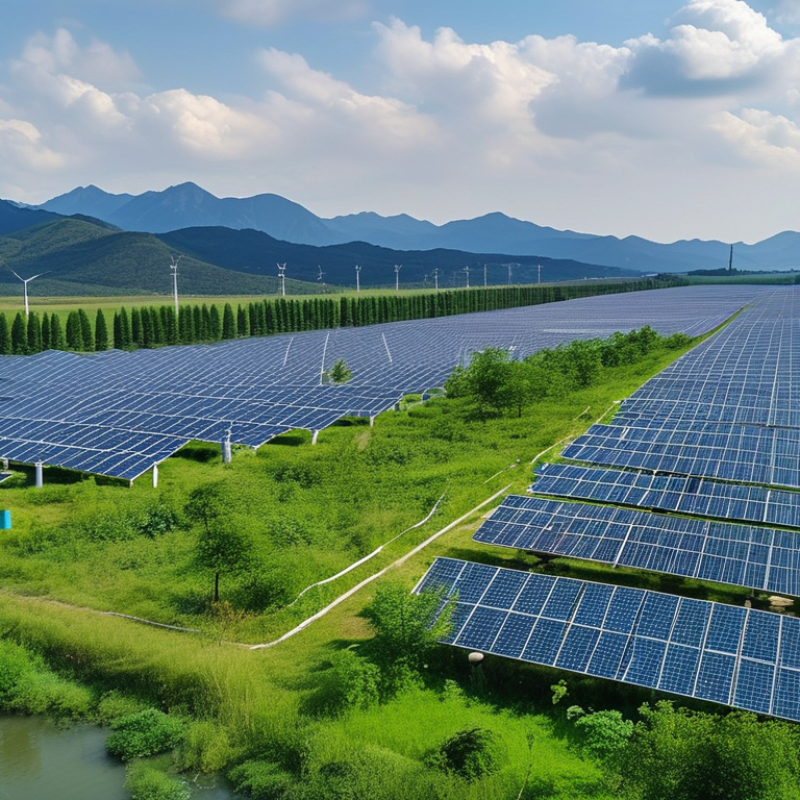
Differences in Voltage Levels: High Voltage vs Low Voltage Storage
High voltage and low voltage battery storage systems differ significantly in their applications and efficiency. High voltage systems typically operate at voltages above 1,000 volts and are favored for large-scale energy storage. They can transfer energy more efficiently, which is essential in industrial setups. This efficiency reduces energy losses over long distances.
Low voltage systems, on the other hand, operate under 1,000 volts. They are commonly used in residential applications and smaller projects. These systems are easier to install and maintain, making them more accessible for homeowners. However, they may require more extensive wiring and infrastructure for equivalent energy capacity compared to high voltage systems.
Tips: Consider your energy needs carefully. High voltage systems can be more efficient, but also more complex. Ensure your location and application suit the chosen system. Always consult with experts to evaluate if high or low voltage is best for you.
Performance Characteristics of High Voltage Battery Storage Systems
High voltage battery storage systems offer distinct performance characteristics that set them apart from low voltage options. One notable aspect is their ability to handle larger energy loads efficiently. This makes them ideal for applications requiring significant power output. However, the complexity of high voltage systems can introduce challenges. Managing these systems requires specialized knowledge.
Low voltage systems, on the other hand, tend to be simpler and more user-friendly. They are easier to install and maintain, making them suitable for residential applications. The safety measures for low voltage systems are often less stringent, which contributes to their appeal. Nevertheless, they may struggle with high energy demand and could require frequent battery replacements.
When considering battery storage, understanding the specific needs is crucial. High voltage systems excel in performance but may involve higher upfront costs. Conversely, low voltage systems are more accessible but may not meet all energy needs. Identifying the right storage solution requires careful evaluation of efficiency, safety, and long-term reliability.
Performance Characteristics of High Voltage vs Low Voltage Battery Storage Systems
Key Applications of Low Voltage Battery Storage in Renewable Energy
Low voltage battery storage plays a crucial role in the renewable energy sector. The applications of this technology are expanding rapidly. According to a report by the International Energy Agency (IEA), the use of battery storage systems is projected to grow by over 25% annually through 2025. This growth is driven by the increasing need for reliable energy solutions, especially in residential and commercial settings.
Integrating low voltage batteries with solar energy systems is a significant trend. Homeowners can store excess energy generated during the day for later use. This not only maximizes efficiency but also enhances energy independence. In fact, the Solar Energy Industries Association noted that more than 40% of new solar installations in the US now include battery storage. Low voltage systems offer scalability, making them ideal for various applications.
Despite the benefits, challenges remain. The initial costs can deter some users. Additionally, concerns about battery lifespan and degradation need addressing. Researchers are exploring advancements in materials and technology. Ensuring a balance between cost efficiency and performance is essential in this evolving landscape. Emphasizing these areas will help make low voltage battery systems more accessible.
Cost Analysis: High Voltage vs Low Voltage Battery Solutions
When analyzing battery storage solutions, it’s crucial to consider cost. High voltage systems tend to be pricier upfront than low voltage ones. For instance, a recent industry report indicates that high voltage systems can start at $400 per kWh, while low voltage options may begin around $250 per kWh. This initial cost difference significantly impacts project budgets.
However, ongoing expenses matter too. High voltage batteries often have higher efficiency rates, leading to lower energy losses during storage and use. This can lead to savings over the system's lifespan. A typical high voltage system might offer a cycle efficiency of 90% versus 80% for low voltage systems. Over several years, these efficiencies can offer substantial cost benefits.
Installation and maintenance also play a role. Low voltage systems are generally simpler to install. This can create lower installation costs. Yet, high voltage systems often require less frequent maintenance due to advanced technology. It’s a complex equation that varies by project specifics. Stakeholders must weigh initial costs against long-term savings and operational efficiency.
China Best High Voltage vs Low Voltage Battery Storage Differences
| Parameter |
High Voltage Battery |
Low Voltage Battery |
| Cost Per kWh |
$400 - $800 |
$250 - $600 |
| Typical Voltage Range |
400V - 800V |
12V - 48V |
| Energy Density (Wh/kg) |
150 - 250 |
80 - 150 |
| Life Cycle (Cycles) |
4000 - 7000 |
2000 - 5000 |
| Efficiency (%) |
90 - 95 |
85 - 90 |
| Installation Costs |
Higher due to complexity |
Lower, simpler installation |
| Best Use Case |
Commercial, Industrial |
Residential, Small Scale |
Safety Considerations for High Voltage and Low Voltage Battery Systems
High voltage and low voltage battery systems differ significantly in
safety considerations.
High voltage systems typically involve voltages above 1000V,
which can pose a higher risk of electric shock. A report by the International Electrotechnical Commission
mentions that electric shocks at high voltages can lead to severe injuries or be fatal. Conversely,
low voltage systems operate typically between 48V and 240V,
offering improved safety profiles.
Lower voltage reduces the risk of severe electrical shock,
making it a better choice for residential applications.
Another concern is thermal regulation.
High voltage batteries generate more heat during operation.
The risk of thermal runaway increases, especially if a fault occurs.
The Battery Safety Standard established by Underwriters Laboratories emphasizes the importance of
proper thermal management
in high voltage systems. In contrast, low voltage batteries generally have lower thermal management requirements,
reducing the chances of overheating.
Tip: Regular maintenance is crucial.
Check connections and cooling systems, especially for high voltage setups.
Tip: Always follow safety standards.
Training staff in handling both systems is essential for minimizing risks.
FAQS
: High voltage systems operate above 1,000 volts and are more efficient for large-scale storage.
Low voltage systems, under 1,000 volts, are primarily used in residential applications and small projects.
High voltage systems handle larger energy loads efficiently and reduce energy losses over long distances.
Low voltage systems tend to be simpler to install and require less specialized knowledge for maintenance.
Their complexity requires specialized knowledge to manage, making them harder for some users to handle.
Integrating low voltage batteries with solar energy allows homeowners to store excess energy for later use.
They may struggle with high energy demands and require more frequent battery replacements over time.
High initial costs can deter potential users from investing in low voltage battery storage solutions.
Researchers are exploring advancements in materials to improve battery lifespan and mitigate degradation issues.
Identifying specific energy requirements helps ensure the chosen system meets performance and efficiency expectations.
Conclusion
The article "China Best High Voltage vs Low Voltage Battery Storage Differences?" explores the fundamental distinctions between high voltage and low voltage battery storage systems. It delves into the differences in voltage levels, highlighting that high voltage systems can store and deliver power more effectively over longer distances, making them ideal for large-scale energy applications. In contrast, low voltage battery storage is often employed in localized renewable energy projects, providing essential backup power and enhancing energy efficiency.
Additionally, the performance characteristics of high voltage systems are analyzed, showcasing their superior efficiency and ability to handle higher energy loads. The article also examines the cost implications of both systems, revealing that while high voltage solutions may entail a higher initial investment, their long-term benefits can outweigh the costs. Safety considerations for both battery types are discussed, emphasizing the importance of proper installation and maintenance. Ultimately, readers are left with a clear understanding of what is the difference between high voltage and low voltage battery storage, allowing them to make informed decisions based on their specific energy needs.

 Hudd Energy