As RV enthusiasts gear up for adventures in 2026, understanding how to calculate solar panel and battery size for RV is crucial. According to solar energy expert Dr. Emily Green, "The right solar setup can transform the RV experience, offering freedom and flexibility." This insight underscores the importance of accurate calculations to meet energy needs.
Calculating the appropriate solar panel and battery size involves assessing individual power consumption. Consider the appliances you'll use and their wattage. For instance, a standard fridge may require up to 100 watts, while lights can use another 50 watts. Keeping track helps prevent unexpected power shortages.
Moreover, many RVers overlook factors like weather conditions or seasonal changes. Solar panels may receive less sunlight during winter. Reflecting on these variables can lead to more informed decisions. Investing time in precise measurements and adjustments ensures a reliable solar energy system tailored to your RV lifestyle.
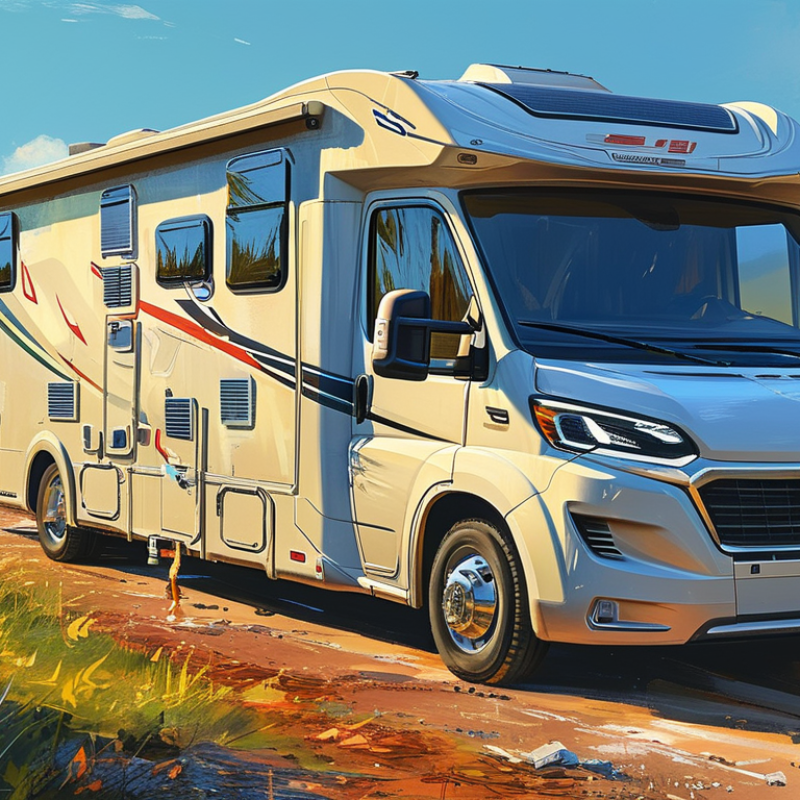
Calculating the solar panel and battery size for your RV in 2026 involves understanding your energy needs. Start by determining the amount of energy you consume daily. List all appliances and devices you plan to use, alongside their wattage. This list should include lights, refrigerator, and electronics. Calculate the total watt-hours required per day. Remember, it's easy to underestimate your needs; many RVers overlook minor devices that draw power.
For solar panels, consider the average sunlight hours in your travel areas. If you expect five hours of sunlight, divide your daily watt-hour needs by this number. This gives you the wattage necessary for your solar panel system. Don’t forget to plan for cloudy days or unforeseen circumstances. It might be wise to add a buffer to your calculations.
When sizing your battery, think about the total watt-hours you need to store for those periods without sunlight. Multiply your daily watt-hours by the number of days you want backup power. Choose a depth of discharge that matches your battery type. Be cautious; drawing too deeply can shorten battery life. Planning for maintenance and replacement intervals will enhance your solar setup's reliability.
To determine the solar panel output for RVs in 2026, several key factors must be considered. Understanding the total energy consumption of your RV is essential. Calculate your daily power needs by adding up the wattage of all appliances. This total helps define the size of the solar panel system. For example, if your daily requirement is around 600 watt-hours, you might need a panel that produces 100-200 watts, depending on sunlight availability.
The climate and geography of your travel locations also influence output. Areas with more sunlight will increase efficiency. Calculate the peak sun hours in those regions. This calculation allows you to determine how much power your solar panels can generate daily. If you plan to camp in shaded forests, you might not achieve optimal output.
When sizing your battery, take into account your energy autonomy needs. You should consider how many days you want to run power without recharge. Each battery type has a different discharge rate. Make sure to choose a battery that can handle your daily consumption.
Consider these aspects when calculating your solar system. Conduct regular performance assessments to adapt your setup as needed. Experiment with panel angles and battery sizes to maximize efficiency.
| Parameter | Value | Unit | Notes |
|---|---|---|---|
| Daily Energy Consumption | 300 | Wh | Estimated from appliances usage |
| Solar Panel Efficiency | 20 | % | Typical for modern panels |
| Sunlight Hours Per Day | 5 | hours | Average in summer |
| Required Solar Panel Output | 60 | W | To cover daily consumption |
| Battery Capacity Needed | 300 | Wh | Reserve for cloudy days |
| Battery Discharge Depth | 50 | % | Max recommended for longevity |
| Total Battery Size | 600 | Wh | Based on discharge depth |
When planning for RV adventures in 2026, understanding battery capacity sizing is crucial. The general guideline for RV battery capacity is to assess your power needs in amp-hours (Ah). This typically includes calculations for devices like lights, inverters, and refrigerators. According to the Solar Energy Industries Association, a standard RV may require about 100-200 Ah per day, depending on the number of devices in use.
A simple way to determine your needs is by tallying the daily energy consumption of all devices. For instance, if you plan to power a 12V refrigerator drawing 6 amps for 10 hours, that’s 60 Ah just for one device. Considering the variability of sunny days and usage patterns, it’s wise to add a buffer of at least 20%.
Batteries should be chosen wisely. Deep cycle batteries are a common choice due to their ability to discharge fully without damage. Lithium-ion batteries, although pricier, often offer better longevity and efficiency. Expect around 2,000 cycles for lithium compared to 500-800 for lead-acid types. This highlights the need for thorough research and possibly professional recommendations to ensure you don't end up with inadequate battery life during your trips.
When selecting a solar charge controller for RV applications in 2026, understanding the specific energy needs is essential. A quality solar charge controller is vital to manage the power coming from solar panels to batteries. These controllers prevent battery overcharging and ensure optimal energy storage.
Professionals recommend using a Maximum Power Point Tracking (MPPT) charge controller for its efficiency. Data indicates that MPPT controllers can increase energy harvest by up to 30% compared to PWM (Pulse Width Modulation) controllers. This is crucial for RV owners who rely on limited roof space for panel installation. Choosing the right controller based on solar panel output and battery capacity can vastly improve the RV's energy efficiency.
However, not all installations are straightforward. Many RV owners face challenges when integrating new technology with existing systems. Misjudgment in sizing the controller can lead to inefficiencies. For example, if the controller's rating is too low, it may not handle peak sunlight hours effectively. This can lead to wasted energy and potentially shorter battery life. Each RV scenario is unique, so careful consideration of your specific setup is necessary for optimal results.
The RV industry is rapidly evolving, especially in solar technology. Innovations are making solar panels more efficient and lightweight. By 2026, we expect to see flexible solar panels that easily conform to various RV shapes. These panels will harness more sunlight, even on cloudy days. Battery technologies are also advancing. Solid-state batteries promise longer life and faster charging times. These advancements mean RVers can enjoy extended off-grid adventures.
There is a trend toward integrated systems. Future RVs may come with built-in solar solutions and smart battery management systems. These systems will optimize energy use automatically. However, the initial costs might remain high. Not everyone might afford these upgrades. Balancing cost and benefits is crucial for many RV owners.
As newer technologies emerge, consumers must stay informed. Understanding energy needs will be vital. Owners might need to reassess their usage patterns. Accurate calculations for solar panel and battery size are essential. Choosing the right components can still be challenging. With a rapidly changing landscape, adaptability will be key for all RV enthusiasts.
: List all appliances and devices with their wattage. Calculate total watt-hours consumed daily.
Consider the average sunlight hours where you travel. Divide daily watt-hours by sunlight hours for required wattage.
Assess total watt-hours needed and multiply it by the number of days for backup power required.
Choose a depth that matches your battery type. Over-discharging can shorten the battery's lifespan significantly.
It manages power from panels to batteries, preventing overcharging and ensuring optimal energy storage.
Consider a Maximum Power Point Tracking (MPPT) controller for increased efficiency, improving energy harvest significantly.
Carefully assess your current system before integration. Misjudgment in sizing can lead to inefficiencies and wasted energy.
Many users underestimate their needs by overlooking minor devices that consume power continually.
Plan for maintenance and consider using batteries that withstand deeper discharges. Research is essential.
Lithium batteries can last around 2,000 cycles, while lead-acid types offer only 500-800 cycles, highlighting the trade-offs.
In the pursuit of understanding how to calculate solar panel and battery size for RVs in 2026, it is essential first to assess the energy needs of your RV. This involves evaluating appliances and devices to determine their power consumption over time. Once you have a clear picture of your energy requirements, you can move on to calculating the solar panel output, taking into account factors such as location, sunlight availability, and panel efficiency.
Battery capacity sizing also plays a crucial role, requiring a calculation of amp-hour (Ah) needs based on your energy consumption and desired autonomy. Additionally, selecting the right solar charge controller is vital to optimize energy management and enhance system efficiency. Keeping an eye on future trends in solar technology and battery innovations will ensure your RV setup is not only effective but also aligned with the latest advancements for optimal performance.

Hudd Energy