Lightning can damage outdoor solar charging stations within seconds. A nearby strike may send surges through panels, charge controllers, batteries, cables, or connected devices. Even clear weather can be misleading. Storm energy can travel through soil and wiring before rain reaches the site.
This guide explains how to protect outdoor solar charging stations from lightning using practical, layered methods. It covers site selection, grounding, bonding, surge protective devices, cable routing, and safe shutdown procedures. Each measure reduces risk, but none offers absolute protection. No protection plan is perfect.
Real-world experience shows that small installation details often matter. A long exposed cable can act like an antenna. An unbonded metal frame can create dangerous voltage differences. Water, dust, corrosion, and loose terminals can weaken protection over time. Regular inspections should check grounding connections, enclosure seals, cable insulation, and visible surge-device indicators.
Technical guidance should come from solar equipment manufacturers, qualified electricians, and recognized electrical standards. Never improvise grounding with random metal objects or buried scrap wire. Disconnecting equipment during severe storms may help, but only when the system allows safe isolation. Working outdoors during lightning is not safe.
The best approach combines prevention, inspection, and professional verification. It also accepts uncertainty. A system may appear secure while hiding corrosion beneath a terminal. Careful planning remains essential. With the right design and maintenance, solar charging equipment can better withstand lightning-related surges and continue serving users safely.
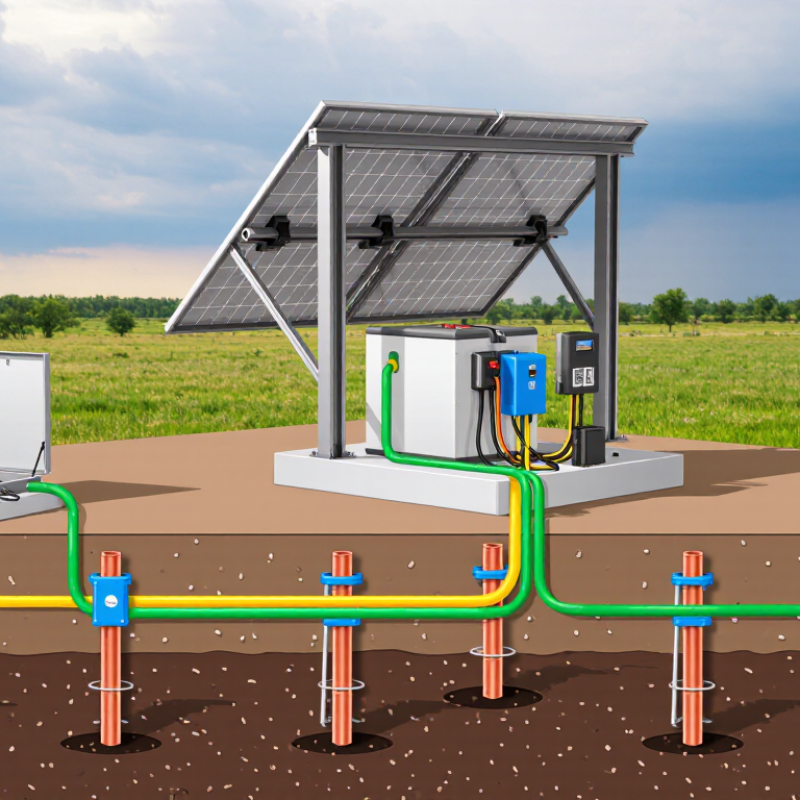
Understanding Lightning Risks for Solar Chargers
Solar chargers face two different lightning hazards: a direct strike and a nearby strike that induces a voltage surge. Direct strikes can crack a panel, melt connectors, or start a fire. More often, a nearby flash sends a surge through long leads, damaging a charge controller or connected battery. The US National Weather Service estimates about 25 million cloud-to-ground lightning flashes occur across the country each year. That figure is a national estimate, not a prediction for any particular campsite or rooftop. Still, it shows why exposed equipment deserves attention.
Risk rises when panels sit on high, isolated structures or remain connected by long outdoor cables during storms. A small folding charger is not immune; its leads can conduct surges into a phone or power station. Keep equipment away from ridgelines and isolated trees, and follow the charger and battery makers’ instructions for disconnecting or storing it. For fixed systems, use qualified electrical guidance on grounding and surge protection. IEC 62305 provides an international framework for lightning protection, but no protective measure guarantees safety from a direct strike. One detail is easy to miss: unplugging a cable while lightning is close may itself be unsafe. Seek shelter first, then inspect equipment for scorching, cracked insulation, or unusual heat before reuse.
| Risk or Exposure | How It Can Affect a Solar Charger | Relative Risk | Practical Protection |
|---|---|---|---|
| Direct lightning strike | A strike to a panel, support structure, or nearby wiring can cause severe damage, fire, or electric shock. | Very high | Do not use or handle outdoor equipment during a thunderstorm. Follow local electrical and lightning-protection codes for permanent installations; no consumer device can make an exposed system safe during a direct strike. |
| Nearby strike and induced surge | A nearby discharge can induce a voltage surge in long cables, potentially damaging the charger, controller, battery, or connected electronics. | High | Keep panel leads as short as practical, route paired conductors together, and use appropriately rated surge-protection devices installed according to their instructions. |
| Panel connected during a storm | A cable connected to an outdoor panel can provide a path for transient surges to reach the charger or devices. | Moderate to high | Before a storm arrives, disconnect portable panels from the charger and move the equipment indoors when it is safe to do so. Never unplug or handle exposed cables during active lightning. |
| Exposed or damaged connectors | Moisture, corrosion, or damaged insulation can increase the chance of electrical faults and make surge damage more likely. | Moderate | Inspect cables and connectors regularly. Replace damaged parts, keep connections dry, and use only compatible, weather-rated components. |
| Long cable runs | Long outdoor conductors can collect more electromagnetic energy from nearby lightning activity. | Moderate | Place the charger close to the panel where practical, avoid unnecessary cable length, and follow the equipment maker’s limits for cable size and routing. |
| Improper grounding or bonding | Incorrect installation can create hazardous voltage differences or provide an unintended current path. | High | For fixed systems, have grounding, bonding, and surge protection designed and checked by a qualified electrician. Do not improvise connections to plumbing, utility grounds, or lightning conductors. |
| Indoor storage of portable equipment | Moving a portable panel, charger, and battery indoors reduces their exposure to outdoor lightning and weather. | Low when stored indoors | Store portable equipment in a dry indoor location before storms. Follow battery charging and storage instructions, and keep batteries away from heat and moisture. |
| Thunderstorm in the area | Lightning can strike several miles from the rain area, so clear skies directly overhead do not guarantee safety. | High during storms | Use local weather alerts and the “When Thunder Roars, Go Indoors” rule. Wait at least 30 minutes after the last thunder before resuming outdoor activity. |
A direct strike can crack panels, melt connectors, or start a fire. Nearby strikes can send surges through cables.
Yes. Its outdoor leads can carry a surge to a phone or power station. Small does not mean immune.
High, isolated spots are riskier. Avoid ridgelines and isolated trees when setting up panels.
Follow the equipment instructions, but do not approach or unplug it while lightning is close. Seek shelter first.
Wait until lightning has moved well away. From a dry, safe spot, look for cracked panels, loose cables, scorch marks, and standing water.
No. Avoid wet equipment and exposed wires. Even a small system may retain dangerous electrical energy.
Keep people away and contact a qualified solar technician. Do not restart the charger to test it.
Make sure it is dry, then follow its manual. Check fault codes and unusual readings; hidden damage may not be visible.
Protecting solar chargers from lightning begins with understanding how nearby strikes and power surges can damage panels, wiring, controllers, inverters, and batteries. Identify exposed or vulnerable components, then reduce risk with correctly installed grounding, bonding, and appropriately rated surge-protection devices. Keep connections secure and follow the equipment manufacturer’s instructions; when electrical work is needed, consult a qualified professional.
Protect panels and cables by positioning and fastening them securely, routing cables carefully, and checking battery connections for wear, moisture, or corrosion. After a storm, disconnect the system if it appears damaged, and avoid touching wet or exposed electrical components. Inspect the equipment safely before restoring power, and replace or repair damaged parts before use. These steps offer practical guidance on how to protect outdoor solar charging stations from lightning while helping maintain reliable operation over time.

 Hudd Energy